Various opinions
Various opinions
Under construction...
Romania is the country where I felt too much and learned to hide everything well, because it is easier to understand than to feel.
It is the place by which I measure my longing, my patience, and my courage. As for my character… I sent it to be tempered and shaped in other countries, hoping it would return better.
It is the country I am proud of, but also the one from which I expect the most. Because if you don’t have expectations for yourself, who will?
Romania is the country where you can see regions incredibly different in architecture and style, but not linguistically. Any Romanian, from any region, can understand another speaking in their own dialect, without resorting to standard literary Romanian—whether from Moldova, Bucovina, Basarabia, Maramureș, Transylvania, Muntenia, Oltenia, Banat, Crișana, or Dobrogea.
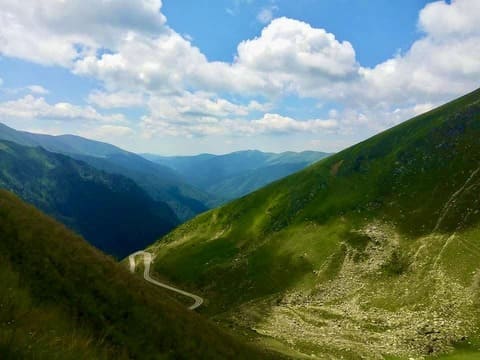
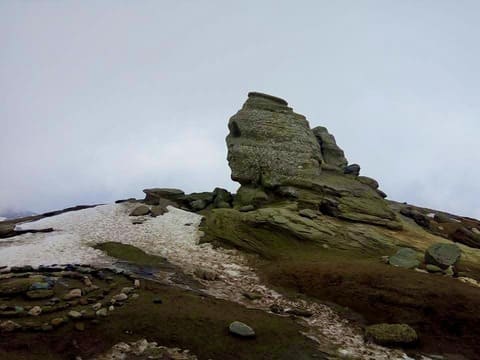
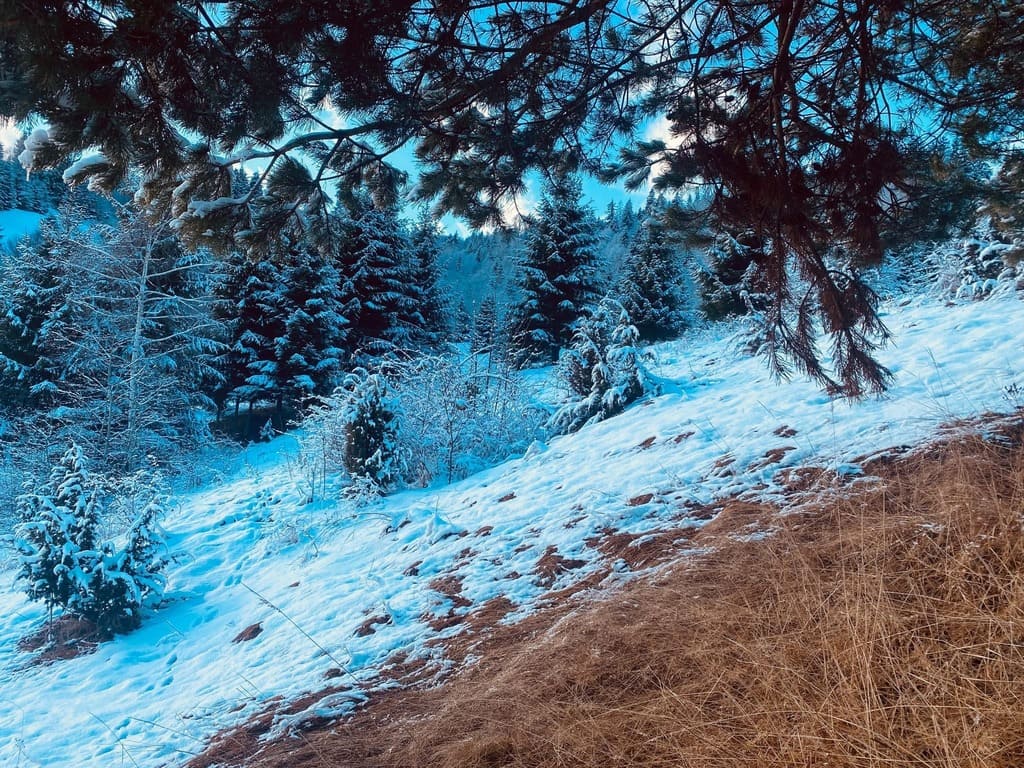
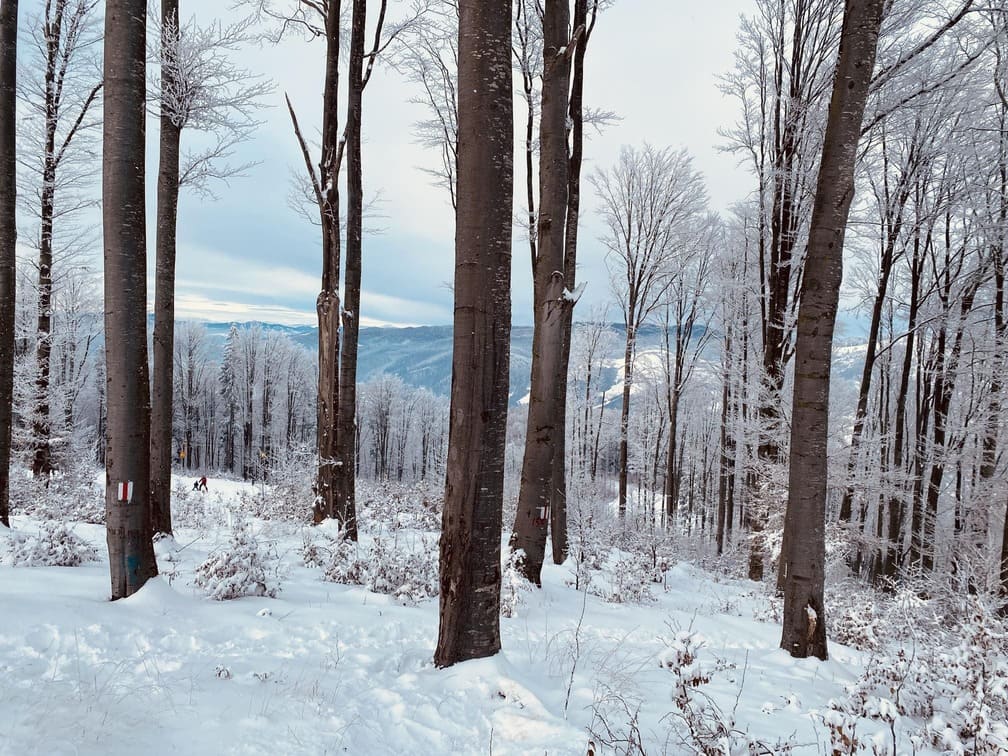
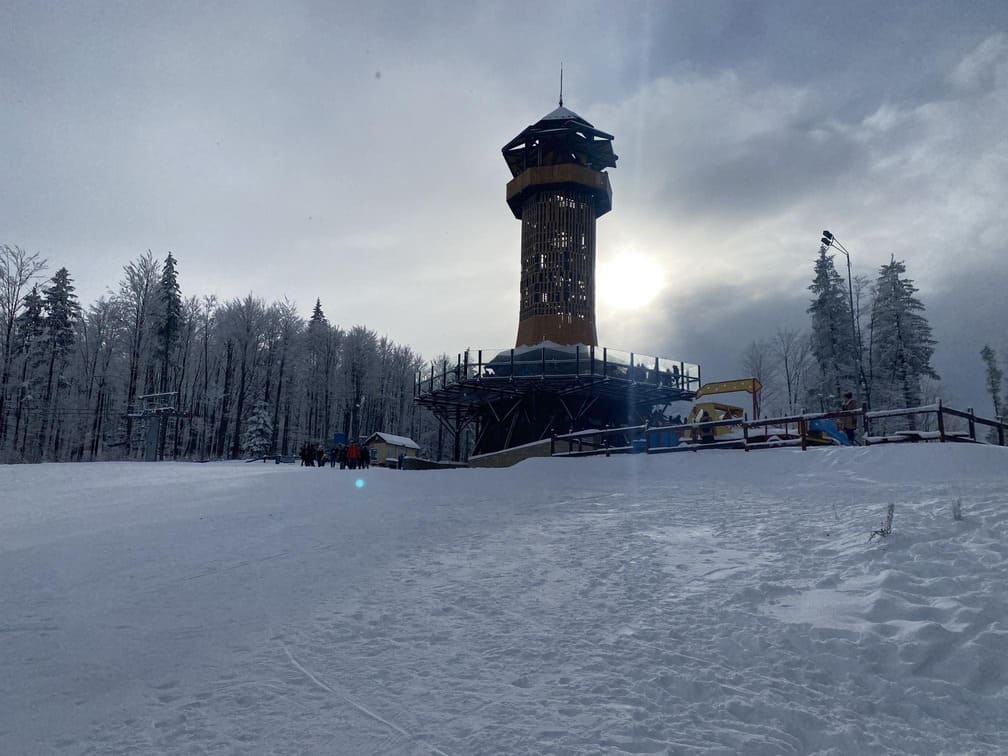
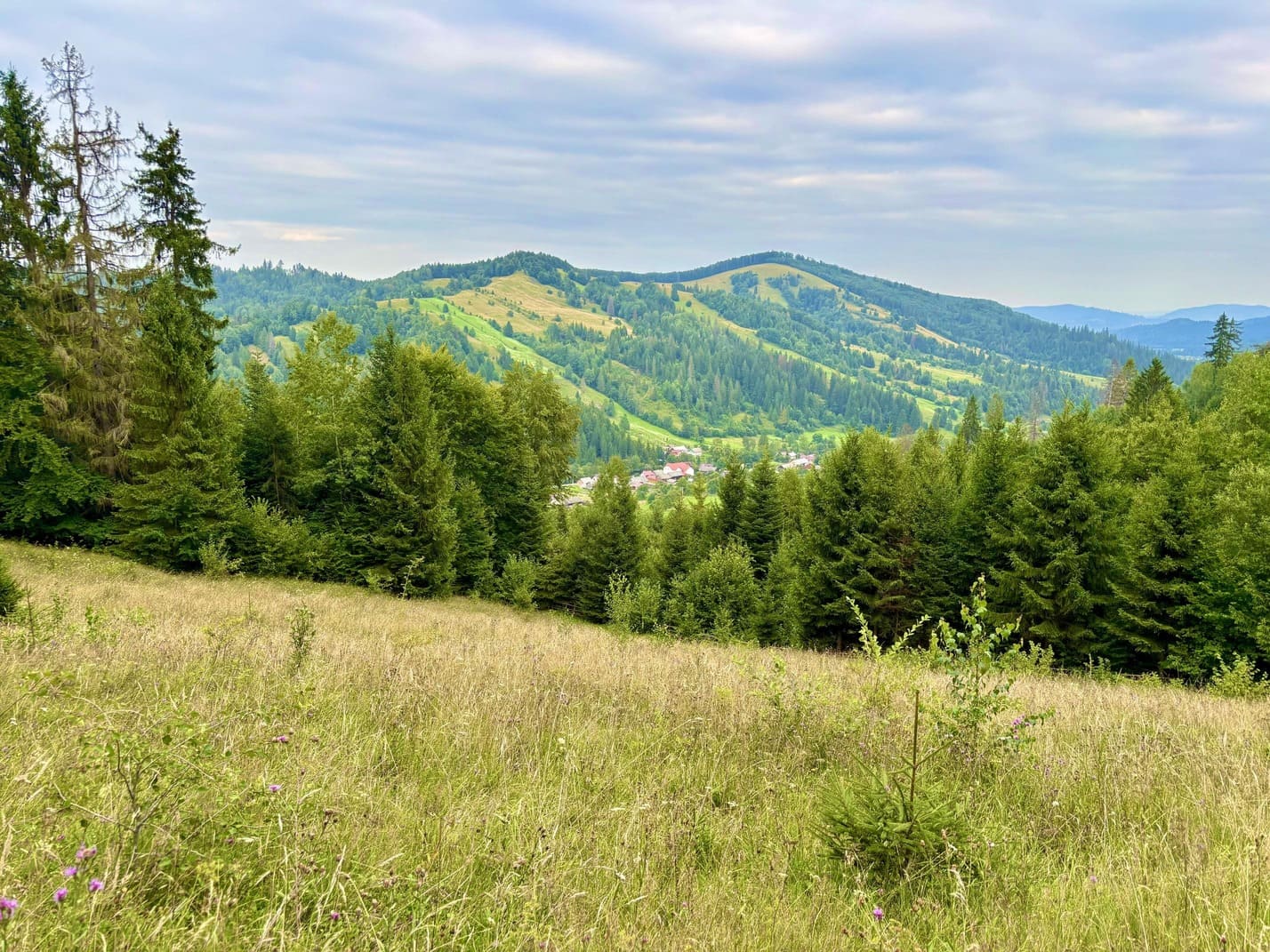
Above, the Carpathian Mountains arch over the entire country, reaching everyone like a natural bridge, with trails, caves, spa resorts, ski resorts, tourist destinations, and views that stay with you forever.
Below, the Black Sea—with its beaches, waters, resorts, and vast resources—calls you every summer. Ovidius Island, named after the exiled Roman poet, the Constanța Casino, recently renovated, the elite resorts of Olimp and Neptun, former summer residences of the Ceaușescu family, all add a note of melancholy.
To the east, the Danube Delta, with a biosphere unique in Europe, is something you can see and experience only here.
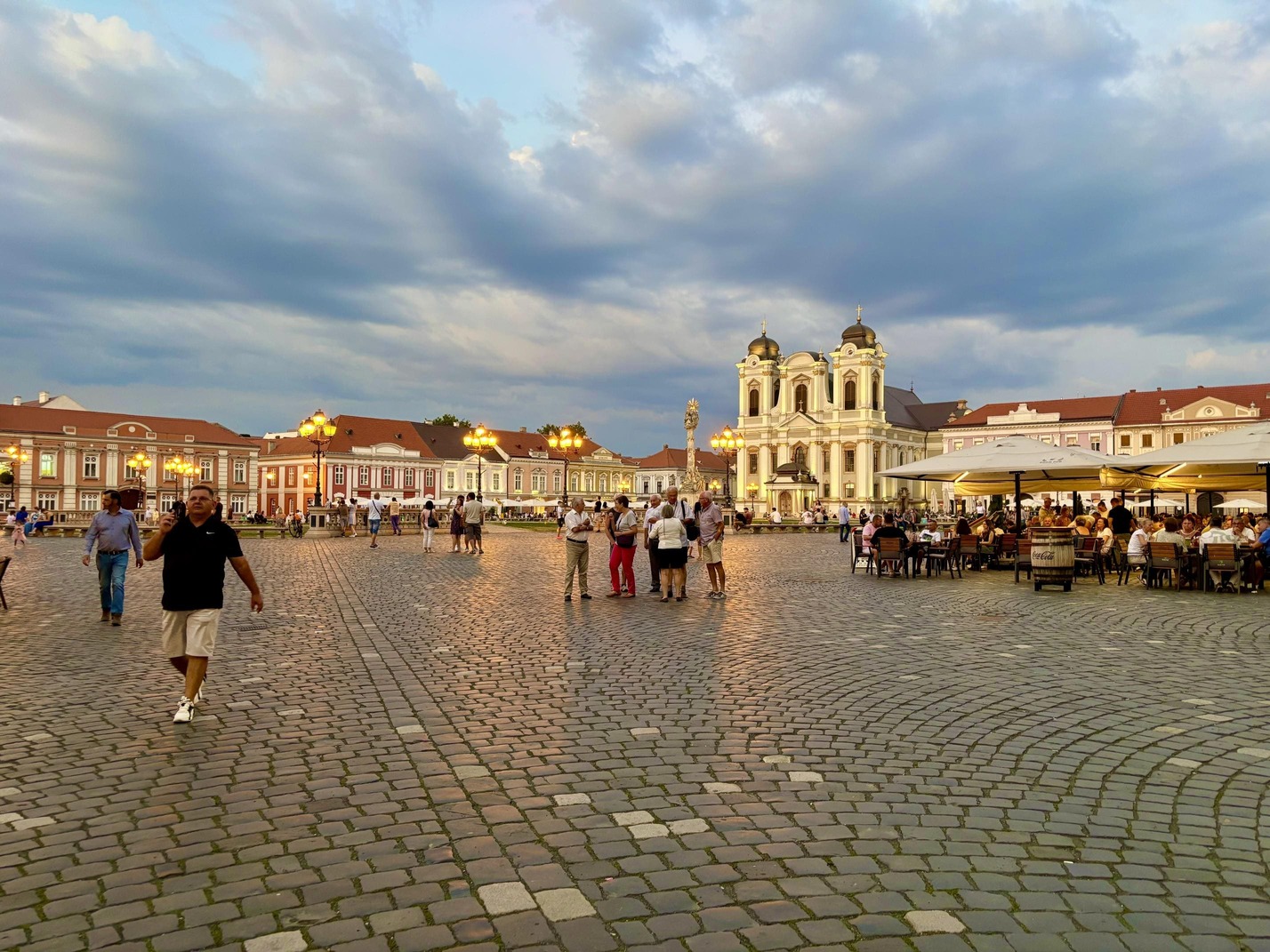
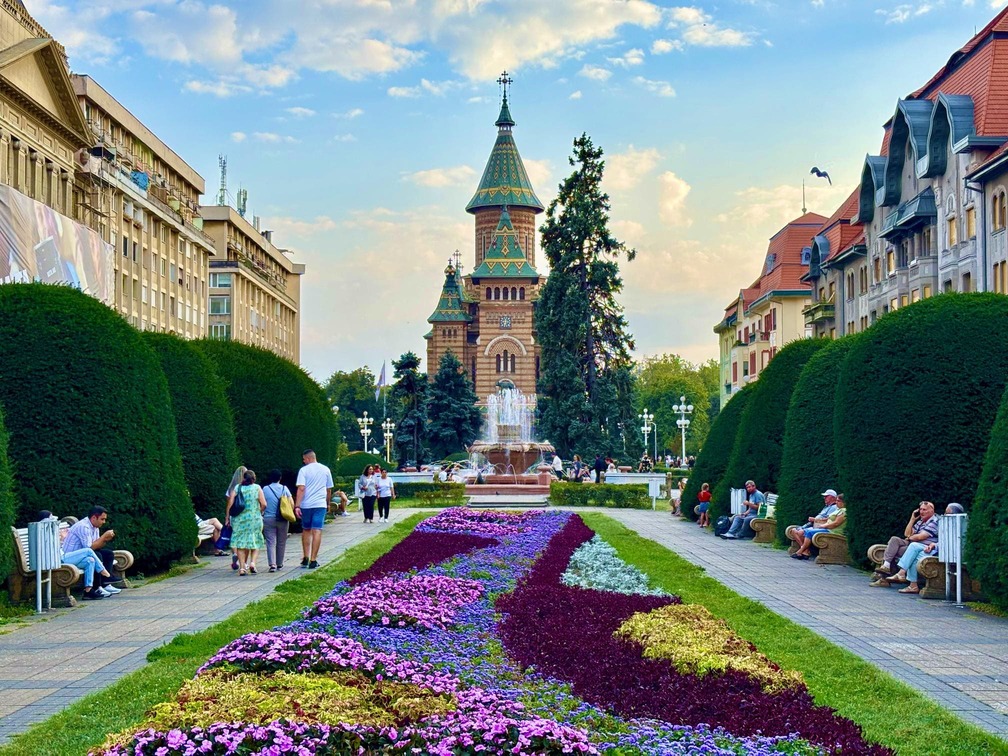
In the west, Timișoara—martyr city and the place where the 1989 Revolution began—keeps alive the consciousness of a free state.
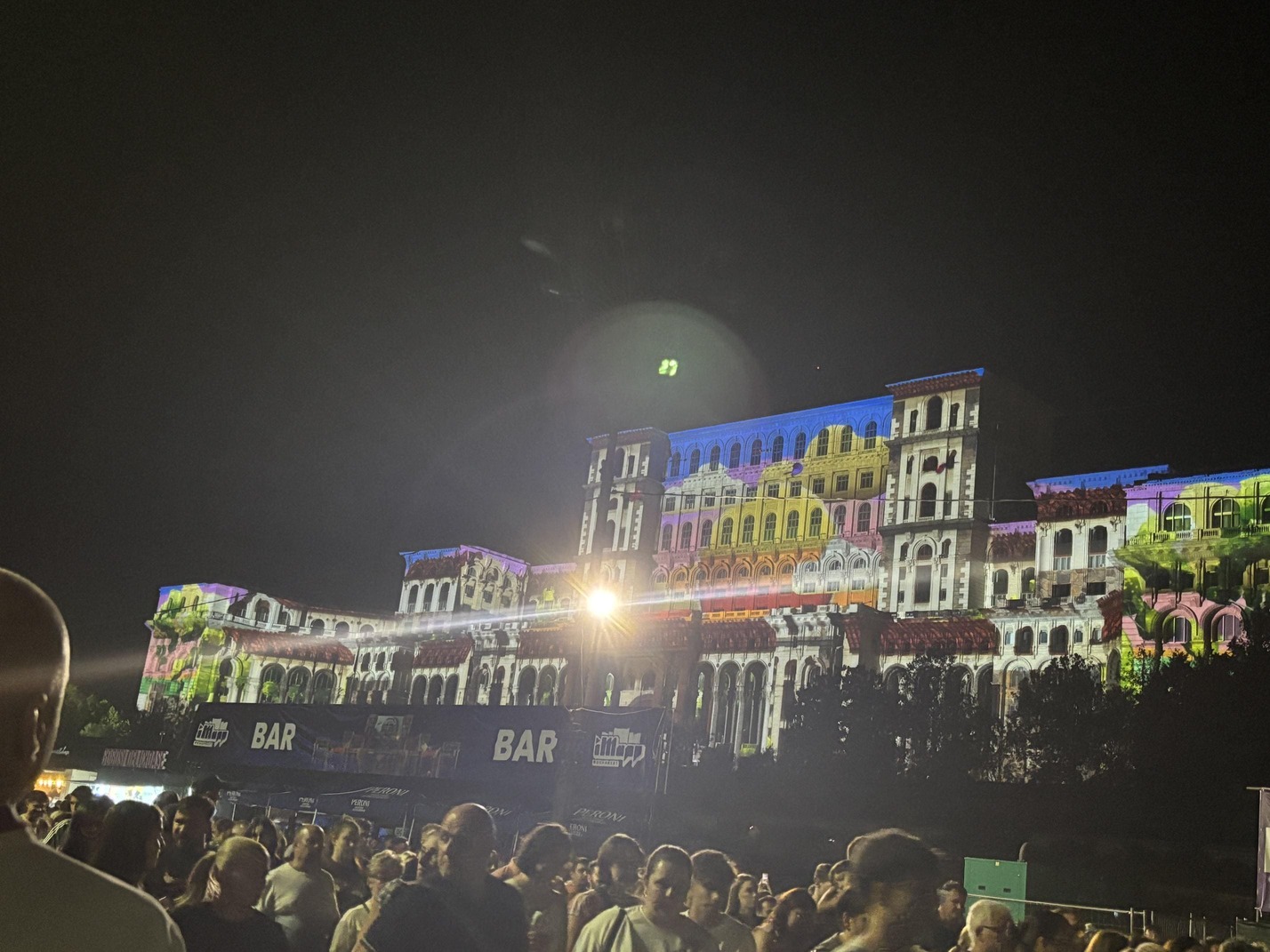
Cultural and historical remnants such as Sarmizegetusa Fortress, the spiritual heart of the Dacians, together with the Dacian fortresses in the Orăștie Mountains, and Roman monuments like Porolissum—founded as a Roman military base in 106 and later a city—or the aqueducts of Drobeta, including the bridge of Apollodorus of Damascus, bear witness to history and civilizational genius. Fortresses and strongholds from the age of the voivodeships, medieval castles—with vampires ready to impale you (Bran Castle, Dracula’s, yes, it’s here), Corvin Castle, or those closer to our hearts: Peleș, Cantacuzino, Sturdza, all the way to buildings from the “Golden Age,” like the Palace of the Parliament, or modern ones such as the National Cathedral—carry you across the weight and meaning of different eras.
Then there is Maramureș, the Romanian cradle, with unmatched traditions and hospitality, wooden churches listed as UNESCO heritage sites, living folk costumes, weddings and imposing homes, authentic fairs, and landscapes that carry you through time, between green hills and valleys preserved almost unchanged for centuries.
Bucovina, with its centuries-old painted monasteries—also UNESCO-listed—its fortresses given names by Stephen the Great (Suceava and Neamț, renovated and highly accessible), and its Europe in miniature, where many European nationalities live together peacefully, keeping traditions alive. Local fairs and authentic crafts, such as the international festival Bucovinian Encounters (with Romanians, Poles, Ukrainians, Ruthenians, and others), the Painted Eggs Museum, the pottery of Marginea, and breathtaking landscapes. And above all, the place of our roots.
In Moldova, I would mention Ruginoasa, the residence of the state ruler Alexandru Ioan Cuza, and Iași of the Junimea movement—a university city and the center of cultural effervescence, where literature, art, and progressive ideas turned it into a true cultural capital, even after the country’s de facto capital was moved from Iași to Bucharest.
Transylvania—with vibrant Cluj shaped by the Școala Ardeleană iluminist movement, medieval Brașov, Sibiu with its carefully preserved historic center or the open-air ASTRA Village Museum, and Sighișoara, the only inhabited fortress in Europe—all absolutely splendid, add to the country of Romania cities rich in culture and history.
Oltenia has Brâncuși born in Târgu Jiu. It also has folk costumes loved by Queen Marie and seems well settled for a long time to come. Well, most politicians come from there too—but that’s another story.
Tourists who come and stop only in Bucharest encounter the less glorious reality: cafés with artificial flowers in the city center, suffocating traffic, and constant bustle that leaves little room for the city’s immense architectural heritage. And if they try to reach the places mentioned above by train—the main option in many European countries—the experience is rarely a positive one.
For a local, accustomed to everything, contrasts coexist naturally. For a foreigner, if they are inspired enough to choose the right route, it can be a revelation; if not, they are left only with confusion. I believe that when Bucharest is truly modernized—historic buildings renovated, heritage houses restored, streets opened up, traffic managed, Calea Victoriei bulevard filled with brands and cultural exhibitions, the Old Town enriched by natural terraces and the full story of inns, cafés, in the Belle Époque heritage that underpins it, the Dâmbovița River hosting boats and walkways like in major capitals—the city could look entirely different. And the Palace of the Parliament, one of the largest administrative buildings in the world, together with the National Cathedral, the largest Orthodox church in the world, complete the absolutely stunning picture it could become. From here, connected by decent transport and tourist infrastructure, the road to the Universe itself would open.
Romania is the language of my prayers and my calculations—and those cannot be moved into any other language.
Poland is the country where I was never afraid to feel or to understand, and where I always had the certainty that I did not need to hide or explain myself, because it understood me without words.
Poland taught me to feel and understand who I am, and it will always remain in my heart as the country where I lived my freedom and independence fully. Above all, it is the country where I experienced two of humanity’s most recent turning points—COVID-19 and the invasion of Ukraine—both in complete safety. Sometimes I think that if it called me to it and sheltered me during these great events, perhaps my roots are there, and my guardian angels are Polish. In any case, for me, Poland feels like home, through the natural bond, sense of well-being, and authenticity I feel whenever I am among Poles. Perhaps also because I grew up among them, and their mentality, culture, and language feel familiar.
In Poland, national identity is not a declaration but survival—a consciousness always alive and clear. Poland endured, revived, and was reborn through a determination almost stubborn, the same determination with which Poles live their daily lives. If I admire Poland for anything, it is that whenever faced with a crossroads, it chooses the hardest path—one that preserves honor, dignity, and character—never even considering compromise. Over time, this builds an authentic nation and a strong conscience. Pope John Paul II is not just a name; he is a symbol of a national identity guided by dignity.
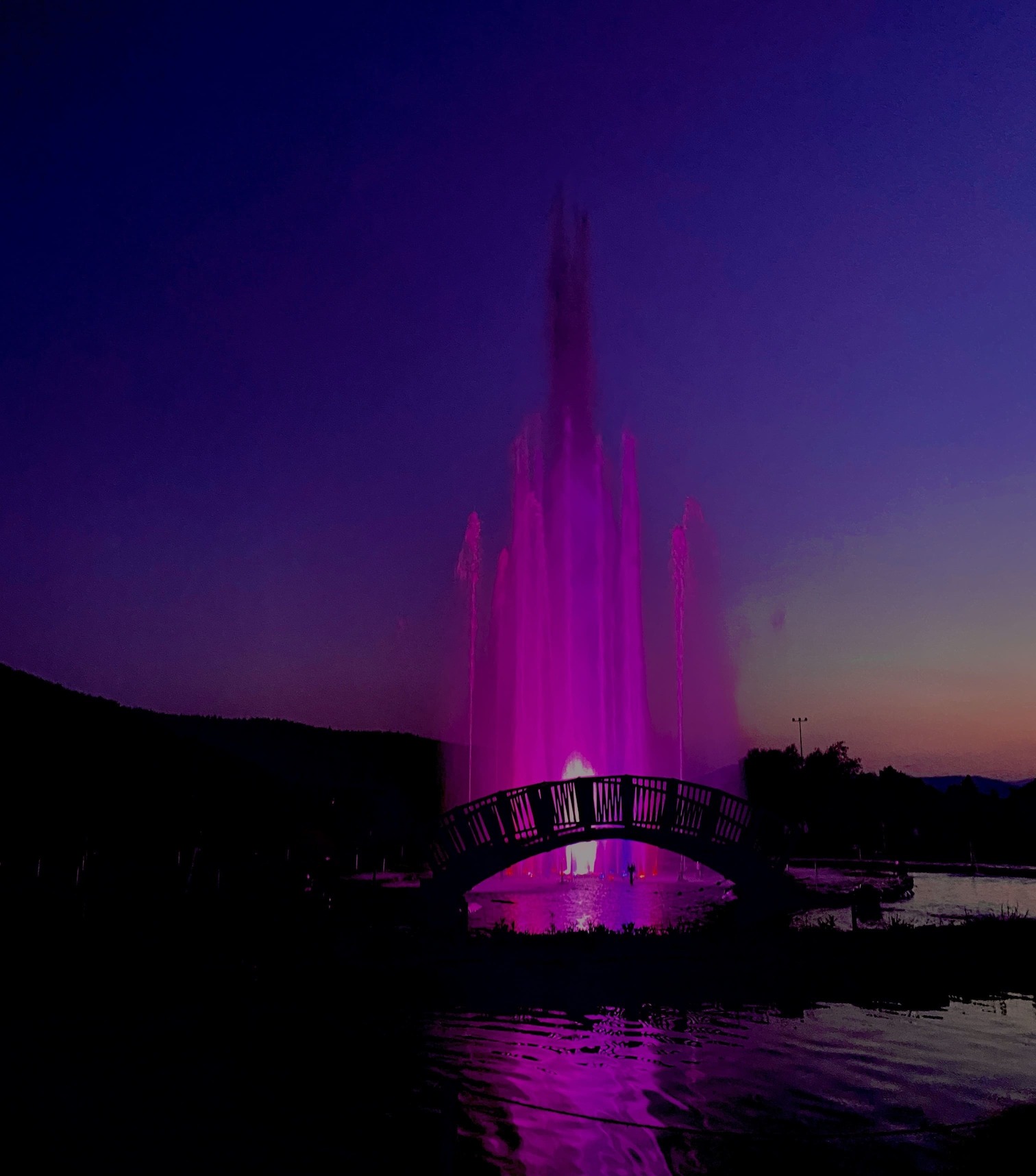
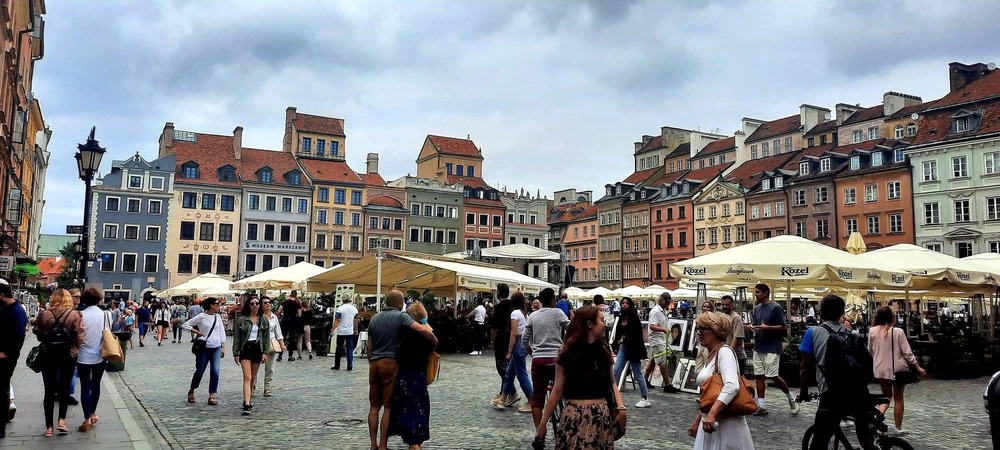
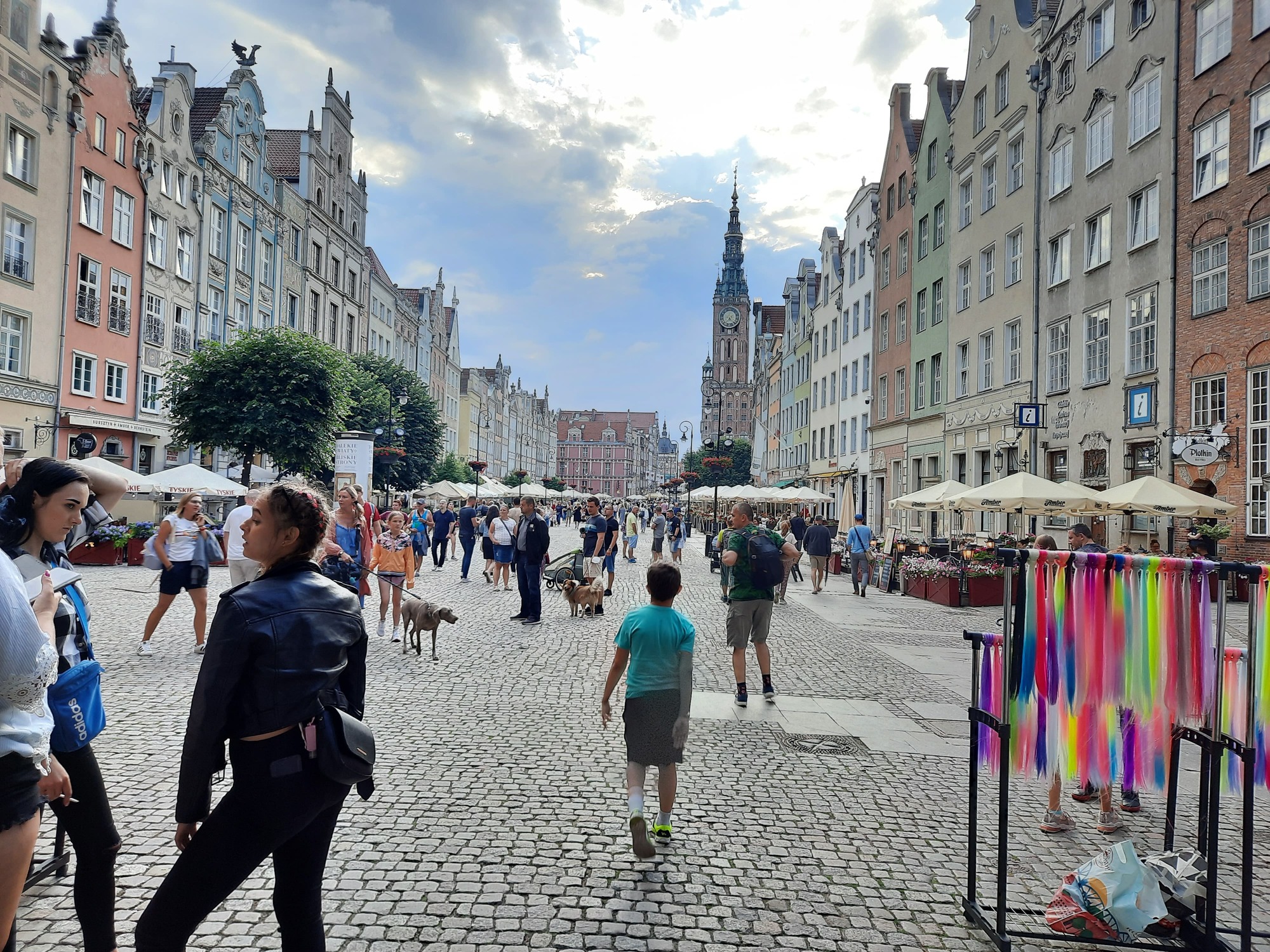
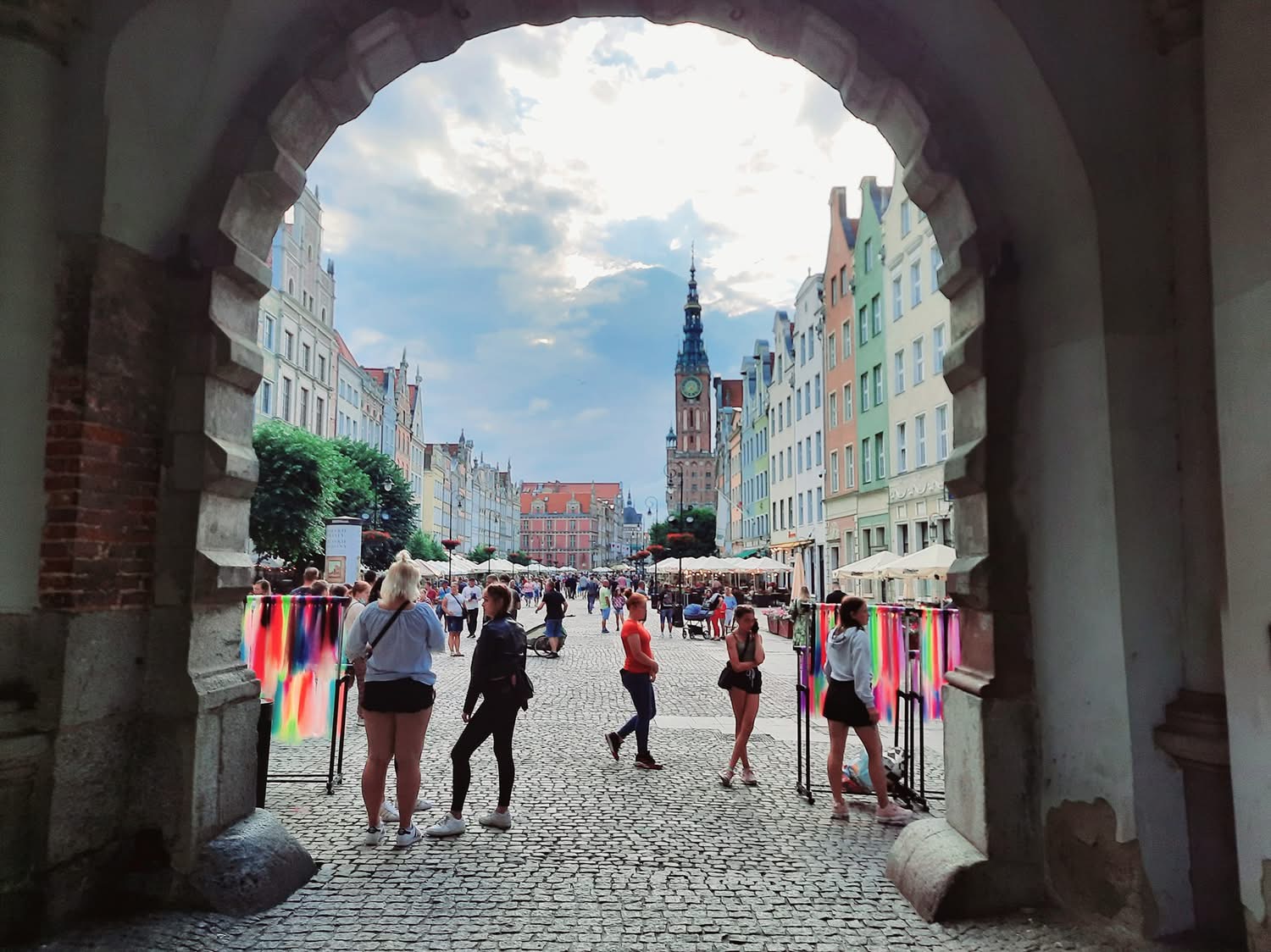
Beyond language, culture, and history, I loved Poland’s cities. All immaculate, all sharing architectural harmony (Łódź is a notable exception with its French influences), where not a single cigarette butt is in sight—on streets, under bridges, in tunnels, or near bins. Buildings are well-maintained, traffic flows smoothly, and the capital takes your breath away with its beauty and the moral triumph of the Warsaw Uprising that lingers in the air.
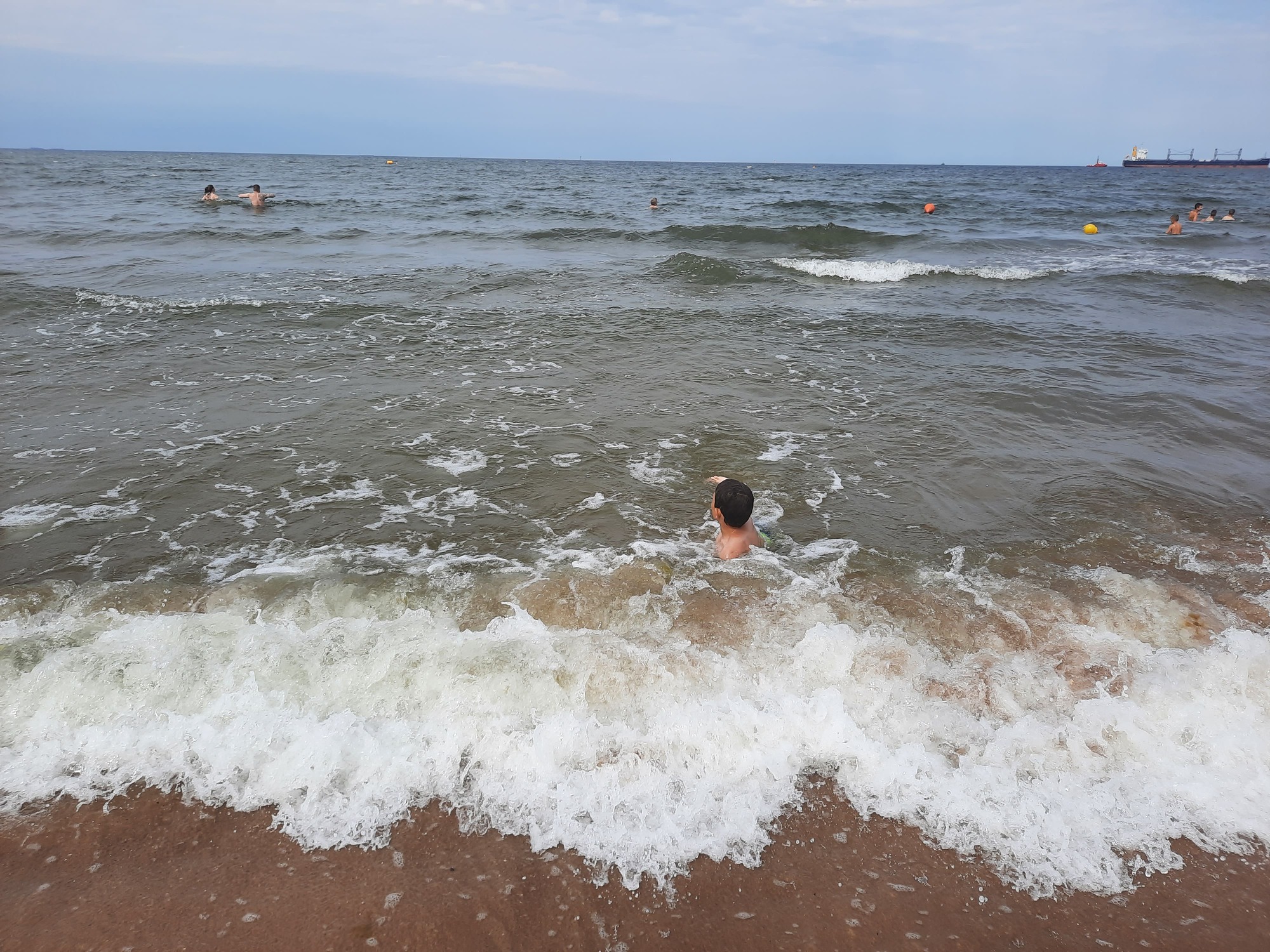
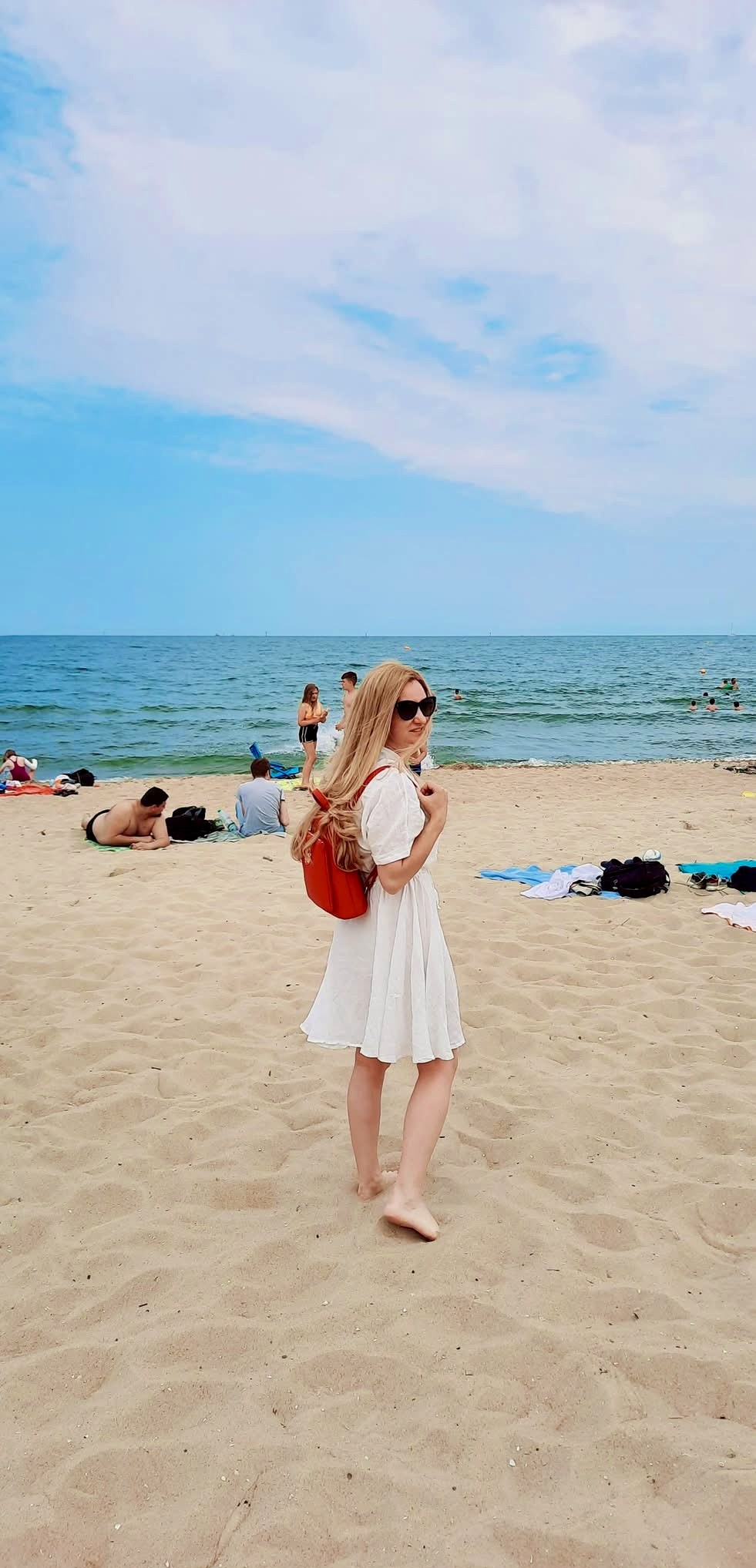
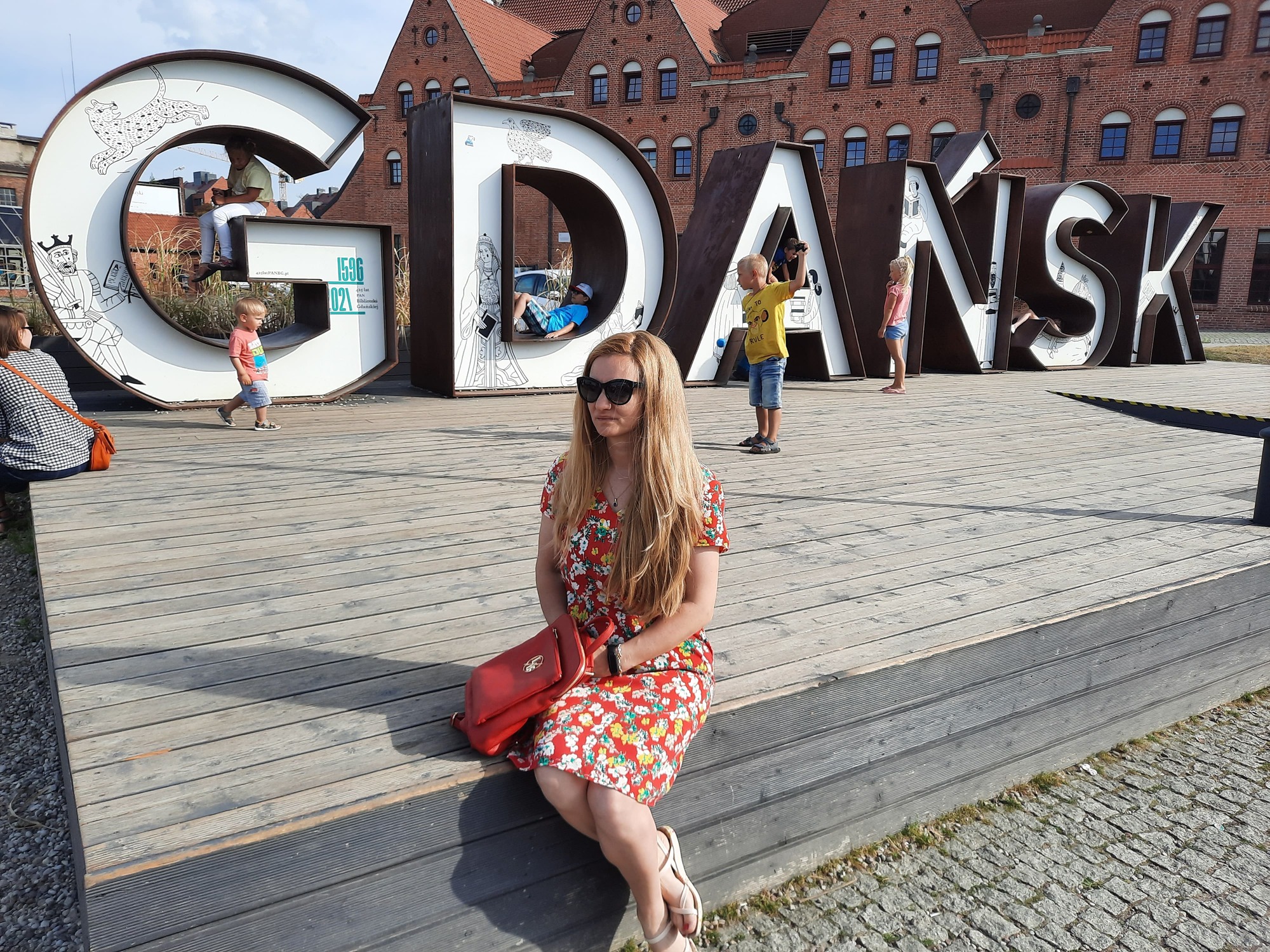
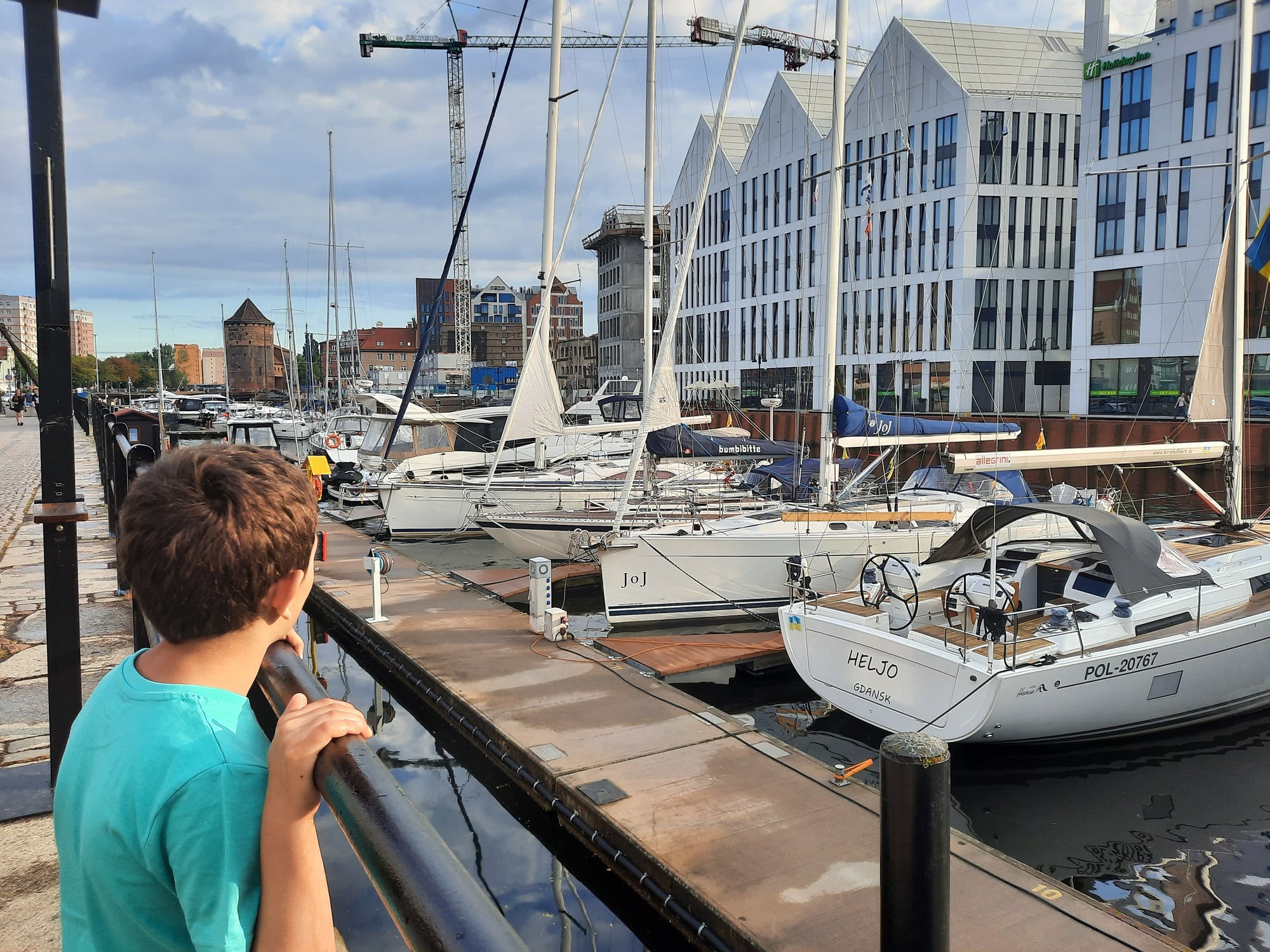
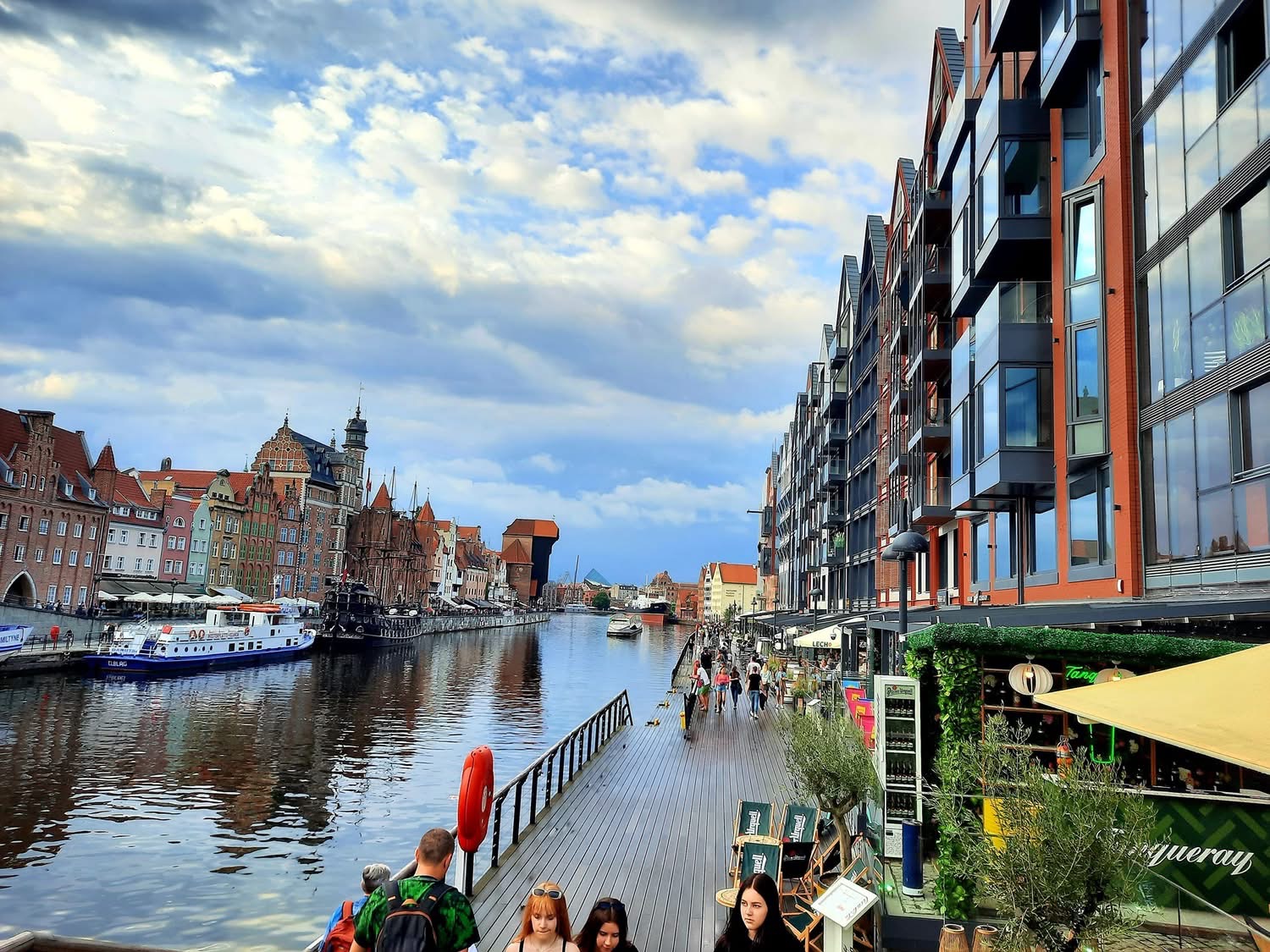
Gdańsk, with its ports and the scent of the Baltic Sea, is where the flame of “Solidarity” was ignited, where a nation understood that every person matters and freedom begins with “we, the people.” It set the tone for an era and it is the benchmark for many nations.
Poland has a long memory: Auschwitz, with its silent gravity, is a wound that never heals, screaming through the growing number of visitors who come each year, thousands at a time, all honoring the silence while its weight becomes ever more palpable, because Poles knew how to transform it into a silent vow: “Never again.”
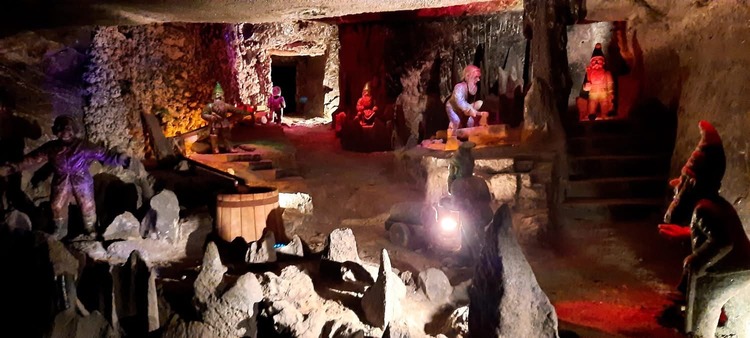
Kraków breathes culture effortlessly. Nothing feels forced, superficial, or commercialized. Kraków makes you feel noble, as if you were always meant to belong there—as the noble you truly are, only born elsewhere. At Wawel, among cathedrals, corridors, and stone cellars, legends of kings, knights, and fire-breathing dragons feel alive. Kościuszko Mound, built by Poles carrying soil in baskets, is a symbol of restless ambition. Nearby, the Wieliczka Salt Mine—a palace carved in salt—shows how Poles can transform even the depths of the earth into art and prayer.
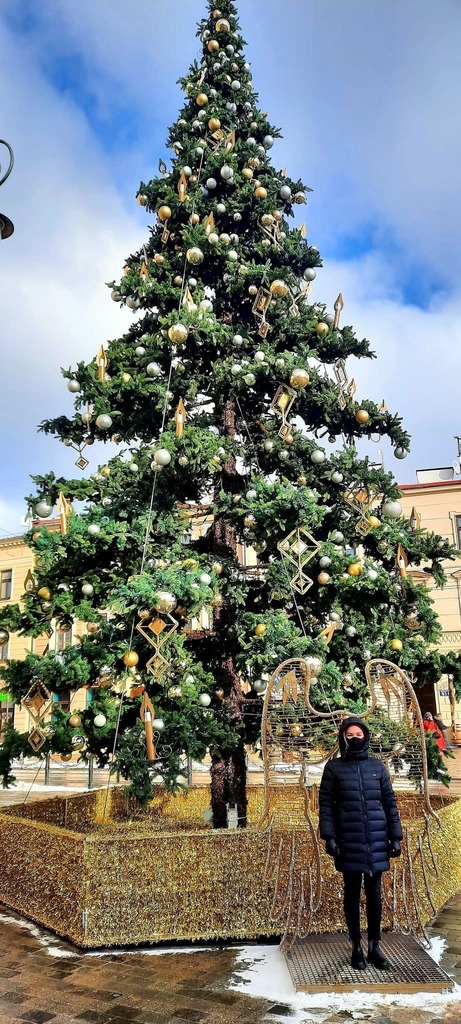
Poznań, the cradle of Polish nation (“kolebka państwa polskiego”), welcomes you with exuberant energy: enough history to move you, recalling the beginnings of the Polish state under Mieszko I, baptized in 966 and founder of the Piast dynasty. His son Bolesław Chrobry became Poland’s first king in 1025, a millennium ago. The Cathedral in Poznań bears the motto pulsing in every Pole: “Tu bije serce Polski” (“Here beats the heart of Poland”), and inside lie the tombs of the first Piast rulers: Mieszko I, Bolesław Chrobry, Mieszko II etc. And when you turn toward the modern part of the city, Poznań captivates you with a fabulous Old Town, where you find the city’s symbol—the little goats—alongside the Royal Castle nearby. The aroma of the famous St. Martin’s croissants, Rogale Świętomarcińskie, entices you to the Pretzel Museum, Rogalowe Muzeum Poznania, a place where the tradition of these pastries is shared with humor, tastings, and immense local pride.
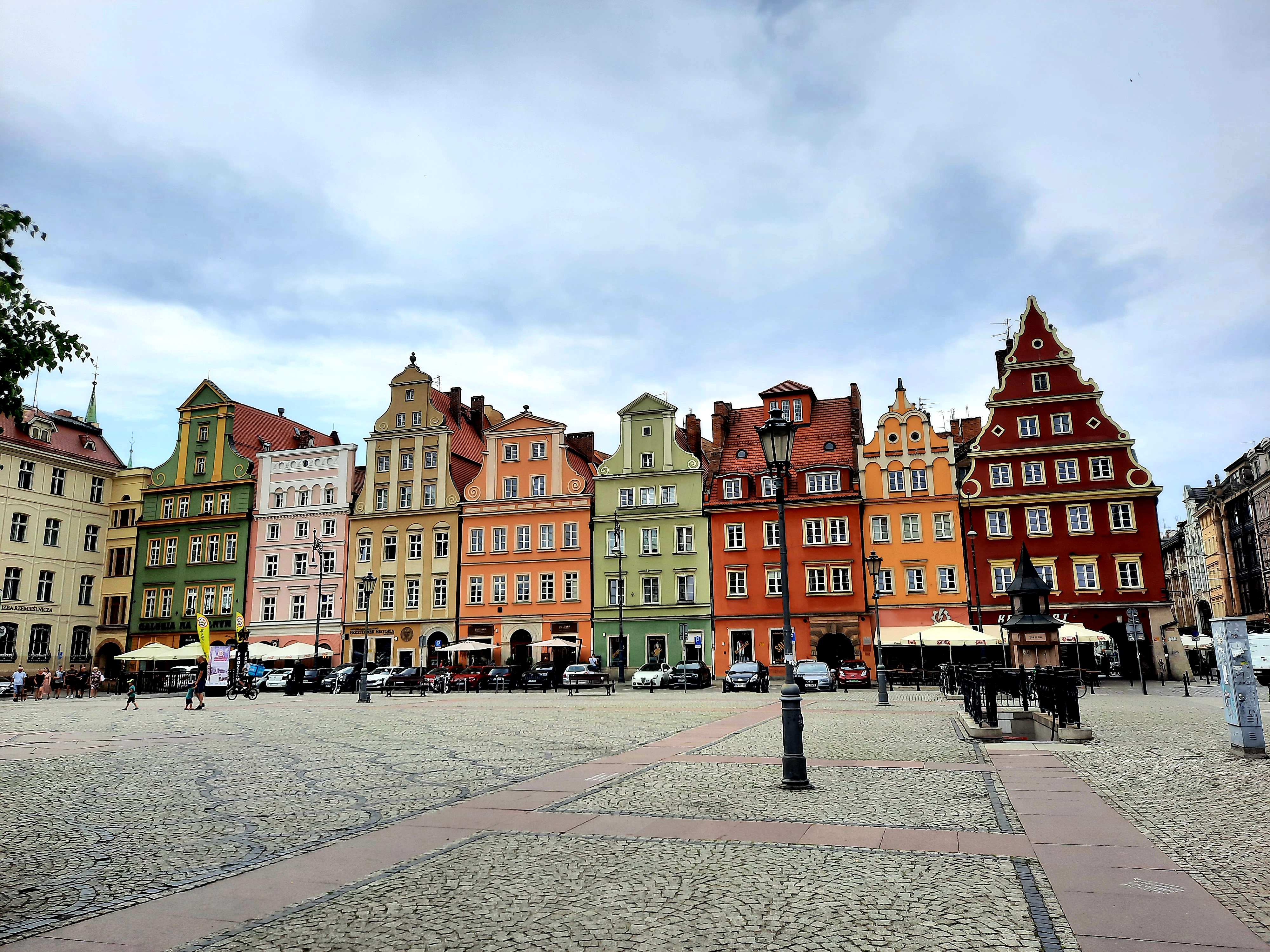
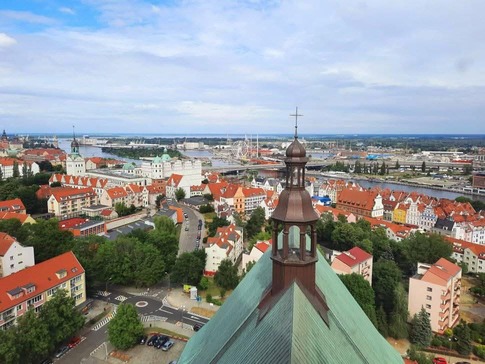
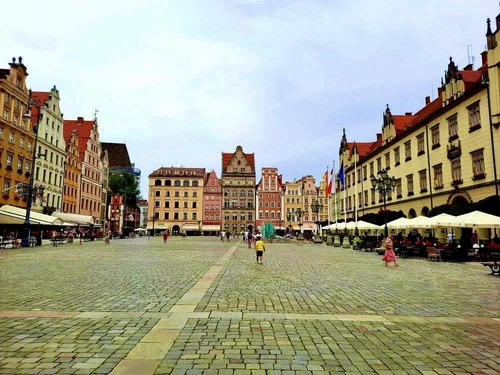
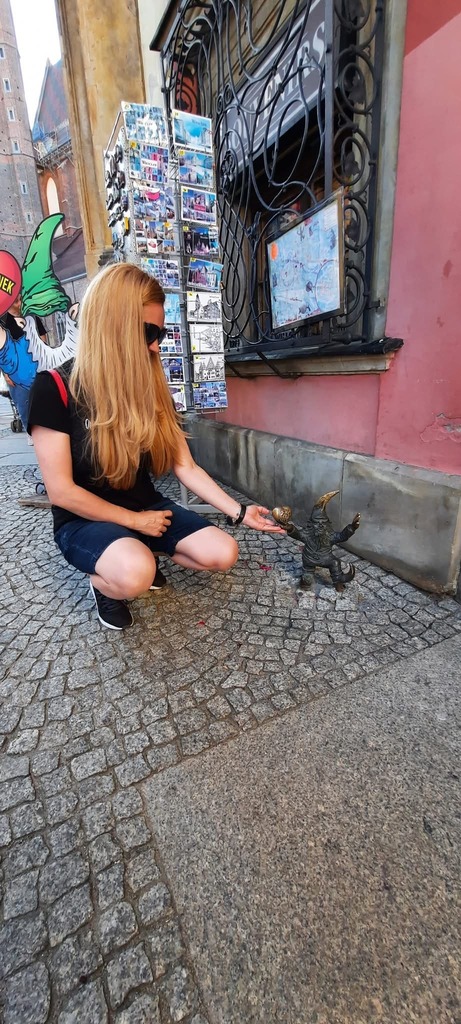
And then comes Wrocław…the city that plays with you. On the surface, it is the “Venice of Poland,” with canals, bridges, and beautiful buildings, but the true Wrocław is at knee level. There, you encounter the dwarfs—hundreds of statuettes, each with its own story, profession, and personality: one dwarf has a heart, another is a veteran, one is a plumber, one withdraws money from an ATM, one is a hairdresser, one a programmer, one a philosopher, one sits in an armchair, one is drunk, one is a firefighter, one protests, another sprays tourists, another drowns in soup, another carries a sunflower-big as he is, there is the Dwarf Pope, the Swordsman, the Butcher, the Washer on the Oder, the Sisyphuses; some sing, others cannot see, others cannot walk, some talk, and all recall the “Orange Alternative,” a figurative and satirical way to mock communism. Some statuettes are official, approved by the city; others exist purely for amusement, installed by companies that understood the subtle art of advertising. They are not just an attraction: they are a secret language of the city, a way for Wrocław to remind you that life is too serious not to stop and smile, reaching 600 dwarfs by 2019. Wrocław is a place where a harsh past—wars, shifting borders, displaced populations—coexists with the calmest present: bustling cafés, students on every corner, trams that carry you through squares like urban fairy tales, boats that take you along the Oder’s canals and branches, a truly royal botanical garden awaiting you with thousands of plant species, and, of course, dwarfs, mostly gardeners, naturally.
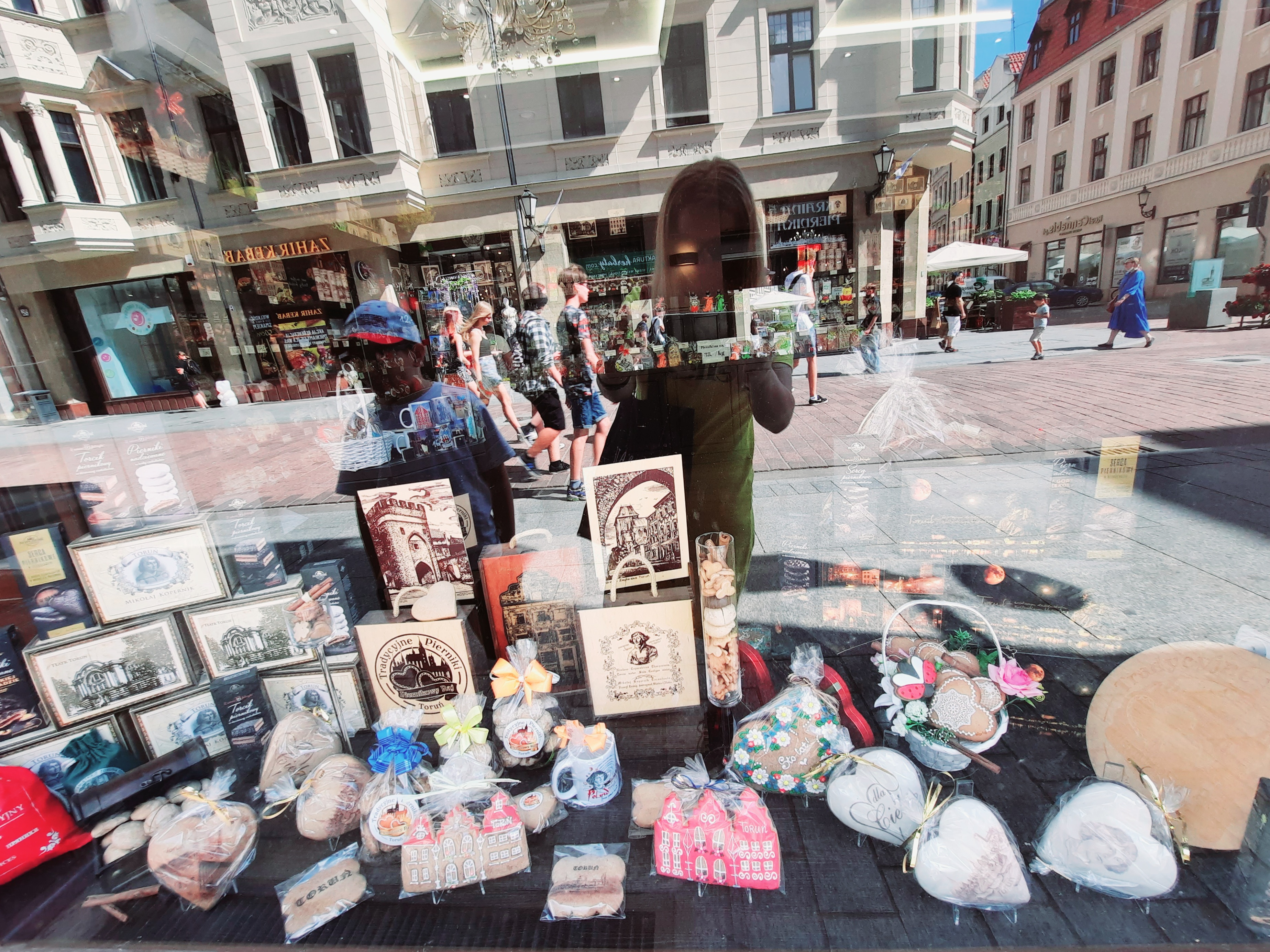
Toruń is scented with two things: history and pierniki, gingerbread baked with patience. Birthplace of Nicolaus Copernicus, it moved the Earth from the center of the Universe and placed the Sun instead. Toruń does not need to shout to impress; its medieval brick buildings, Gothic churches, and quiet fortifications speak with cinnamon and amber ink.
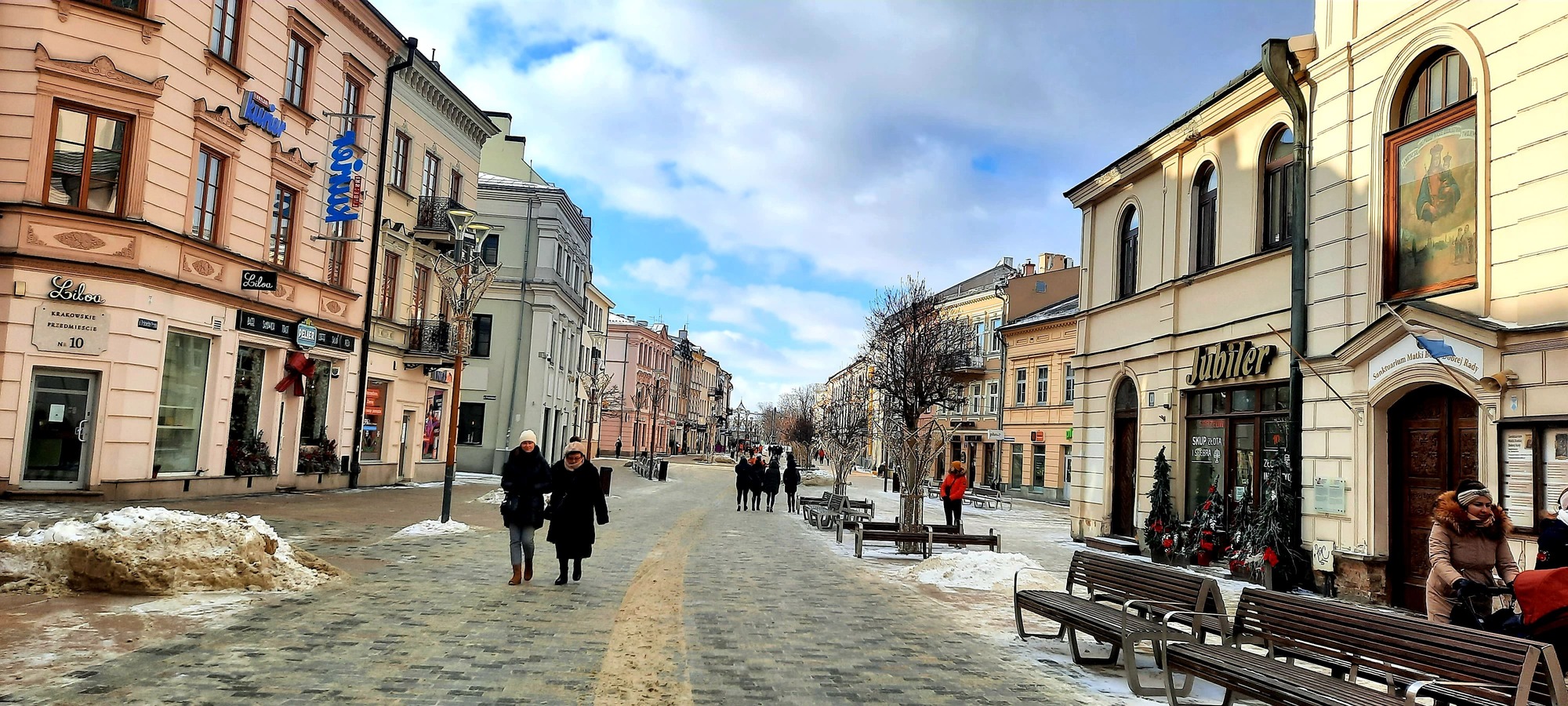
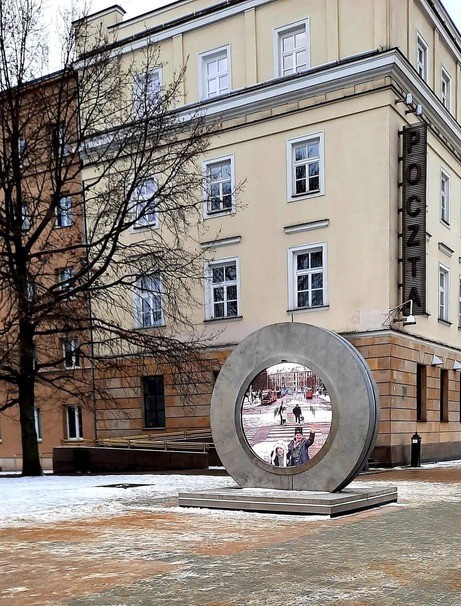
Lublin tells the story of eastern Poland, a delicate blend of Jewish, Polish, Ruthenian, and Armenian cultures—a true historical crossroads. The pastel Old Town and Lublin Castle, with its Byzantine-orthodox style, Holy Trinity Chapel, reveal that beauty comes from contrasts. Lublin is poetic, profound, and often underestimated—a city that quietly says: “I don’t need to be large to be important.”
Szczecin is different. A port city living to the rhythm of water, wind, and ships, shaped by Scandinavian, German, and Polish influences. I visited an underground museum in former bomb shelters, where the guide recounted how the city had been bombed by everyone—Russians, English, Germans, French, Americans… and Poles—with the haunting question: “Why?”
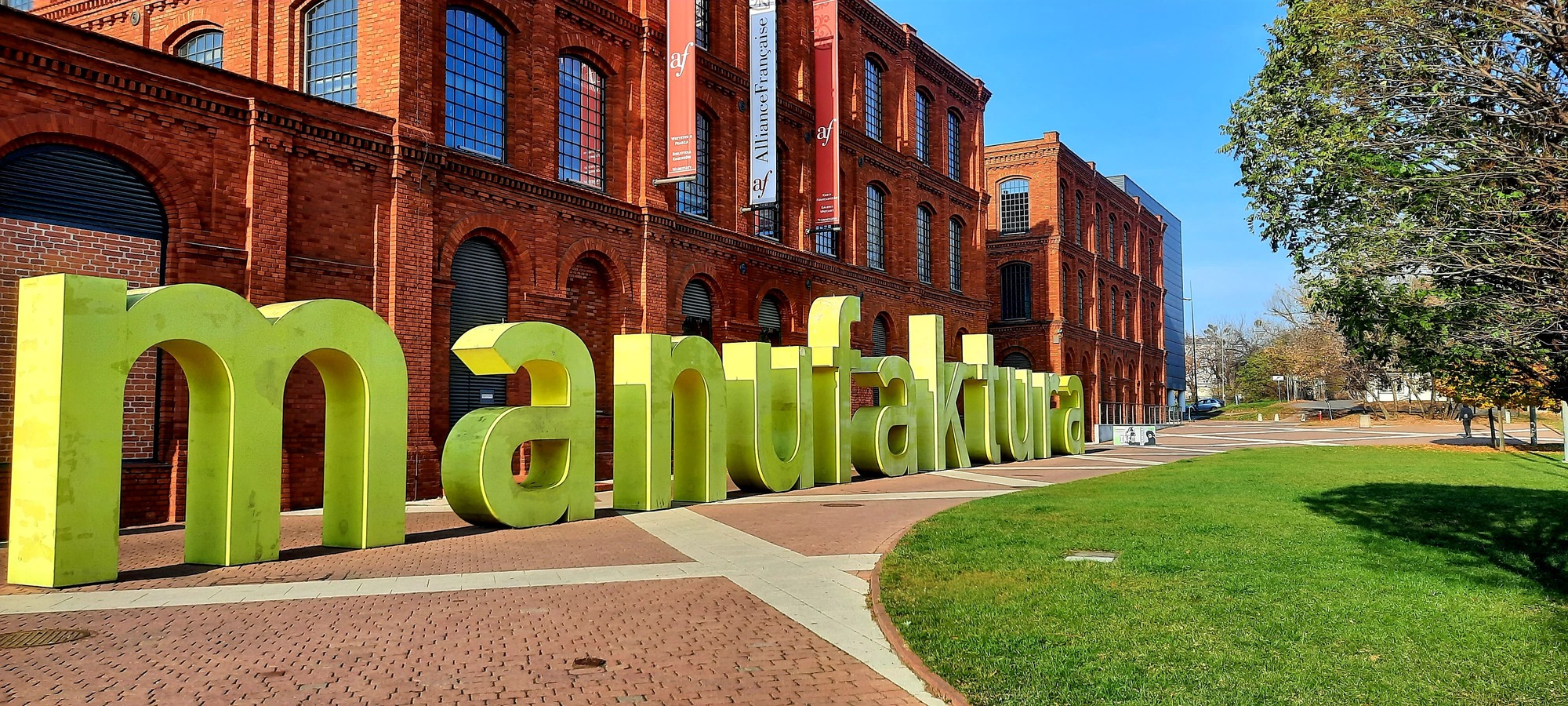
Łódź is an industrial city spectacularly reborn: old textile factories are now art centers, and giant murals brighten formerly gray streets. On Piotrkowska Street and in Manufaktura, you feel the city turning its past into film, culture, and creativity.
Bielsko-Biała feels like a city where childhood stories hide, birthplace of Lolek and Bolek, characters that made generations smile. A quiet, elegant city where history and animation meet naturally, like a comic strip come to life.
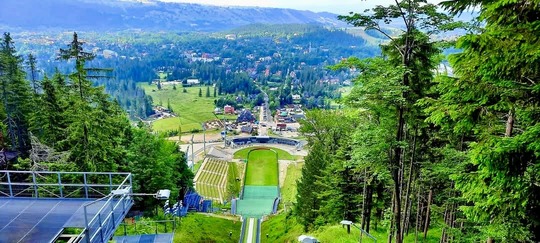
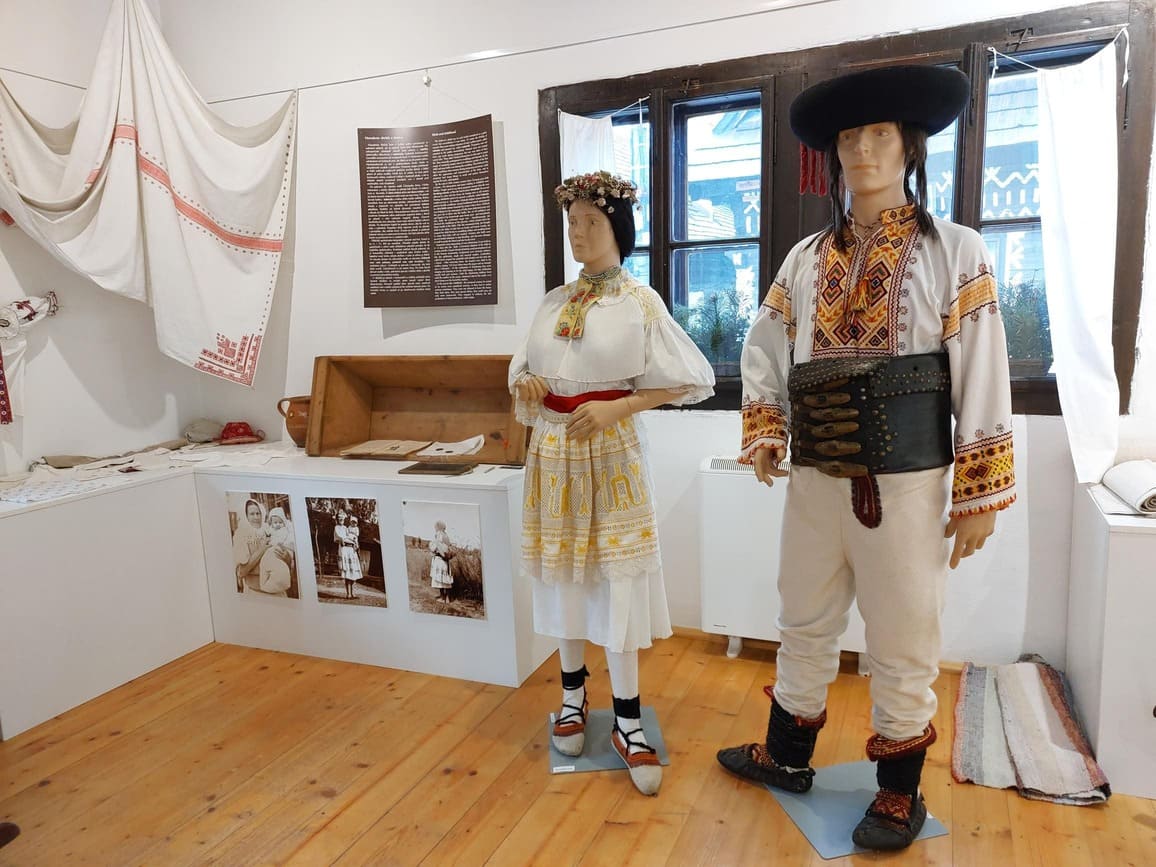
Zakopane, in the Tatra Mountains, land of the Gorals, has the atmosphere of a world that never tires of being authentic. Here, Poles tell stories through folk songs, costumes, and crafts. If you integrate and feel at home, your soul is probably already Polish.
A people who, no matter how divided, bombed, burned, or occupied, always gather their pieces and rise with dignity—such a nation can only be great and exemplary in my heart.
Leaving was hard, and my heart remains torn. Yet I take comfort in knowing I am close enough to reach Cracow, Wrocław etc., while Slovakia, too, feels familiar and near.
Poland does not demand admiration—Poland commands it simply by being itself, by the way it has chosen to build its history.
Slovakia is the country where I got a small taste of paradise. I longed for it, and I received it. Sweet, sublime, light, relaxing, carefree—a place where anything is possible, as long as you wish for it.
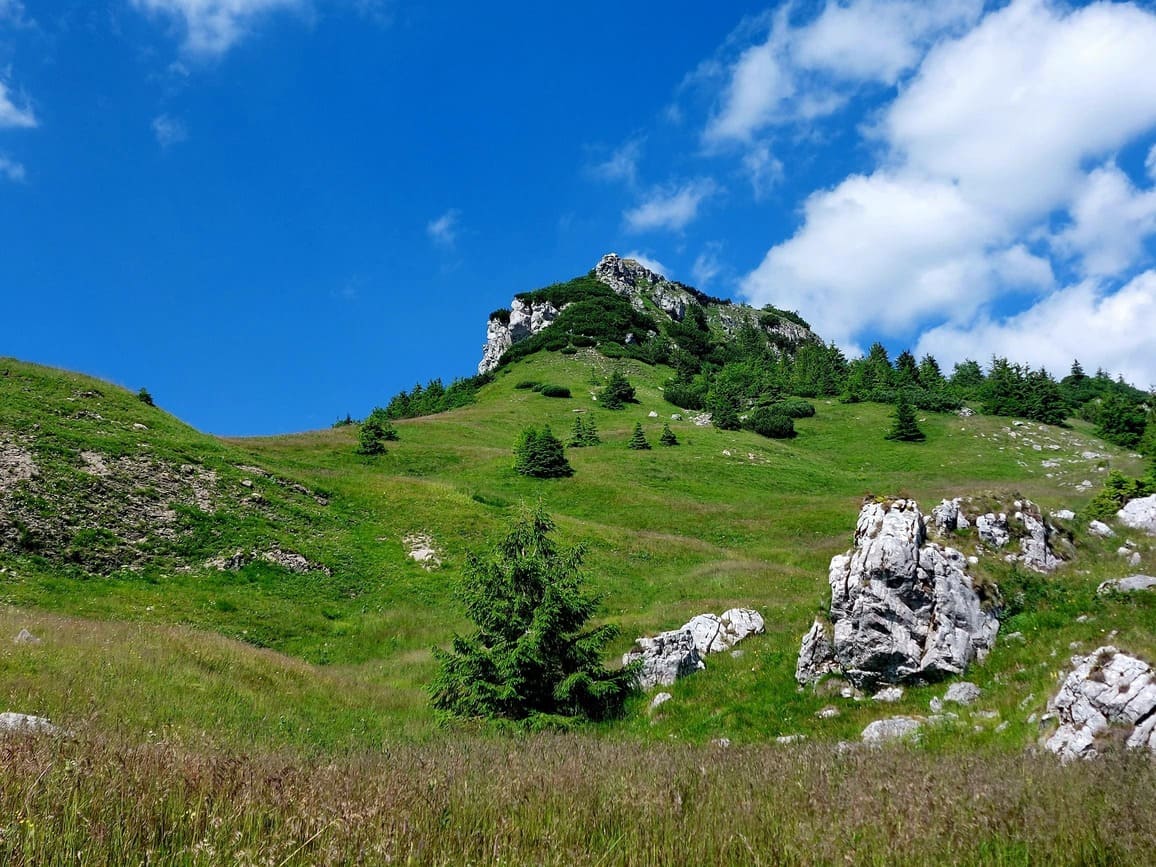
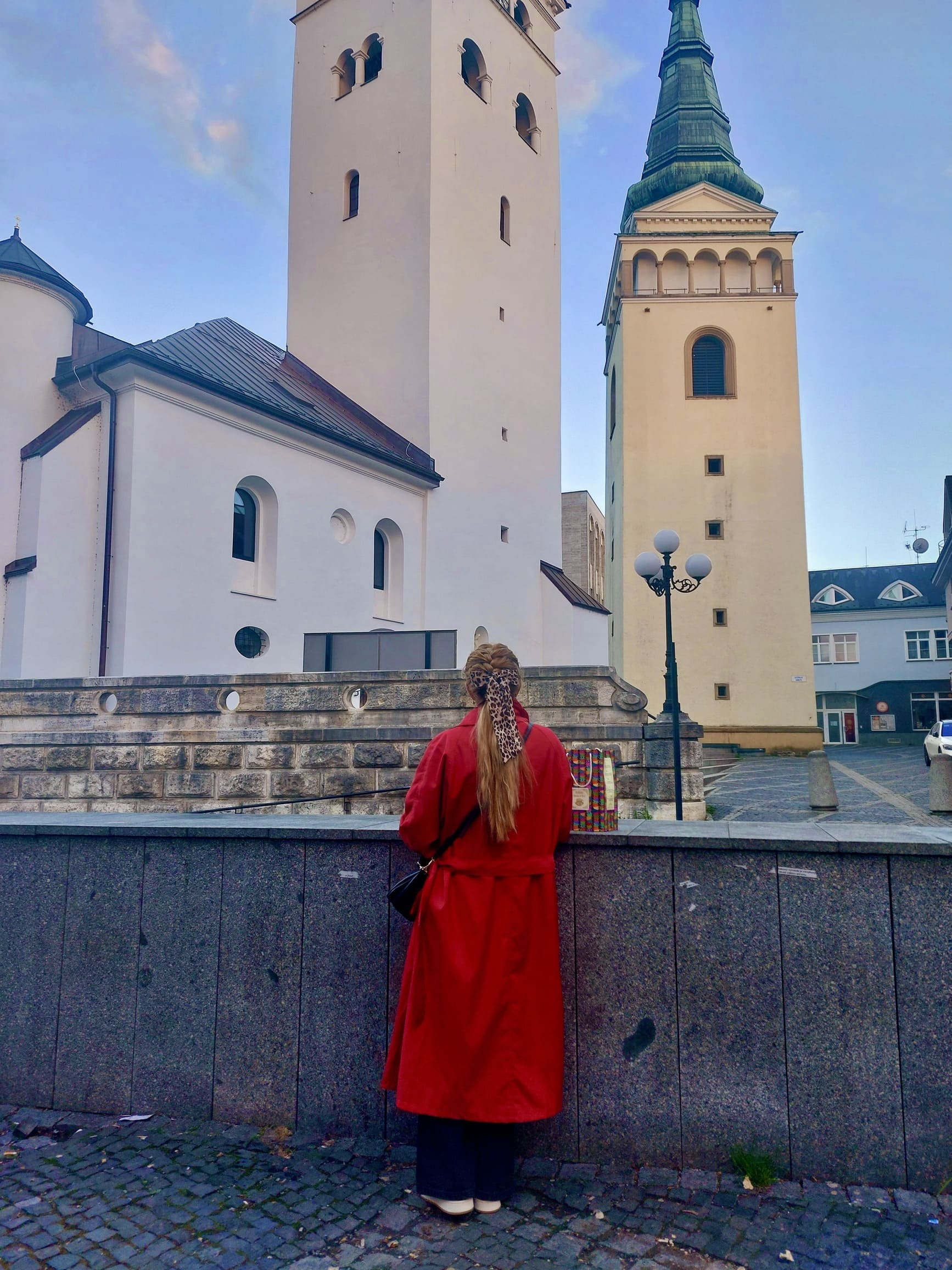
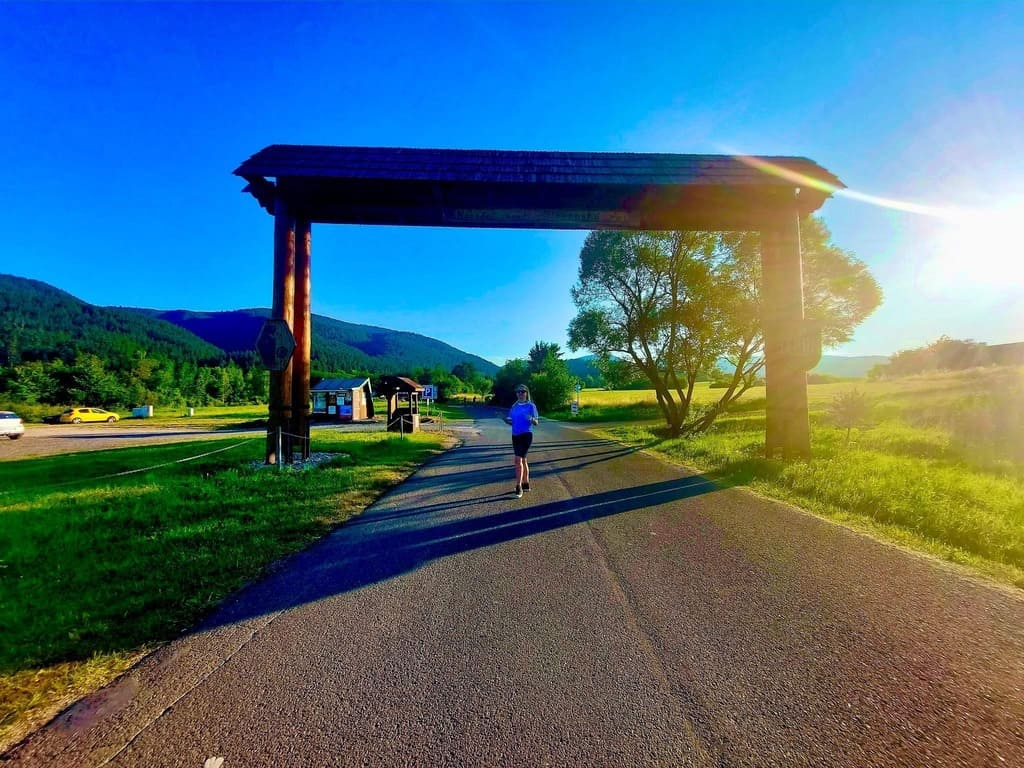
Slovakia is not a country of cities, although, of course, it has cities worth visiting: Bratislava, Košice, Žilina, Banská Bystrica, Zvolen, Prešov—but it is certainly a country of landscapes. Slovakia is famous for its natural beauty, and the services and trails are impeccable, very well organized.
Here, I had time to explore nature, read, and enjoy everything, and although from the outside the country’s politics might seem complicated, living here, I can honestly say I have never felt safer or met more wonderful people anywhere else.
Incorporated into Hungary under the Árpád dynasty from the 9th to the 20th century and subjected to a policy of Magyarization, Slovakia preserved its national consciousness for over 10 centuries, thanks also to personalities like Anton Bernolák and Ľudovít Štúr, who played crucial roles in promoting the Slovak language and culture. I thought the Poles never forget, but the Slovaks truly amazed me, both through this and the Peaceful Revolution of 1989 (“Nežná revolúcia”), which led to the collapse of the communist regime and the formation of an independent Slovak Republic through the peaceful separation from the Czech Republic on January 1, 1993, yet without a referendum.
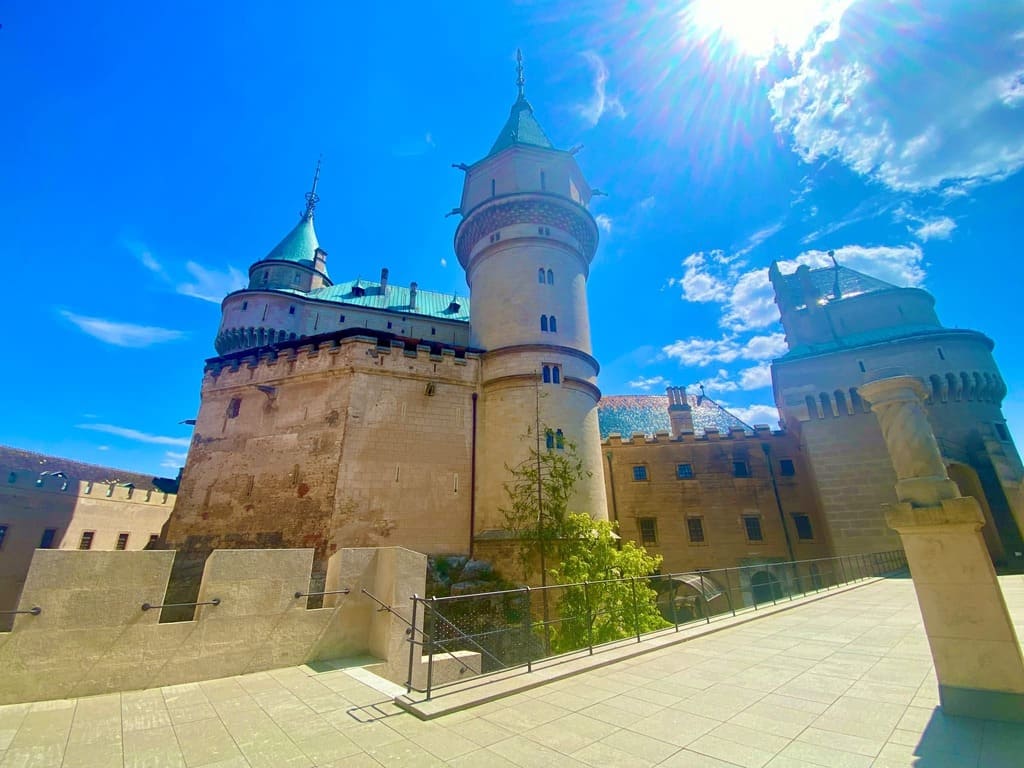
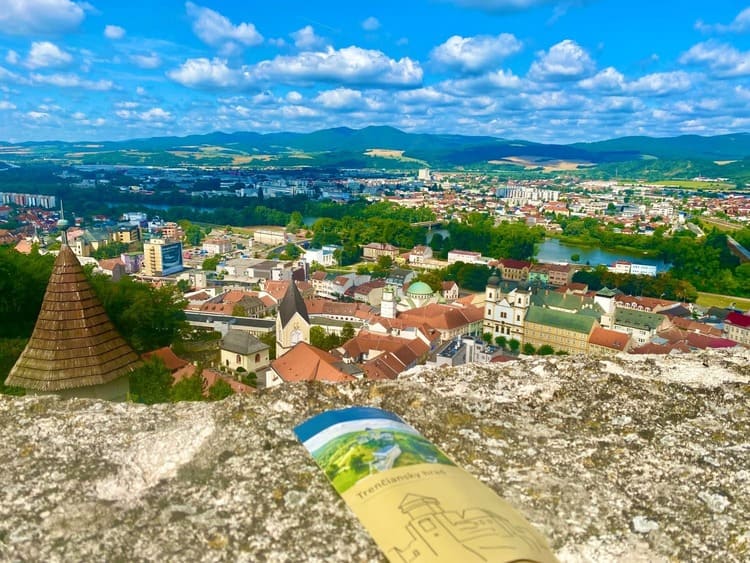
Slovakia is also famous for its castles—the highest number of castles per capita in the world: 180 castles and 425 manor houses, perched on rocks, in forests, on mountaintops, hills, above cities etc. Many are UNESCO monuments. Each castle or its remnants tells a story—from Bratislava Castle, overlooking the Danube and serving as a presidential residence, to Orava, Spiš, Bojnice, Trenčín, Budatín, Strečno—each with its own charm and legend.
But let me tell you more about landscapes. Slovakia is largely forested, with over 40% of its land covered by trees. It has 9 national parks with nearly 6,000 underground formations, waterfalls, canyons, peaks, and lakes. Practically, you step out of the city, and within minutes you’re on a mountain trail. And if you don’t like the area, you can reach the other side of the country in about 3 hours. And if those places don’t satisfy you either, you can visit Poland, Vienna (just 30 minutes from Bratislava), the Czech Republic, or Hungary—all are nearby.
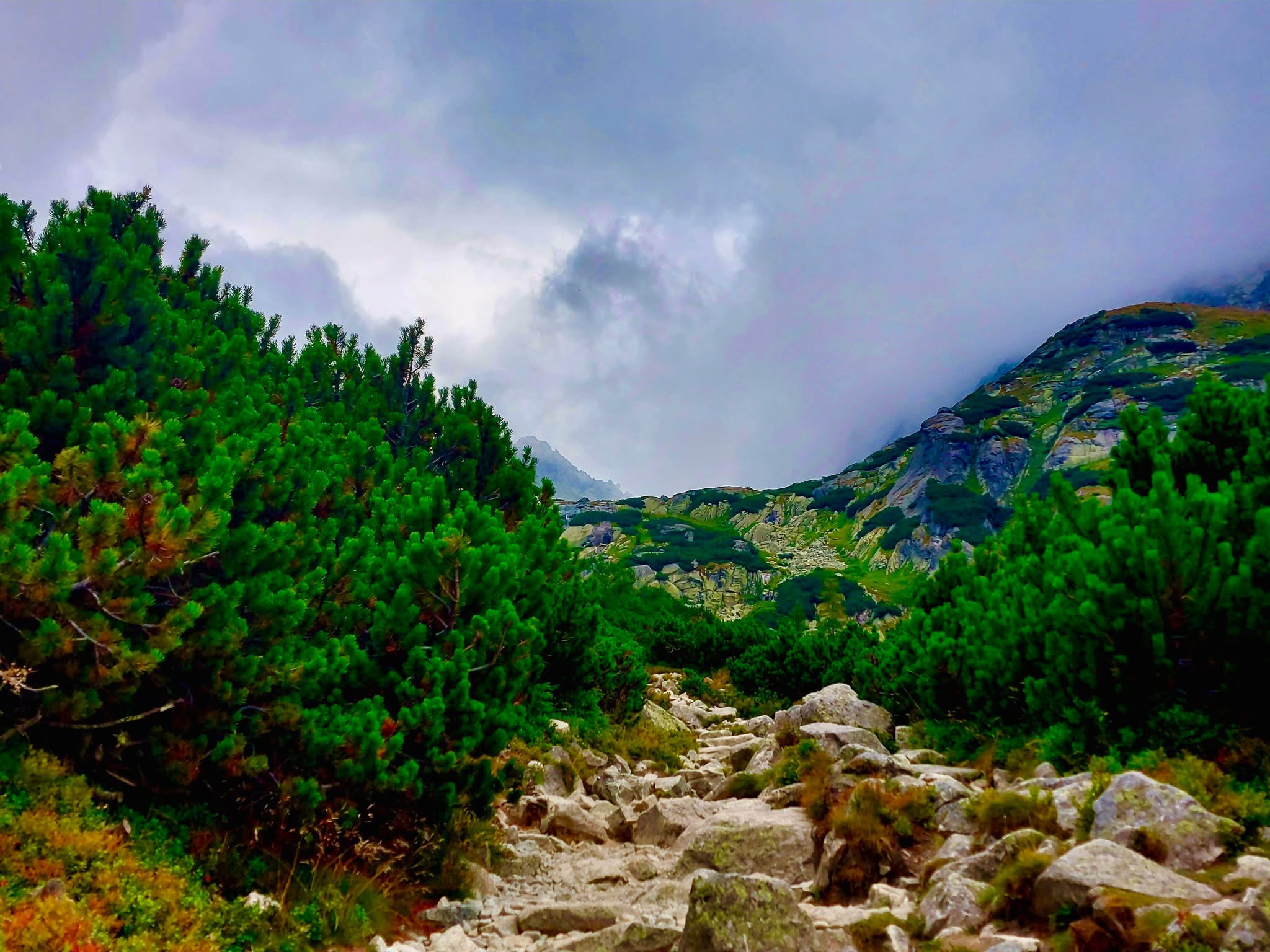
The Tatra Mountains, like our Carpathians, stretch across the country and are renowned worldwide for their beauty and abundance of marked hiking trails, aquaparks, spas, ski slopes, and mountain resorts.
In Vysoké Tatry, I stepped into a world where the air is purer than the soul of saints, and with every step you understand that nature can conquers any gloom. The best way to explore these places is by the Tatranská elektrická železnica train, which connects picturesque stations: Stará Lesná → Nová Lesná → Pod Lesom → Dolný Smokovec → Starý Smokovec → Nový Smokovec → Sibír → Tatranské Zruby → Tatranská Polianka → Danielov Dom → Nová Polianka → Vyšné Hágy → Popradské Pleso → Štrbské Pleso.
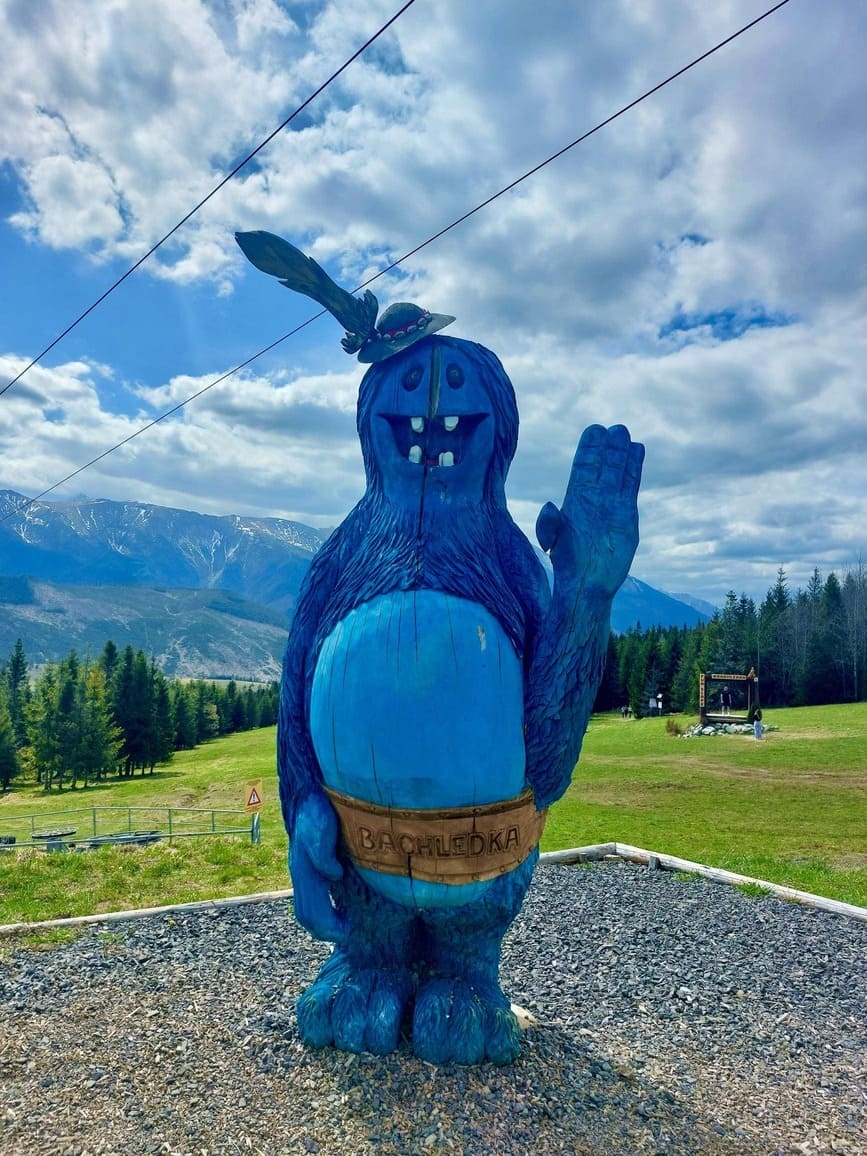
Each station is a gateway to mountain trails, alpine lakes, or breathtaking landscapes. Nearby, you’ll find numerous pensions, hotels, and cabins offering everything for a memorable stay: restaurants with traditional Slovak cuisine, mountain gear shops, tourist information centers, cable cars, leisure areas, and shopping. You can combine walks with hikes, excursions to glacial lakes like Popradské Pleso or Štrbské Pleso, spa experiences with mountain water, or aquaparks where, amazingly, you can sunbathe on sunbeds placed on a green emerald hill or under a dense, cool fir or spruce tree, all with the comfort of being close to nature. In winter, trails transform into white realms, with ski lifts and gondolas taking you up well-known slopes. Famous ski areas include Tatranská Lomnica, Bachledka Ski & Sun, Skalnaté Pleso, and others like Vrátna in Malá Fatra and Jasná in Nízke Tatry.
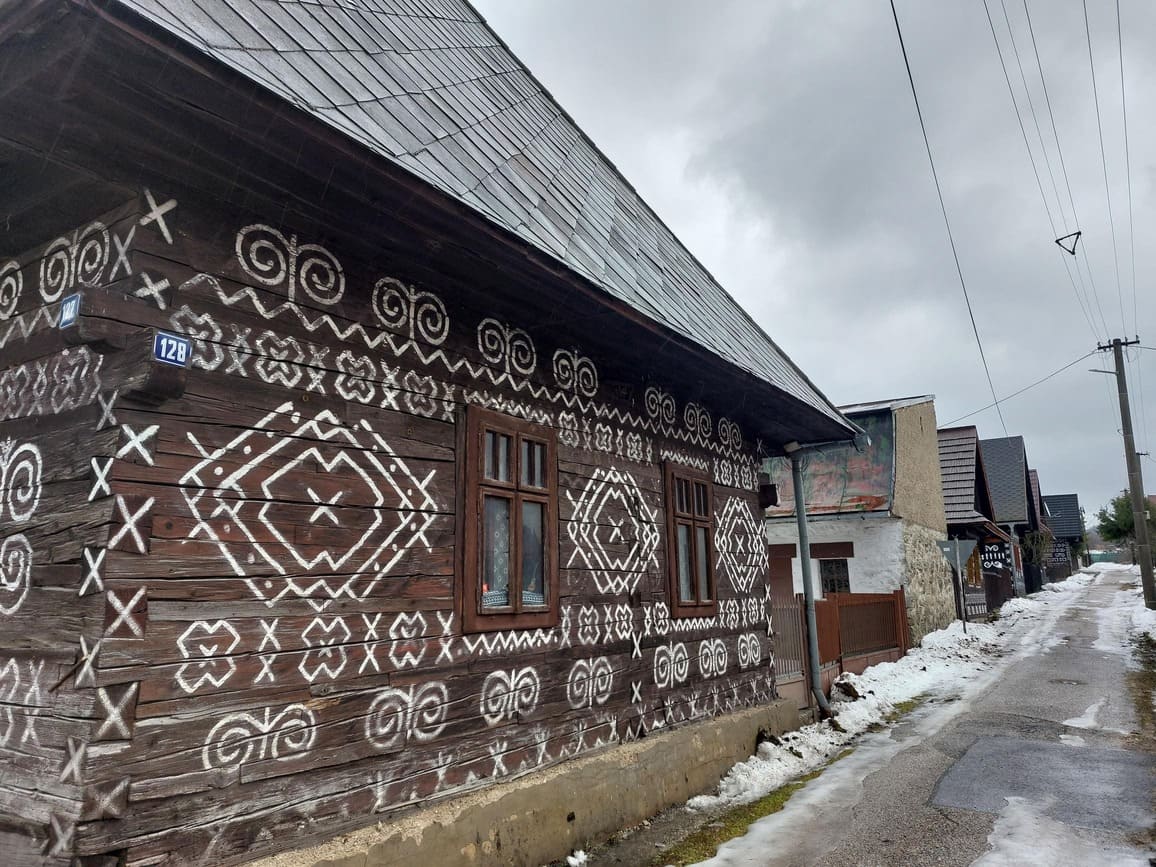
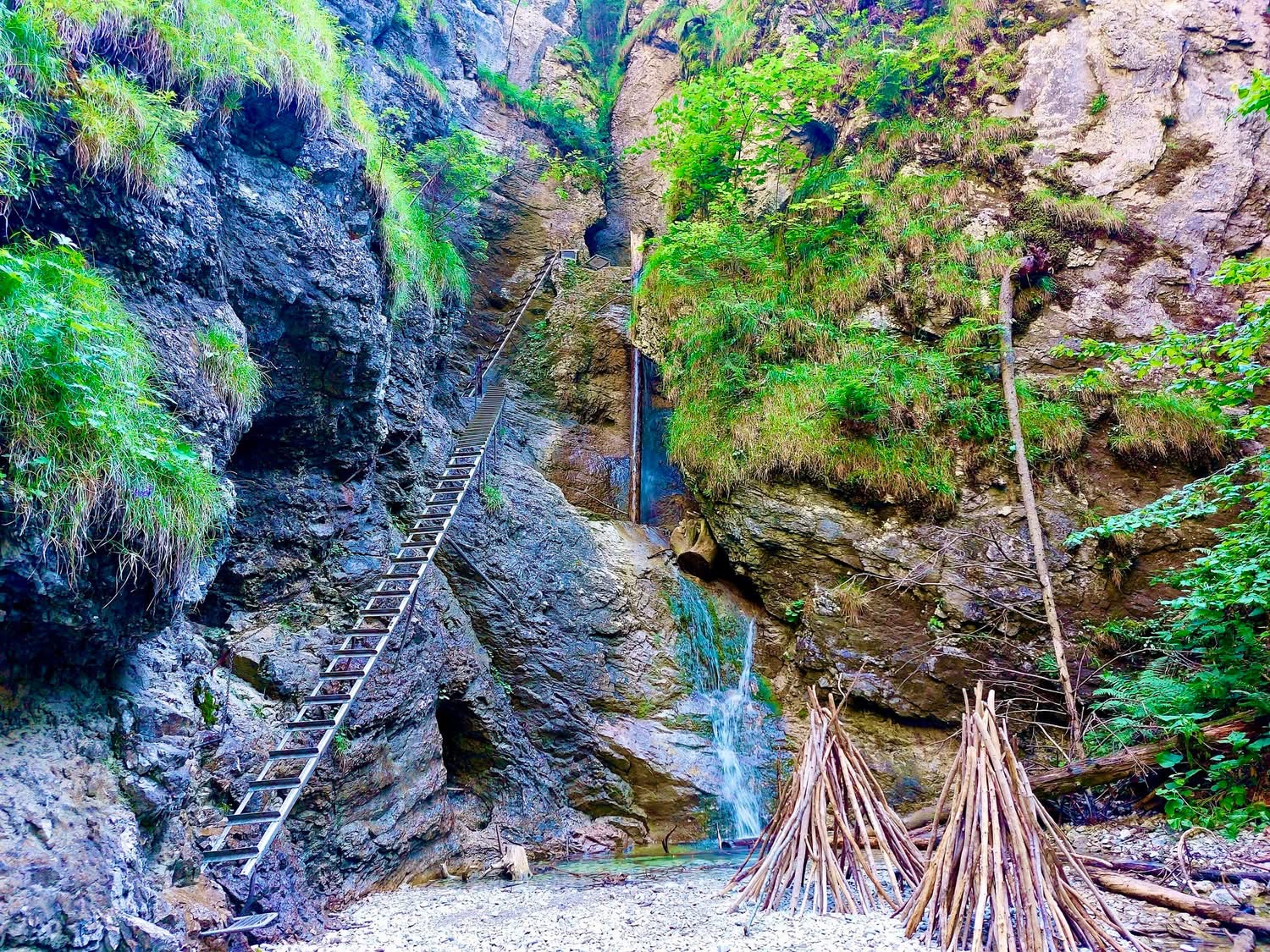
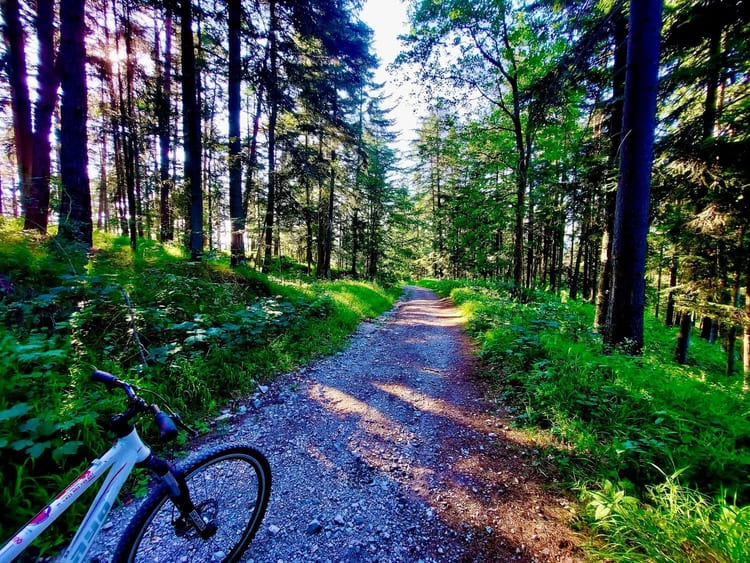
Of course, I couldn’t stay in Slovakia without visiting Slovenský raj (Slovak Paradise) in the Carpathians. Here, I discovered spectacular hiking trails: about 13 easy trails, around 10 more challenging routes through gorges and canyons, and cycling circuits. The park is famous for deep gorges, stunning waterfalls, vertical rock walls, dense forests, alpine meadows, and impressive caves. Hiking trails include ladders, ropes, and metal walkways, turning hikes into true adventures for adrenaline seekers. Some of the most famous attractions are Suchá Belá, Piecky, Kyseľ, and Hornád Gorge, where you can walk across suspended bridges over waterfalls and mountain streams.
Slovakia is also a land of caves—nearly 6,000 underground formations, a few of which are open to visitors, such as Domica, Demänovská, Harmanecká, and Dobšinská Ice Cave.
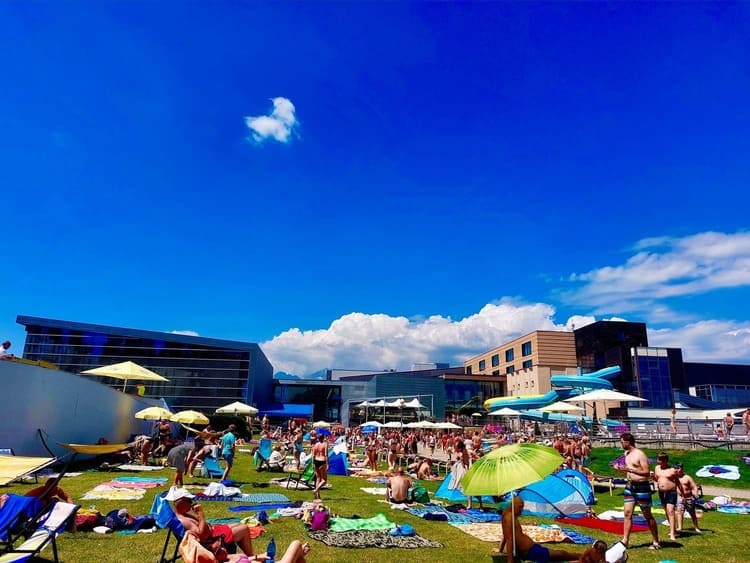
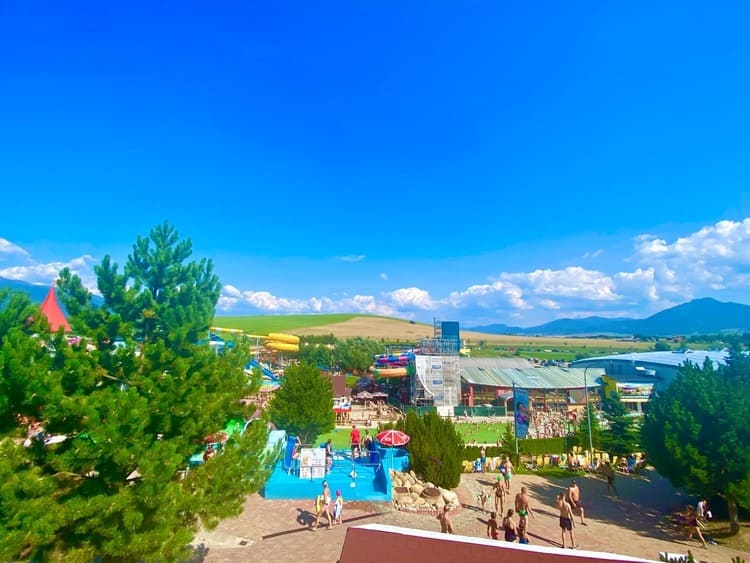
And to complete the relaxation, Slovakia offers a multitude of thermal baths and water parks, the “Slovak Sea,” as they call it: Bešeňová, Tatralandia, Poprad, Senec—all guaranteed fun. Mineral springs, used for medical and spa purposes, attract thousands of visitors from around the world. Renowned thermal baths include Turčianske Teplice, Trenčianske Teplice, Rajecké Teplice, and Piešťany.
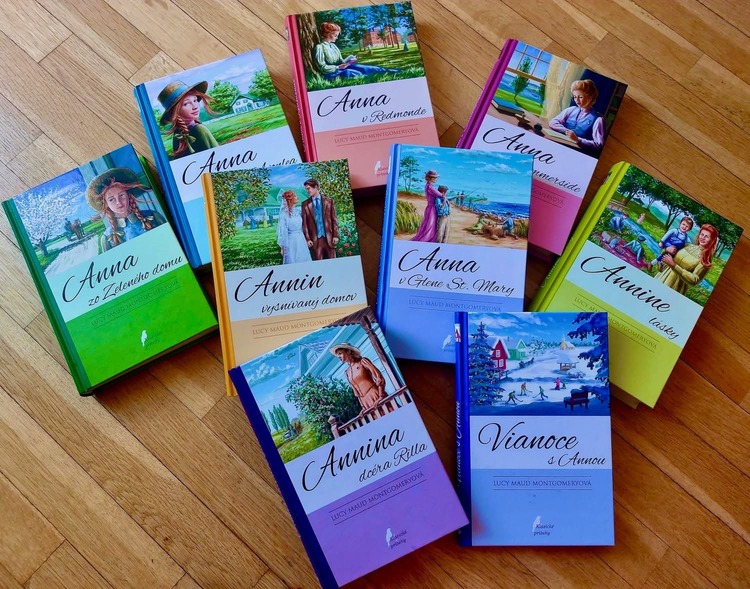
Slovakia is a place where nature, history, beauty, ease, and relaxation blend harmoniously. Here, among landscapes, nature, castles, spas, parks, ski slopes, and books, I truly felt what relaxation and the joy of living mean. This was when I was at peace with myself and eager for fulfillment.
Because it’s not easy for silence to scream within you and for you to listen calmly.
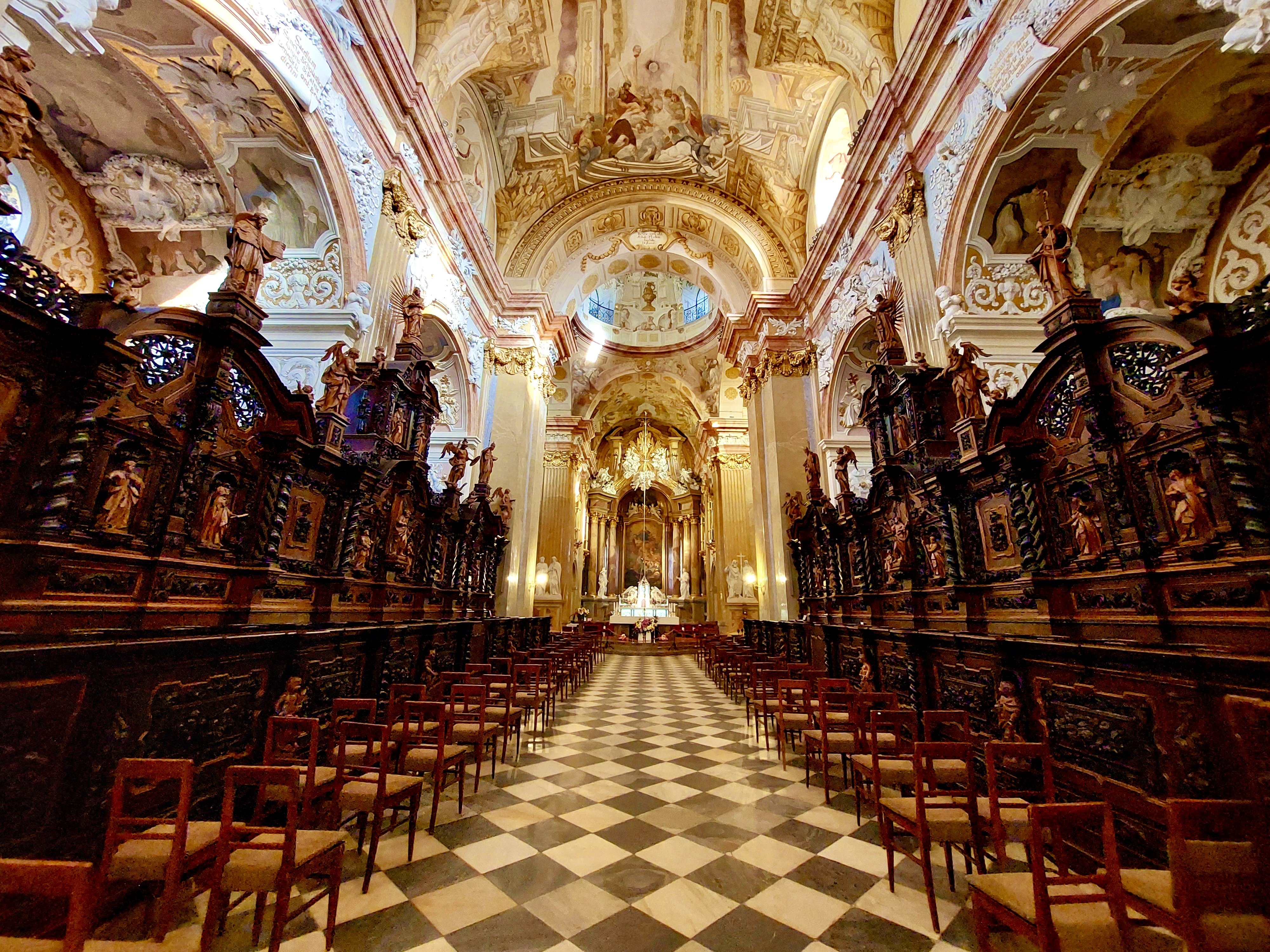
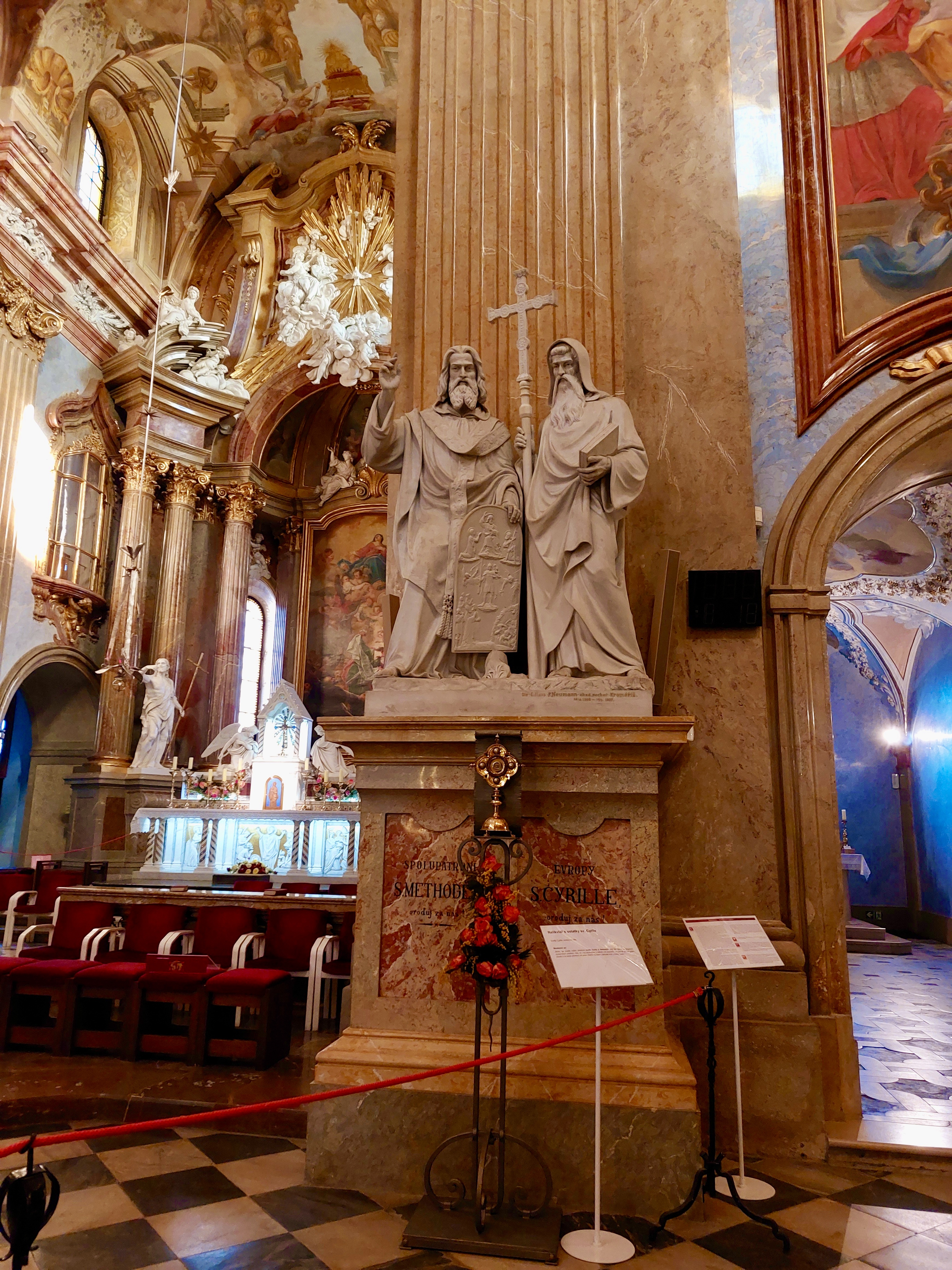
Czechia is the country from which Christianity spread, especially among the Slavs of Central and Eastern Europe, with Velehrad considered the Moravian city where Saints Cyril and Methodius began their mission. The two brothers, known in history as the “Apostles of the Slavs,” aimed to promote religious services in the Slavic language instead of Latin. Later, Czechia gave the world Jan Hus, the 15th-century religious reformer, and today it is one of the most atheist countries in the world, with a majority of the population declaring themselves non-religious.
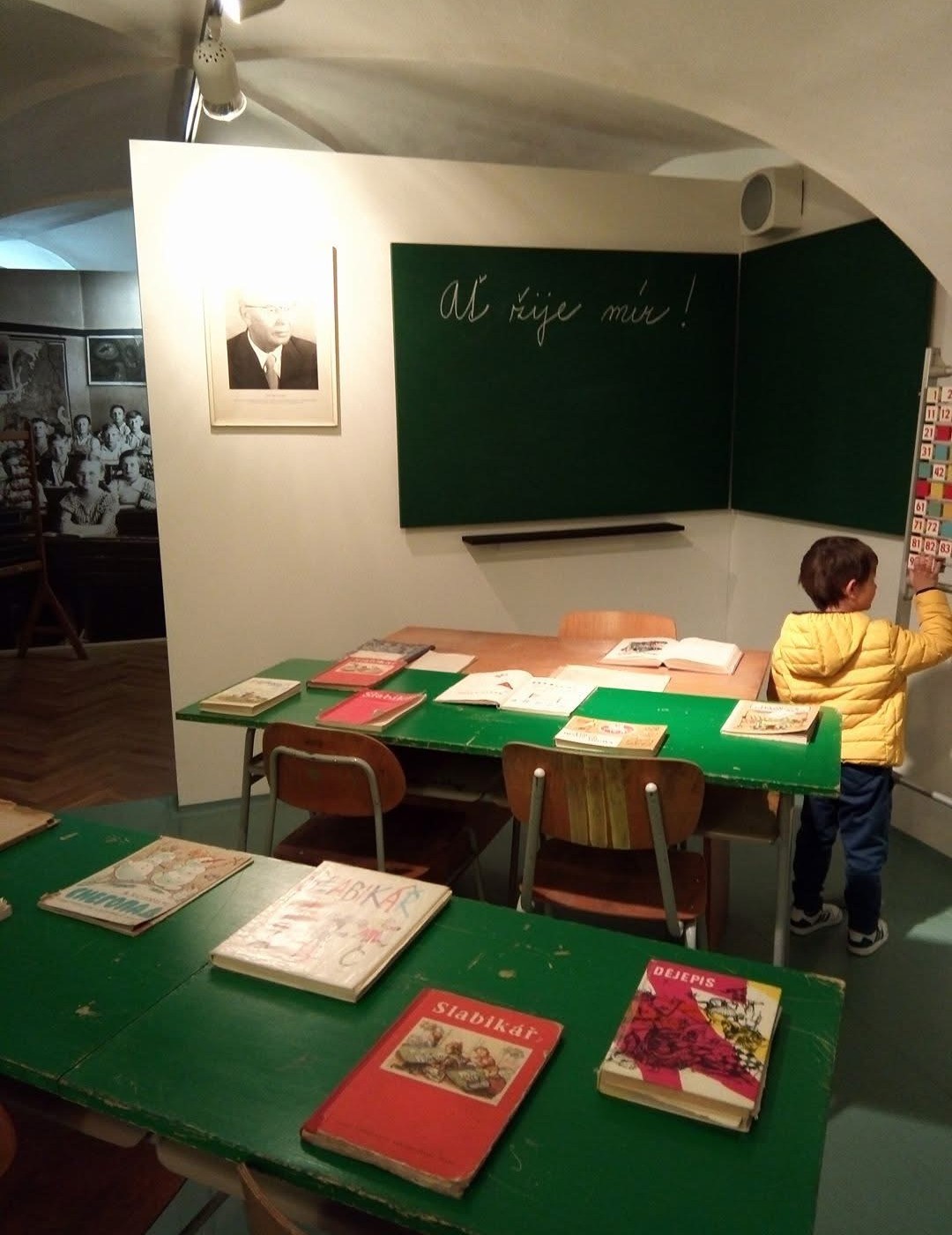
Czechia is the country that gave the world Jan Amos Comenius, the father of modern pedagogy, to whom we owe the organization of schools into classes, lessons, and subjects. Later, it also gave birth to Sigmund Freud, the founder of psychoanalysis, who forever changed the way we understand the human psyche, the influence of the subconscious, and, in short, thought us how everything ultimately stems from what’s in our pants.
Between these extremes, I have learned to navigate so I could discover it and, at the same time, discover myself.
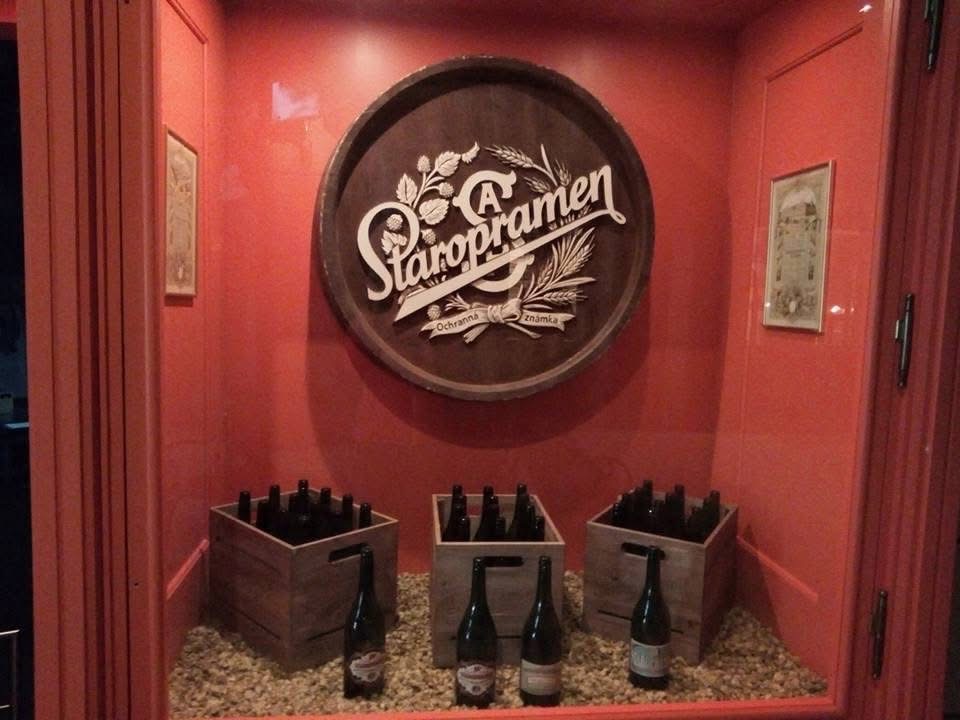
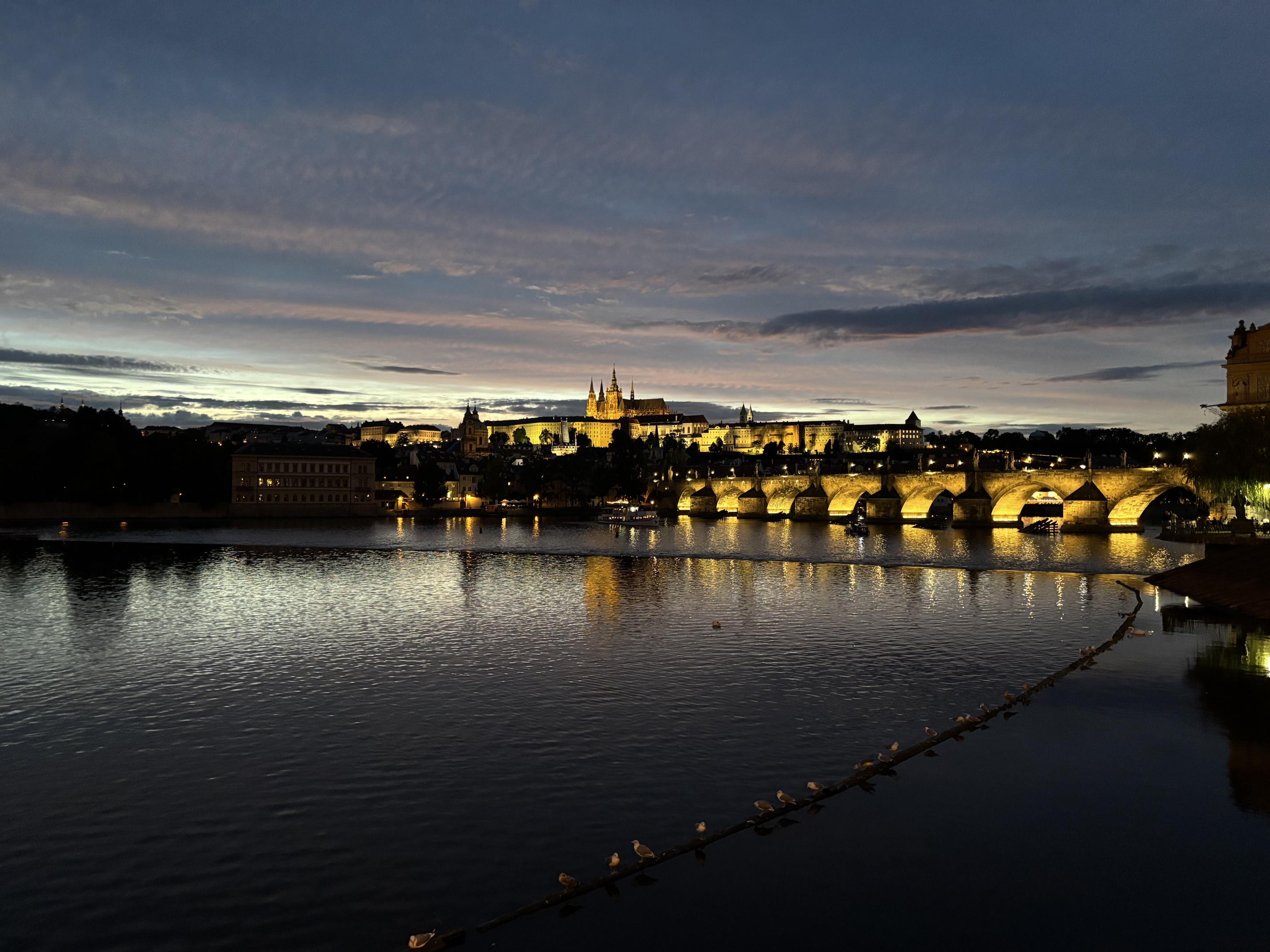
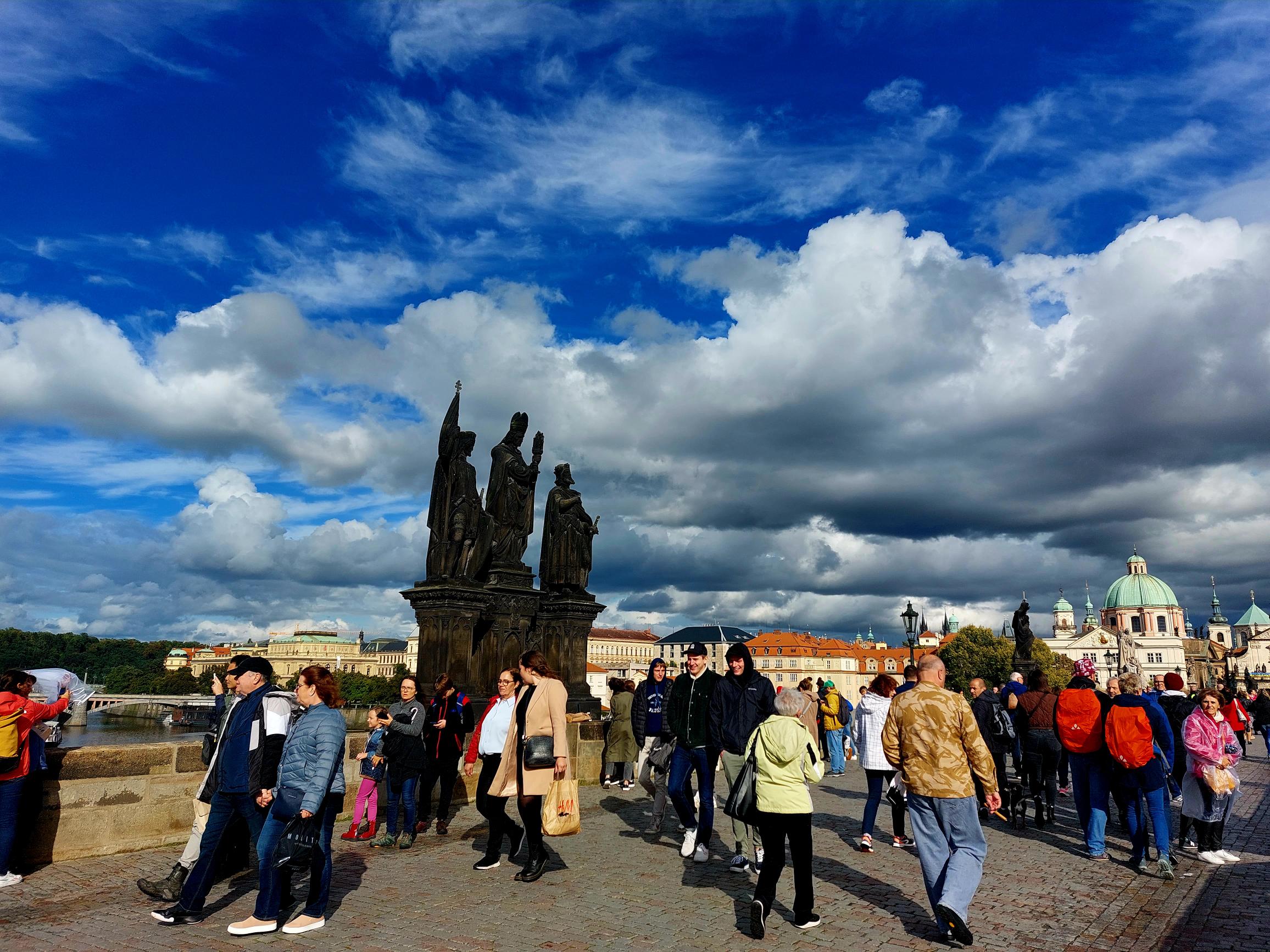
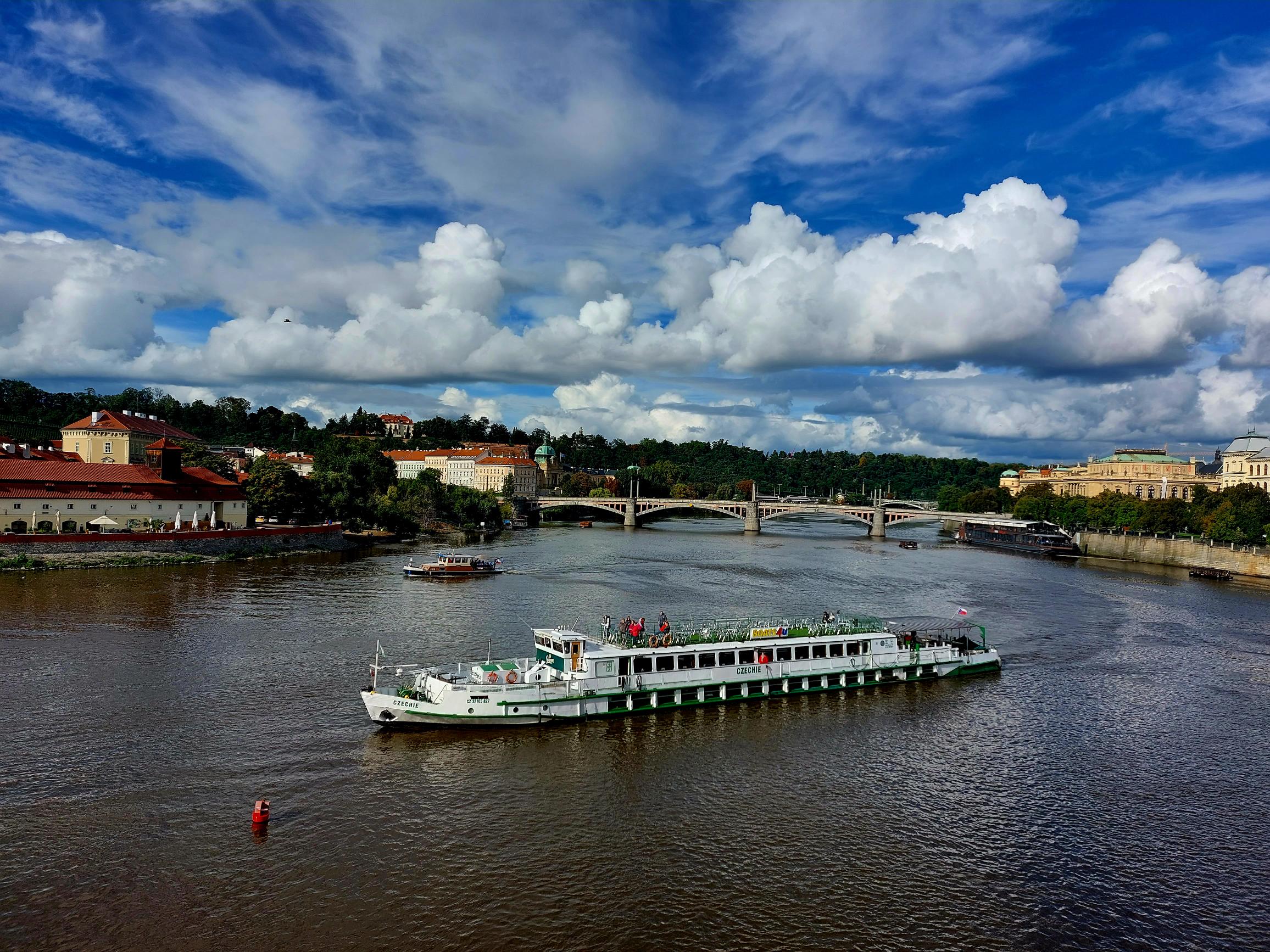
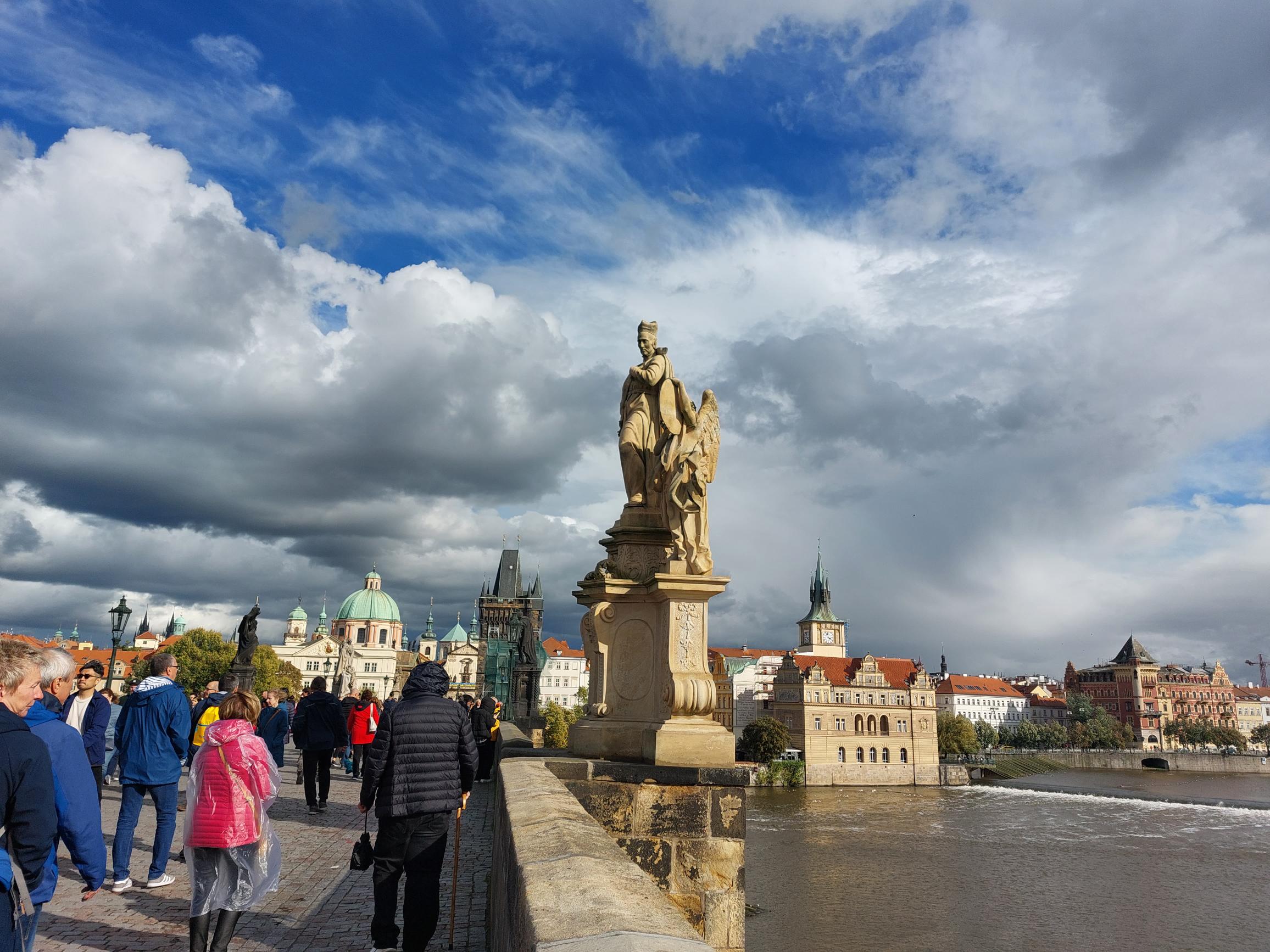
I started with Prague, which remains equally fascinating in any season and at any hour: elegant, cultural, full of history, simply irresistible. I tried multiple times. I even stayed for a while with the impression that Czechia was just Prague. I followed the footsteps of many personalities. I won’t even try to list all the figures who lived, sang, wrote, or were inspired by this city, because the list would be endless. I followed history, culture, education, landscapes, water, beer, food... and I can’t even say which mattered most.
But at some point, I succeeded. What I mean is that if it weren’t enough that Prague is a jewel in itself, it is also situated right in the heart of Czechia and serves as the key to the Bohemian kingdom. Since the country is not very large, from this “center of beauty,” you can easily explore everything around it, carrying the key and beauty of the metropolis in your heart.
About 1 hour and 30 minutes east of Prague, a world seemingly taken from fairy tales begins.
Narrow roads, barely wide enough for two cars, wind among hills and valleys, climbing and descending through emerald-green forests and fields. At the windows of flower-filled houses, you feel as if you’ve stepped into a storybook. This is how you discover, as much as time allows, Český ráj (Czech Paradise) – the Bohemian Paradise.
Bohemian Paradise is a magical land, an imaginary triangle between the towns of Turnov, Jičín, and Mladá Boleslav. You can wander through these places as far as your feet carry you: castles, forests, hiking trails, spectacular rock formations, and all kinds of other wonders reveal themselves as you let yourself be captivated by the beauty of the surroundings.
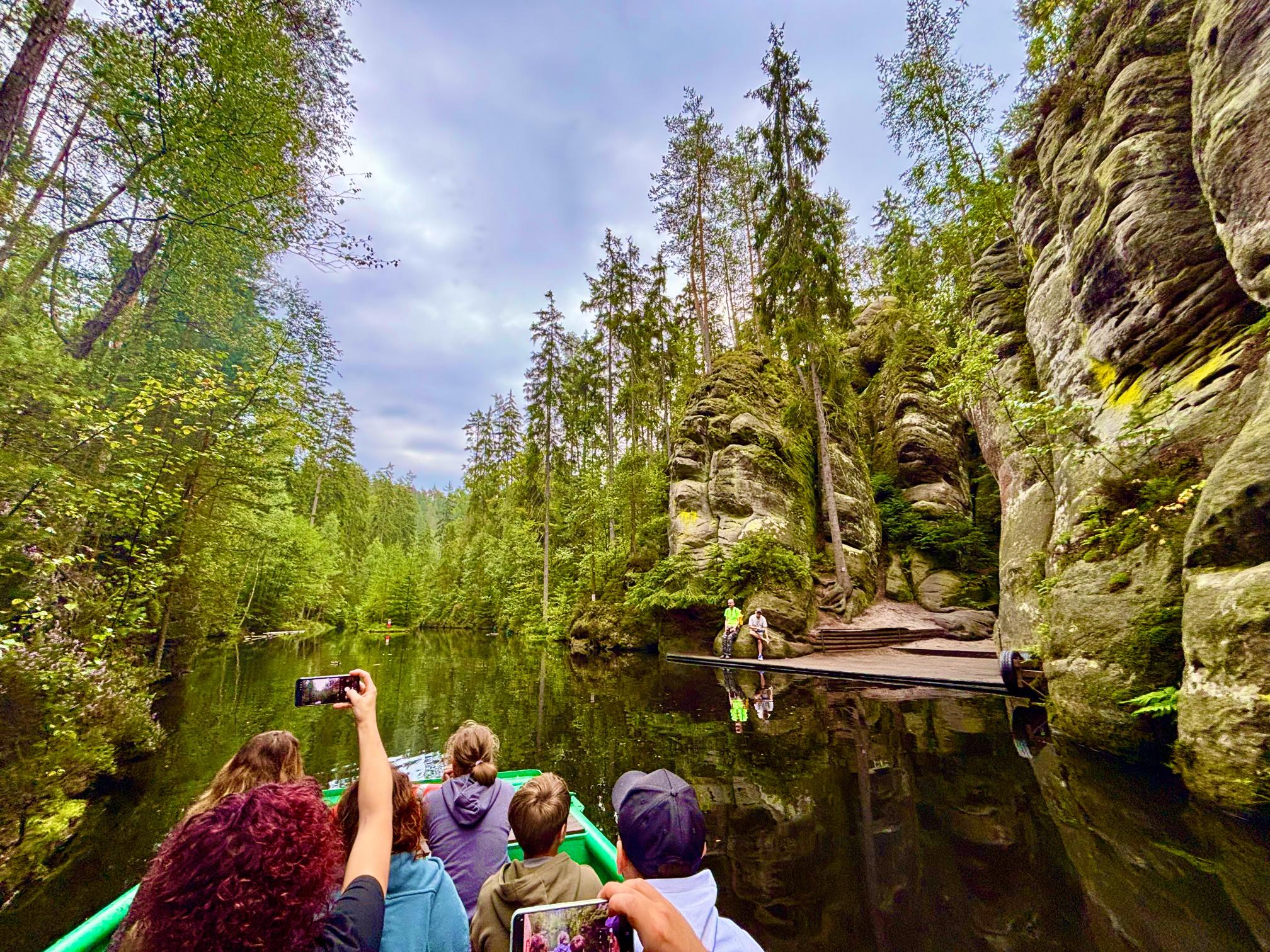
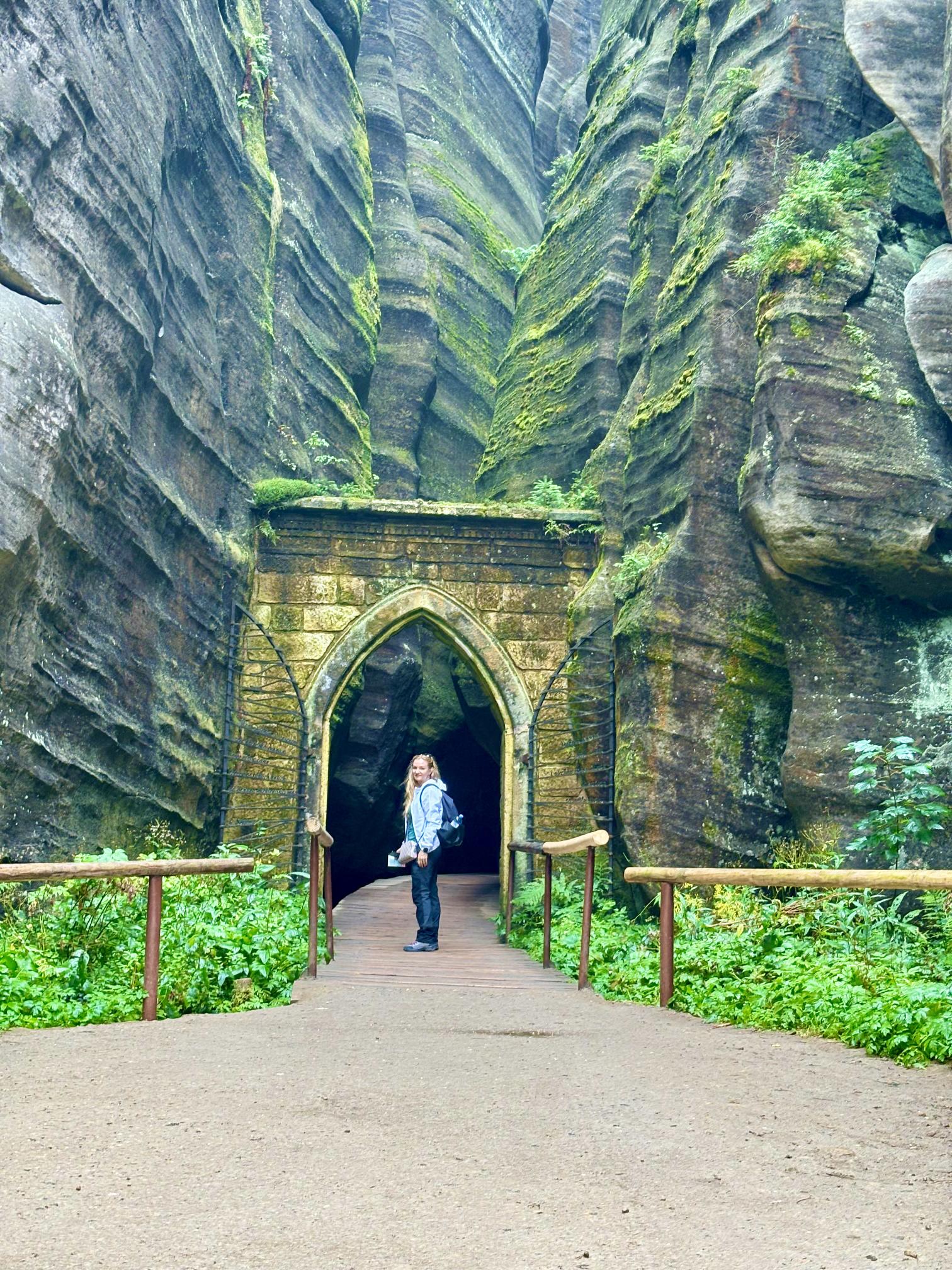
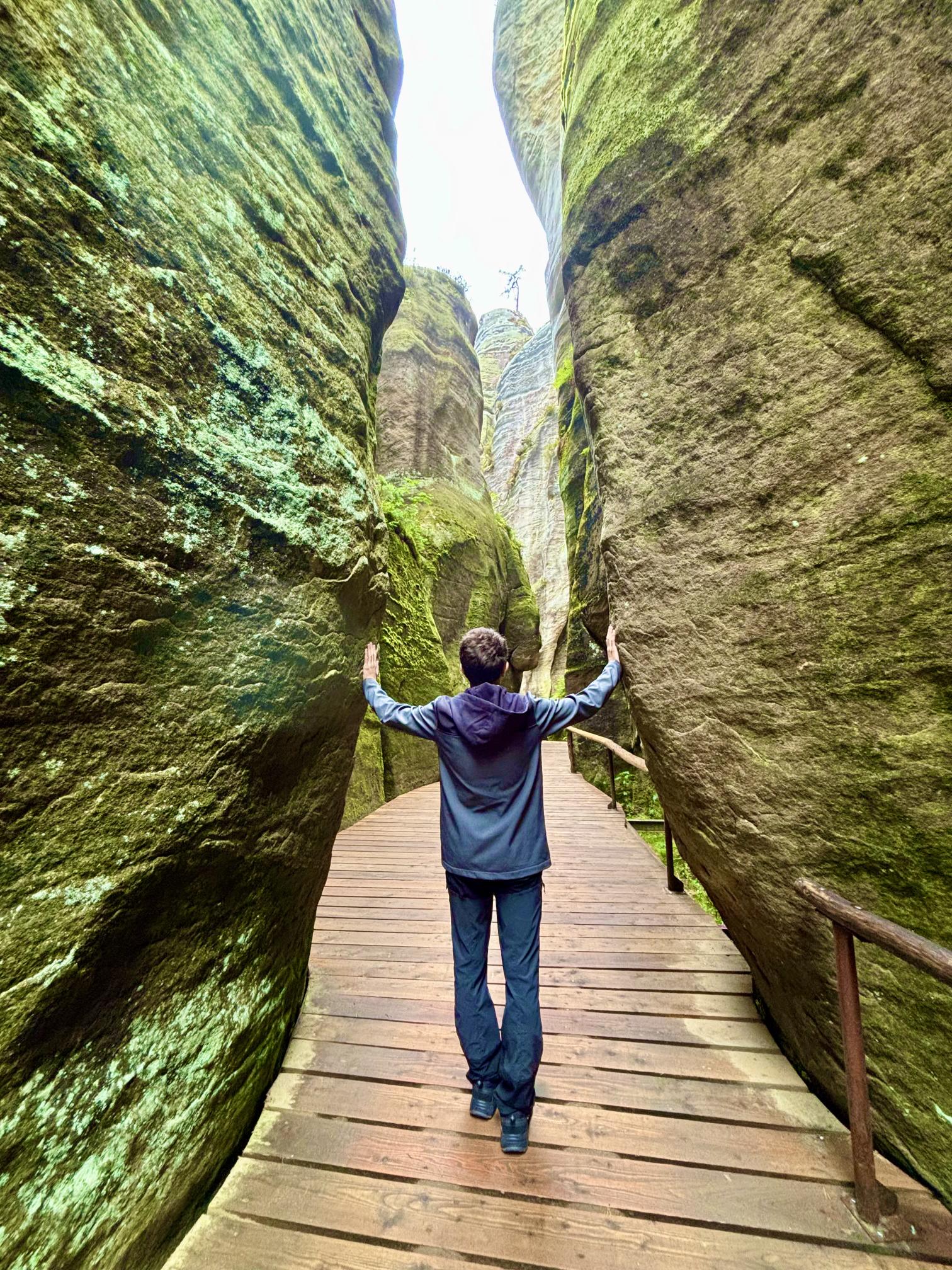
But the true wonder, a place worthy of Middle-earth, is the Adršpašské skály rocks. Thousands of stone formations, millions of years old, guard a land seemingly from another dimension. You wander among them as if on a film set: on foot, by boat, climbing higher and higher to see them from above, after craning your neck to admire them from below. I like to believe that each rock has its own story, especially since Goethe himself wandered here—I cannot imagine he didn’t give them names: Elephant Square, The Lovers, The Mayor and the Mayoress, and many others.
A unique place, truly unmissable in Czechia.
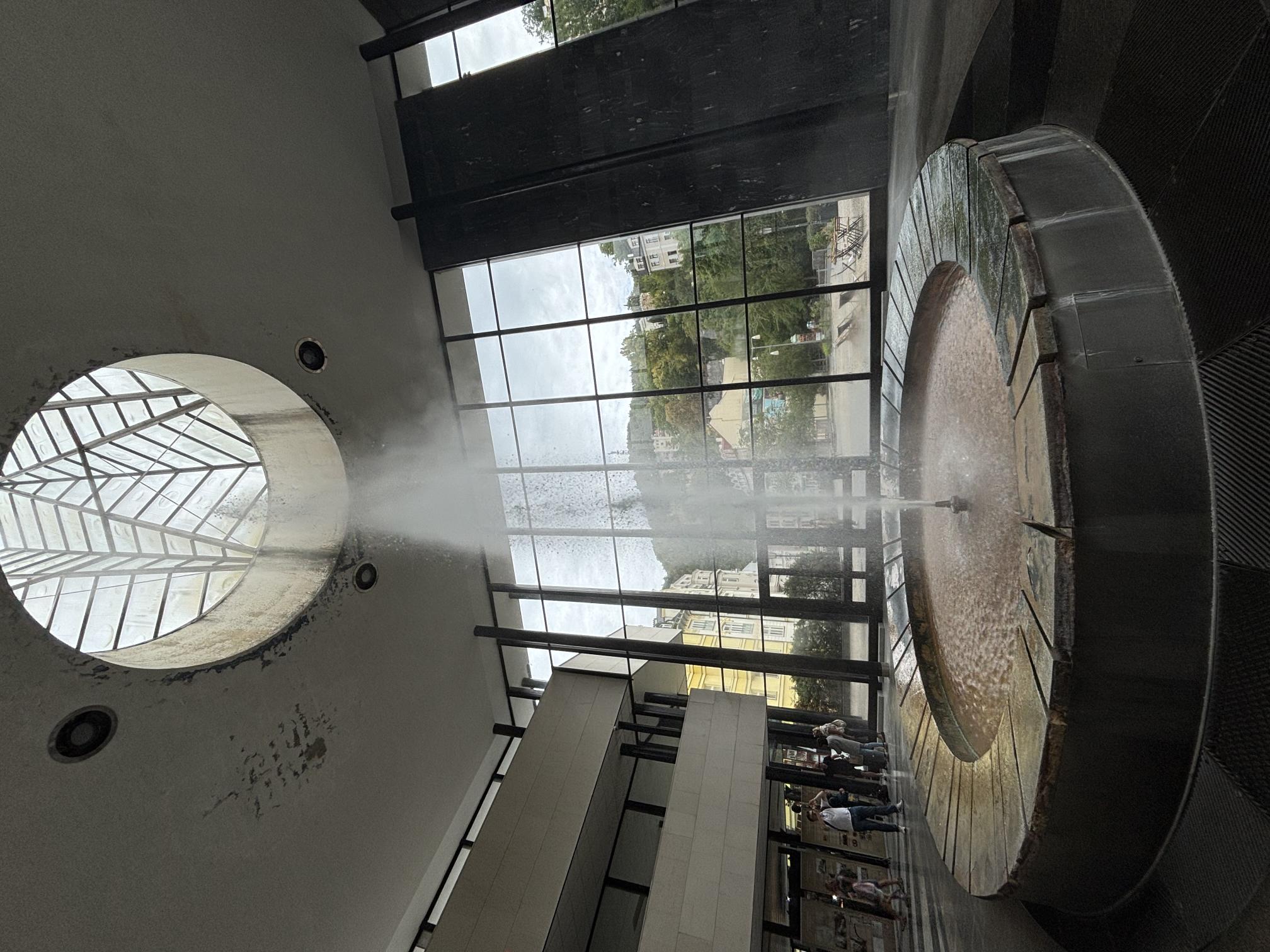
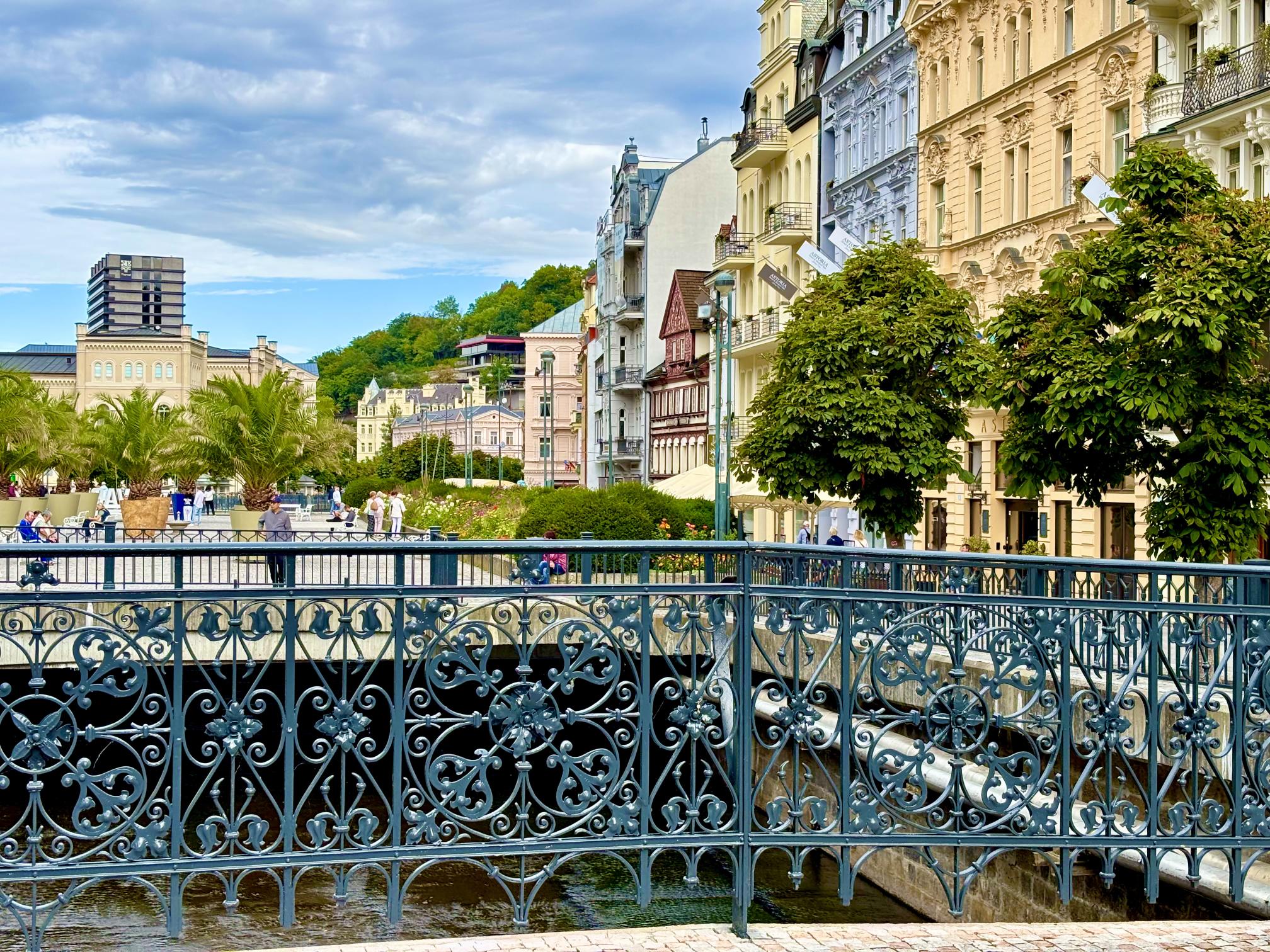
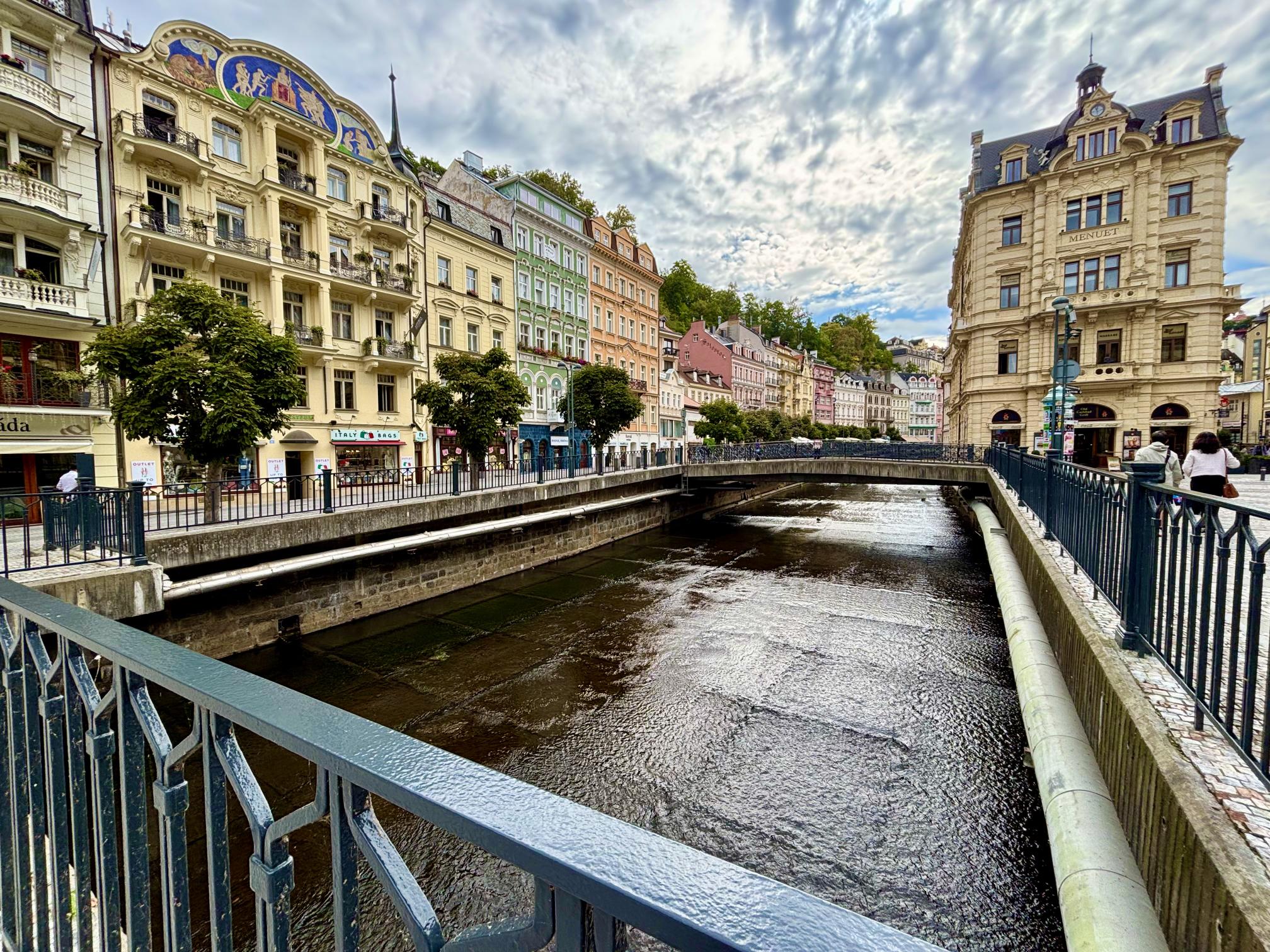
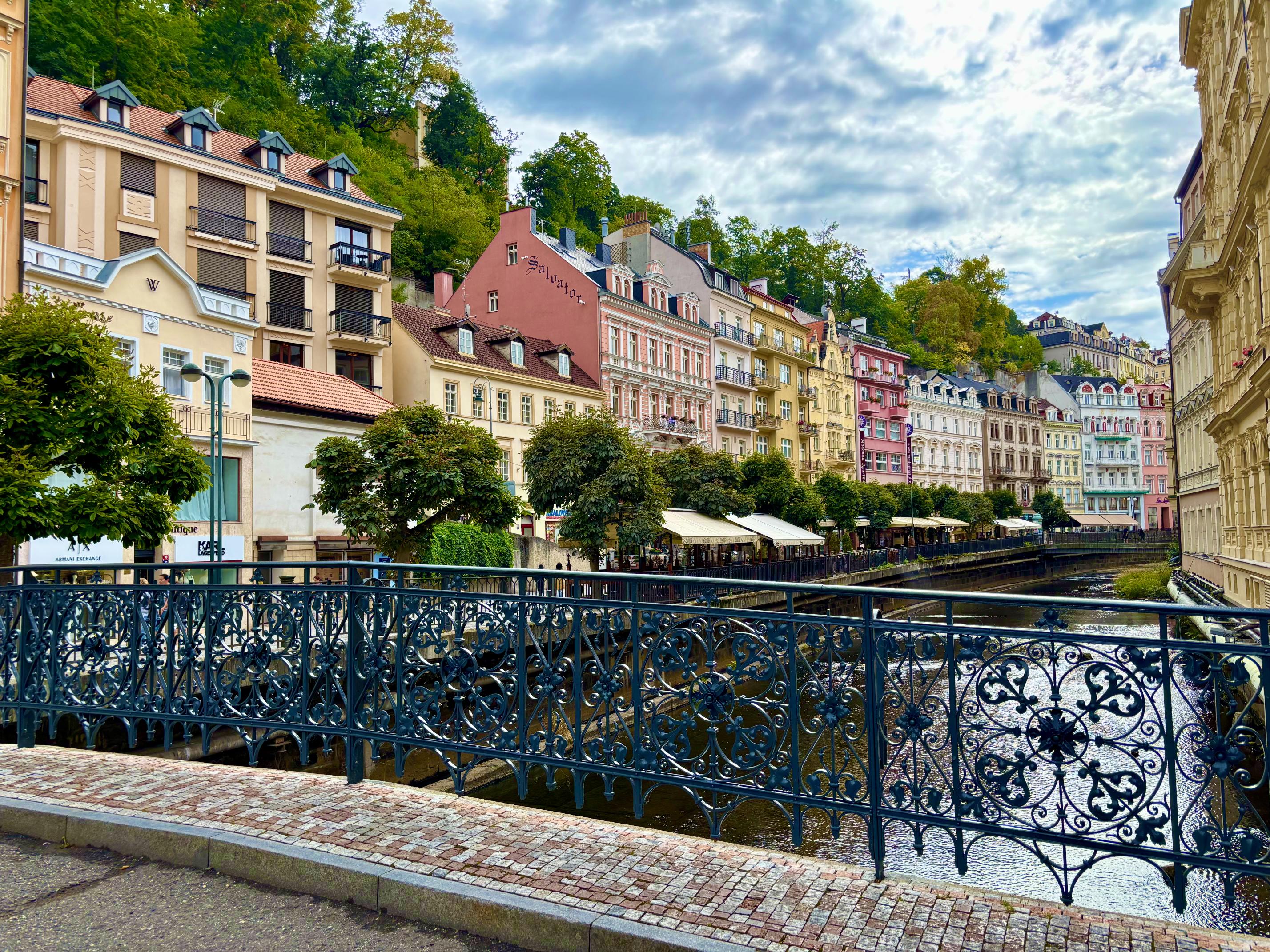
About 1 hour and 30 minutes west of Prague lies Karlovy Vary, where nature and history meet in an eternal dialogue.
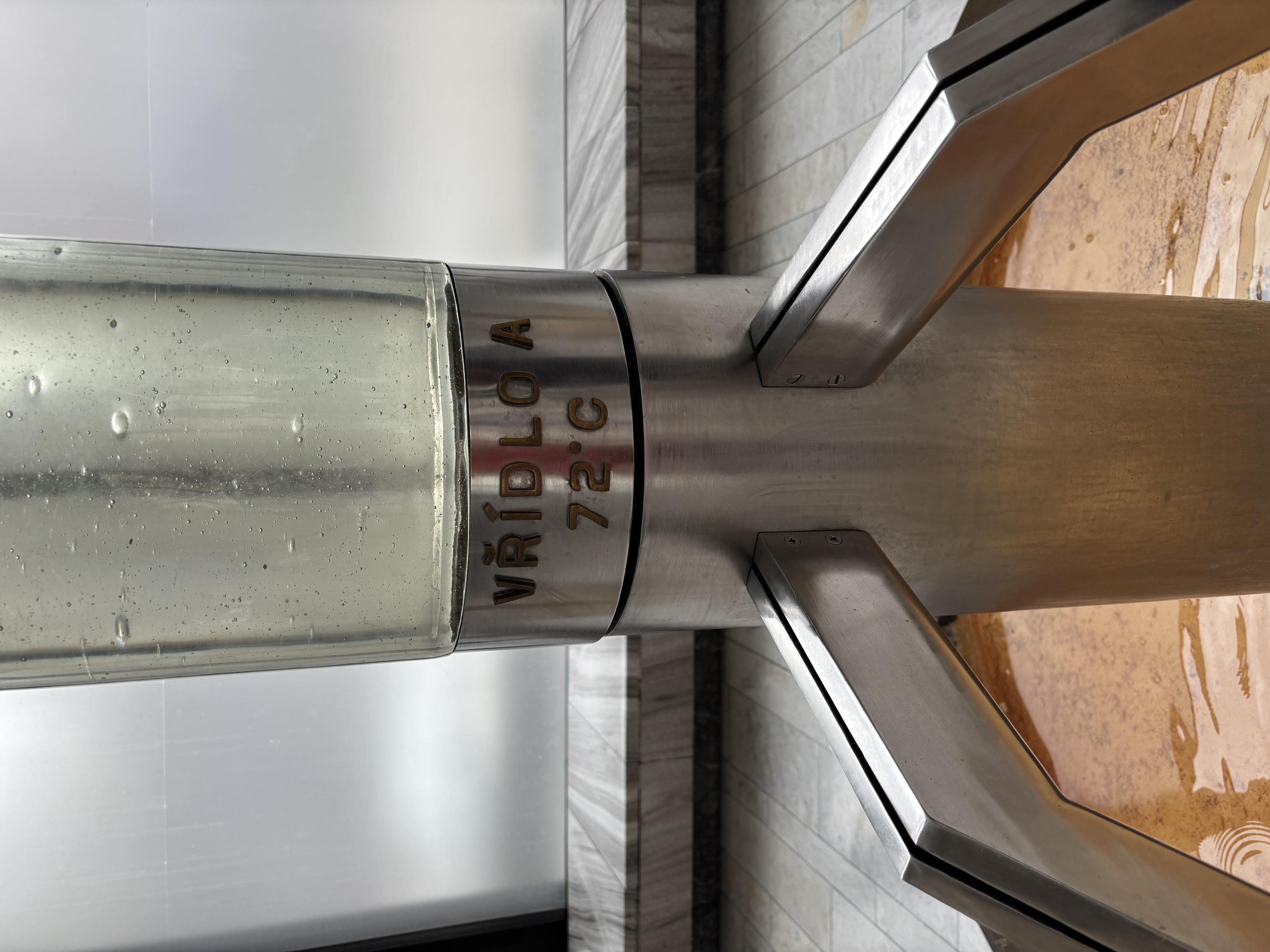
Founded in the 14th century under the patronage of Charles IV, Holy Roman Emperor and King of Bohemia, the city developed around the miracle of its hot springs—more than a dozen in total—with temperatures ranging from 28°C to 72°C. By the 19th century, this hidden valley in western Czechia had become Europe’s salon: emperors, poets, and musicians came here not only to enjoy the healing waters but also the company of refined minds. War dimmed its shine for a while, but after the Velvet Revolution, the city awoke again, and its colonnades now echo with visitors’ footsteps.
Today, Karlovy Vary remains the most visited spa town in Czechia, a living gallery of 18th–20th century architecture, and its historic center is preserved as a monument to the elegance of another era. The melancholy of those times is still present. Since 2021, it has been recognized by UNESCO as one of the “Great Spa Towns of Europe.”
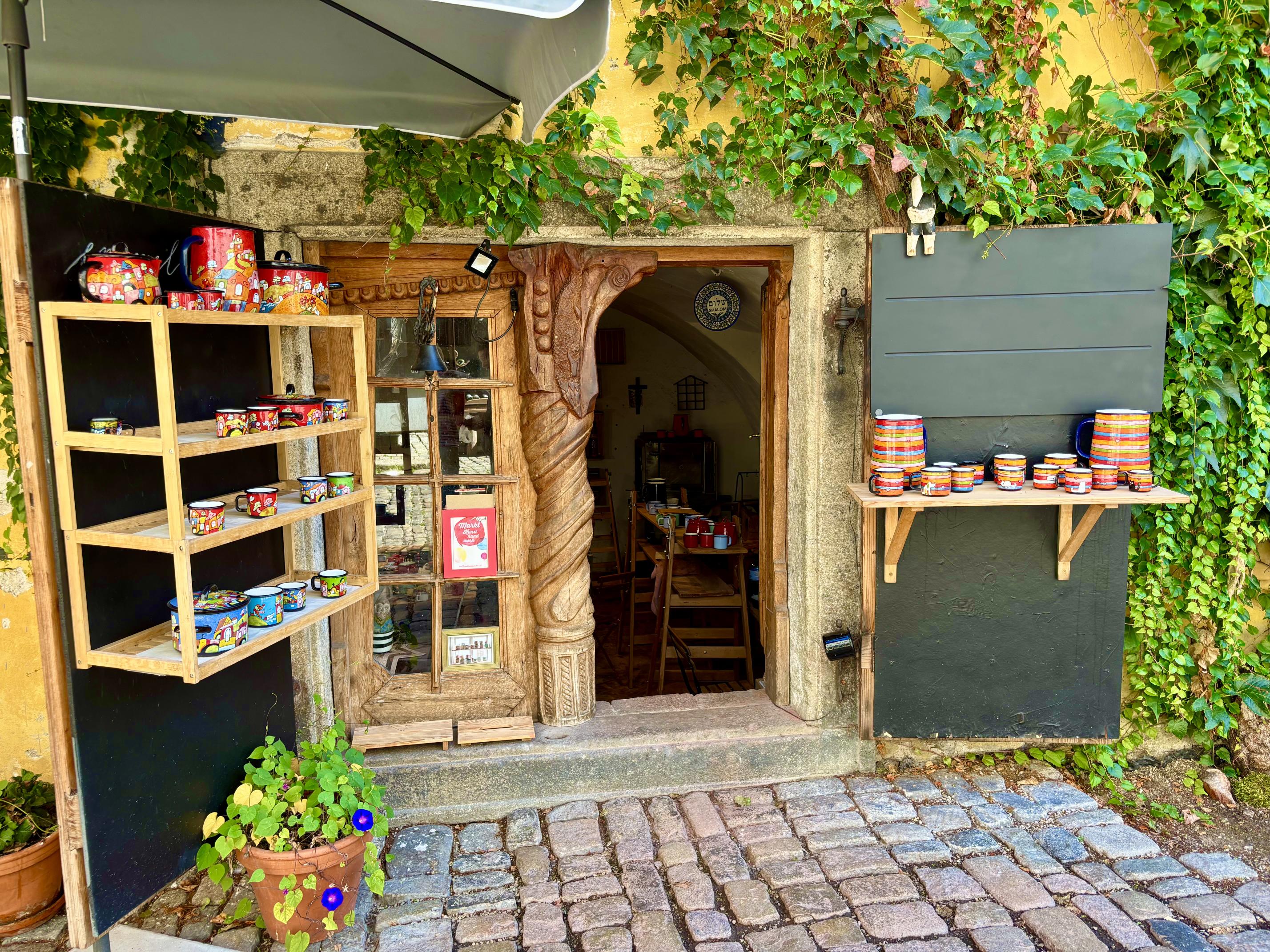
Don’t forget to buy a Bohemian crystal mug and taste the mineral-rich water while strolling through the spa town in search of the springs… of life.
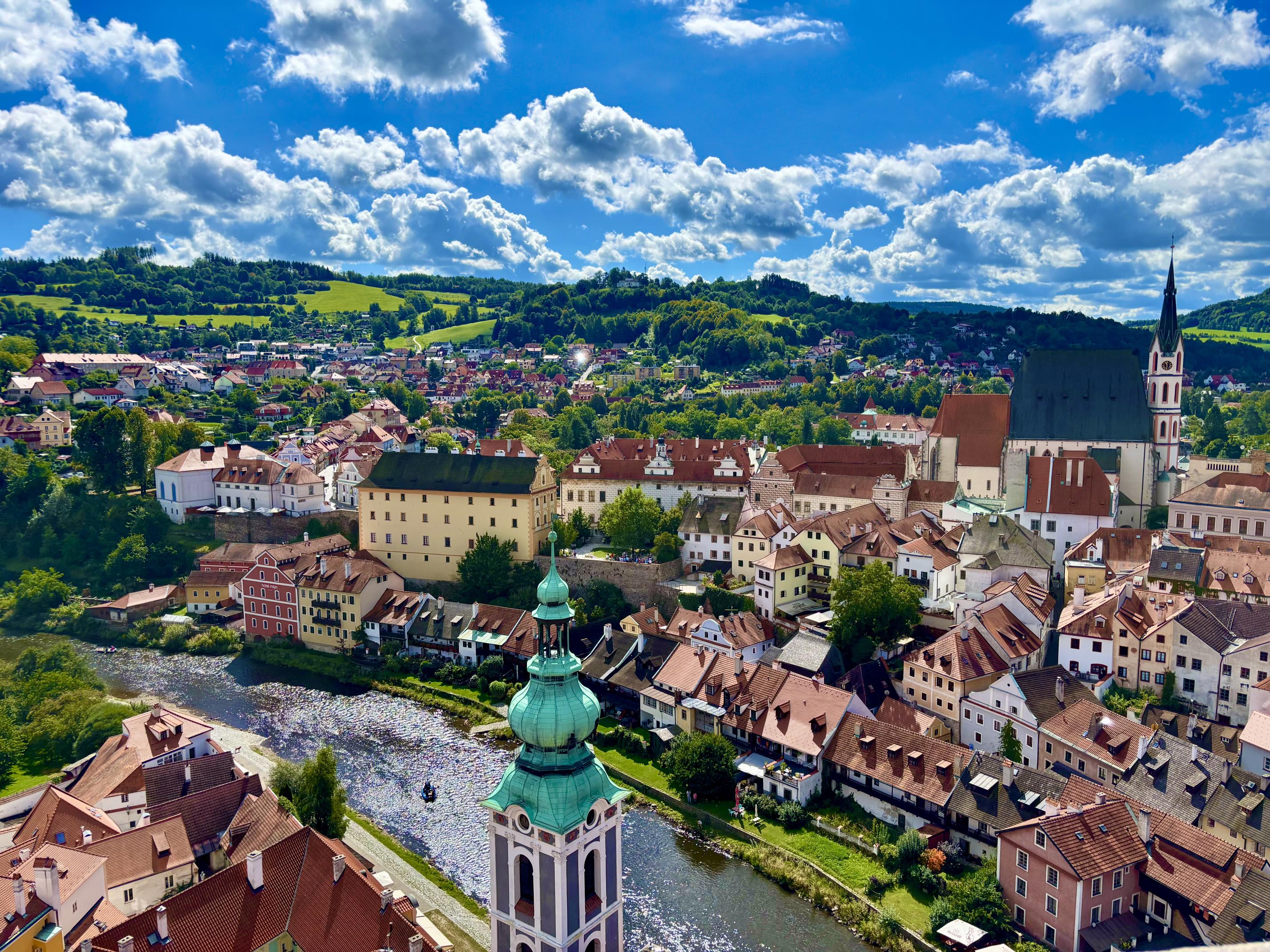
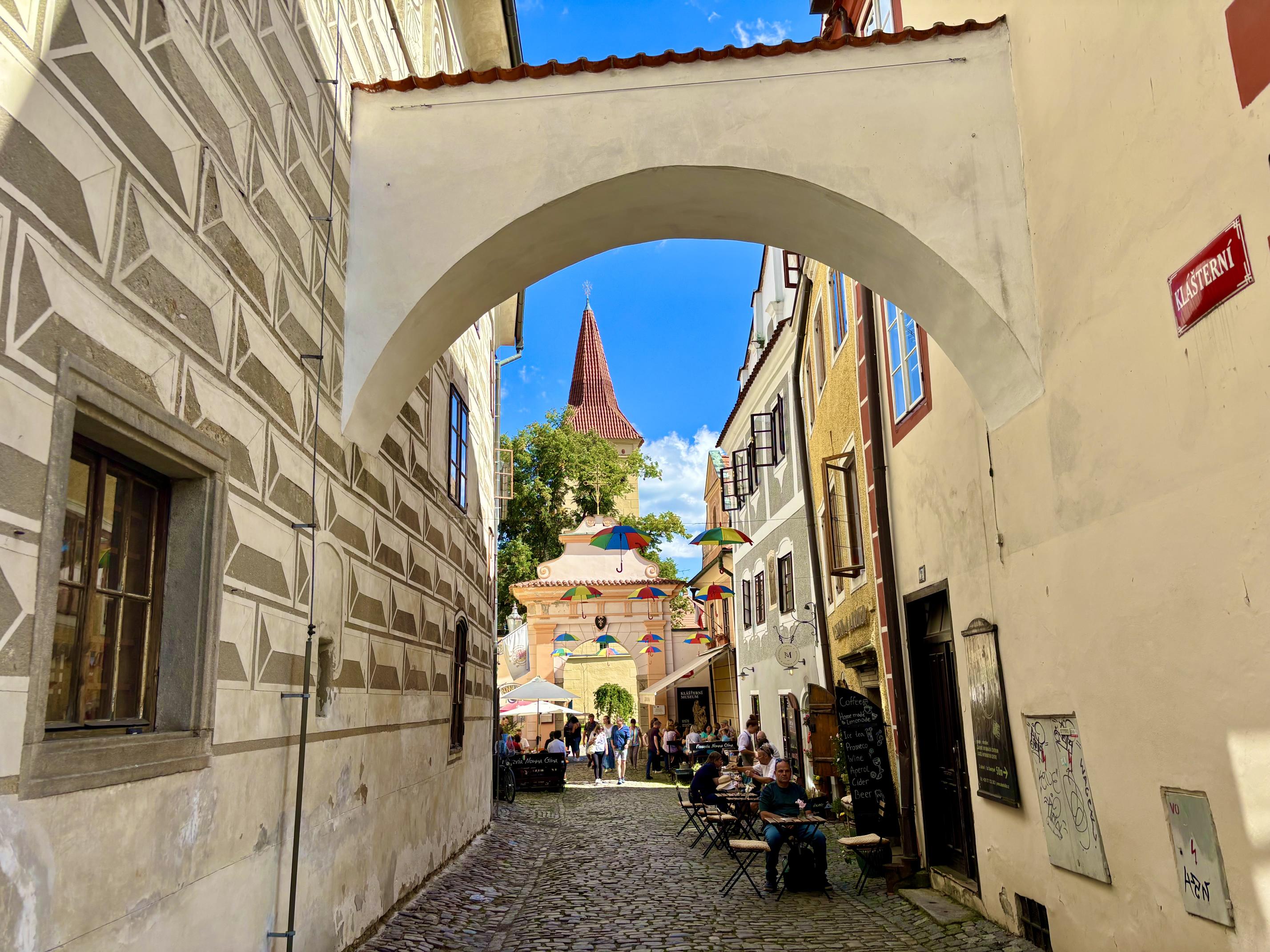
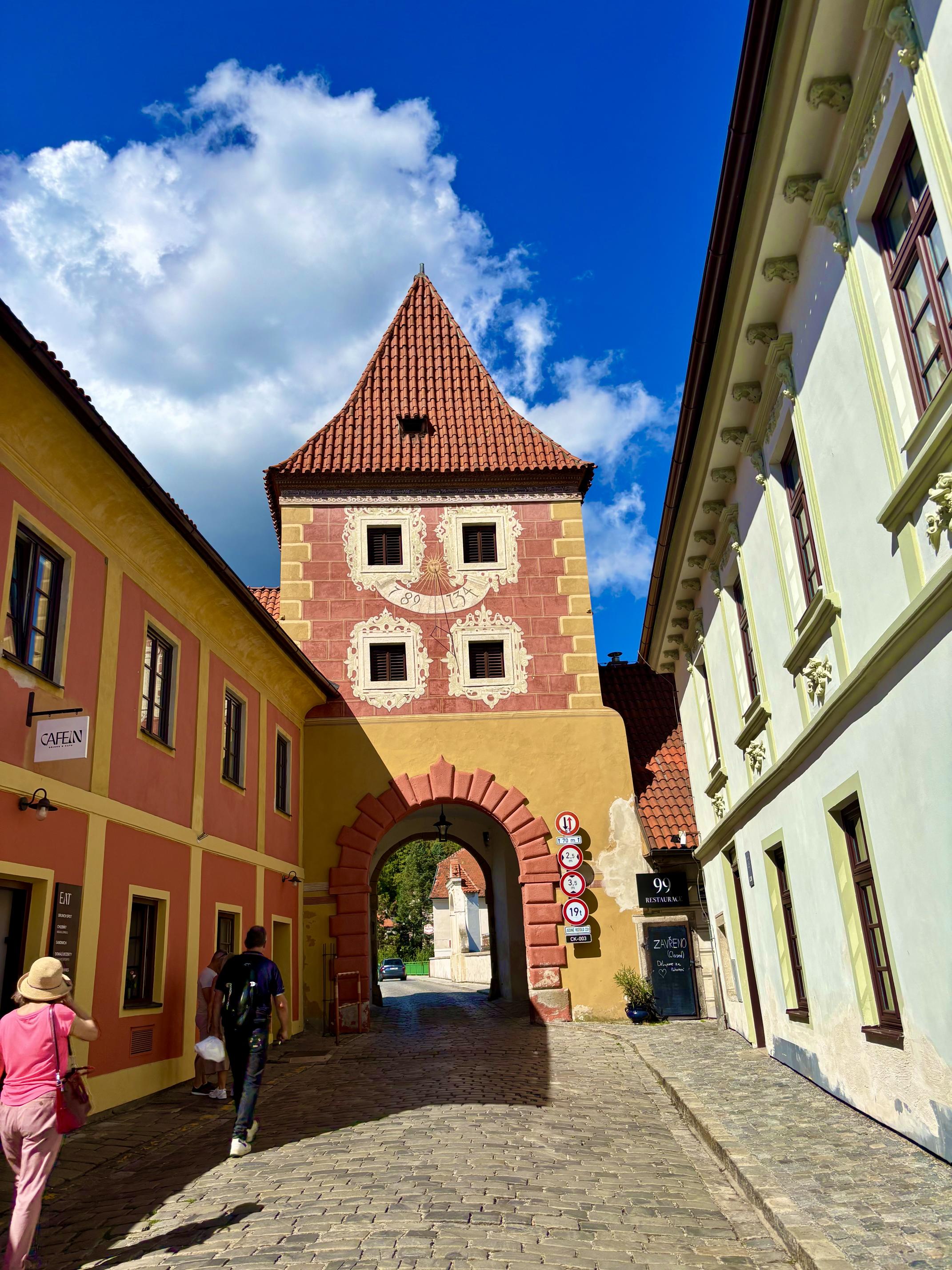
About 1 hour and 30 minutes south of Prague lies the cultural museum city of Český Krumlov.
Declared by National Geographic as the 16th most beautiful historical site in the world and with a population of only 12,000, Český Krumlov is the most visited urban reserve in Czechia and is included on the UNESCO World Heritage list. After Prague Castle—the residence of the Czech kings—Český Krumlov Castle was the second-largest noble residence in the kingdom. Over history, the local nobility rivaled that of the capital. Today, the city also houses the second-largest castle library in Czechia, a true cultural treasure.
The city’s origins date back to the 13th century on the banks of the Vltava River. Its name comes from “Chrumbenowe” (Krummau), meaning “crooked meadow,” referring to the city’s layout. The first noble family mentioned is the Witigonen-Vítkovci, divided into several branches, each with a rose of a different color in their coat of arms. The city’s founding dynasty had a green rose, while their successors, one of the most powerful families in the Czech kingdom, the Rosenbergs (Rožmberkové), had a red rose. Beyond the castle, with its spectacular annexes—tower, gardens, bridges, unique Baroque theater, churches, and monasteries—the city promotes its history through every building. Among them: house no. 53, where the alchemists of Wilhelm von Rosenberg’s court lived; house no. 39, decorated with a fresco of the Rosenberg family on horseback; house no. 104, testimony of old fortifications; Lazebna (no. 1), with a unique history; Fairy Tale House (no. 29), considered the oldest residence in Krumlov, which also has a Joker on its upper floor, of curse.
Český Krumlov is not just a fairy-tale setting, but also a place where Czech history, architecture, and culture have been preserved in their most authentic form. Visiting it gives you a chance to understand the soul of Czechia, in the heart of a museum city that breathes heritage at every step.
About 1 hour and 30 minutes north of Prague lies Bohemian Switzerland National Park (České Švýcarsko)—one of the most spectacular places in Czechia, with landscapes that seem straight out of a fantasy film.
Here, you’ll find a world sculpted in sandstone: deep canyons, giant rocks, strange natural formations, dense forests, and trails weaving between vertical rock walls. Pravčická brána, the largest natural sandstone arch in Europe, is the park’s symbol, impressive in both size and beauty. The Kamenice River gorges, where you walk on wooden footbridges clinging to rocks and ride boats guided by locals, immerse you in a fairy-tale atmosphere and prepare you for panoramic viewpoints such as Mariina vyhlídka or Rudolfův kámen, from which the entire region spreads like an ocean of rocks and forests. Traditional villages, with old wooden houses in Czech style hidden among the mountains, complete the magic and bring the places to life.
A corner of the world where you forget time, and everything you see seems more painted than real.
That’s Czechia: it doesn’t reveal itself to everyone and isn’t easily discovered, but if you’re lucky enough to capture its magic, then you can truly say you are privileged.
Germany is infinite, multilayered, and overwhelming.
Germany is the country where, for years, I have felt a deep desire to live—a desire that has never faded. And yet, at the same time, I also feel a fear that I would never be fully accepted or fully integrated there. Germany sometimes feels too big, too serious, too complex to truly belong to it. In Poland, Slovakia, or Czechia, I immediately felt at home; the doors open more easily there. In Germany, however… it feels like you have to knock harder and know exactly what to say. And then, if you don’t say the right thing, you don’t even know what you did wrong to correct it; you remain enveloped in fog for a long time, and this fog is heavy.
And yet, perhaps that is exactly why it fascinates me. Germany has everything—absolutely everything—and maybe too much of each thing. I have visited it extensively, both alone and with my family, and it is still hard to describe: each region is a world, each city a separate universe. With each trip, we experience something new, always unique and fascinating.
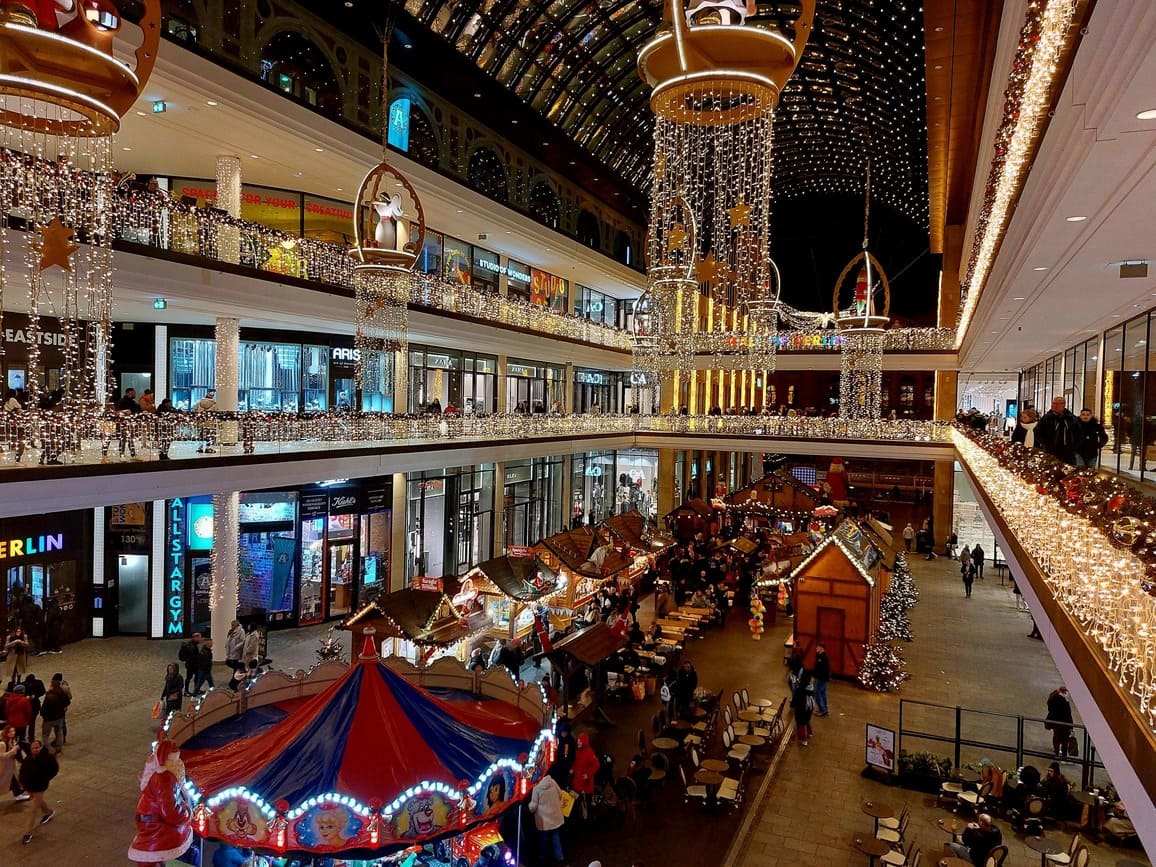
Berlin was the first city where we began our constant travels after Emil arrived, especially when he turned three. Berlin is the city where, if you want to see with your own eyes what east and west mean, you climb the TV Tower and perfectly observe how the city changes: where one ends and the other begins. A living testimony of two different worlds. And my conclusion remains the same: never the east! With so much history behind it to shake all of Europe, Germany has learned, at any time, to reconcile, rebuild, and rebuild itself from scratch, on moral and dignified foundations, and to show the world through actions, not patriotic chest-thumping, that no matter how low you’ve fallen, you can always rise again—better, stronger, more beautiful, dignified. A sublime lesson in history!
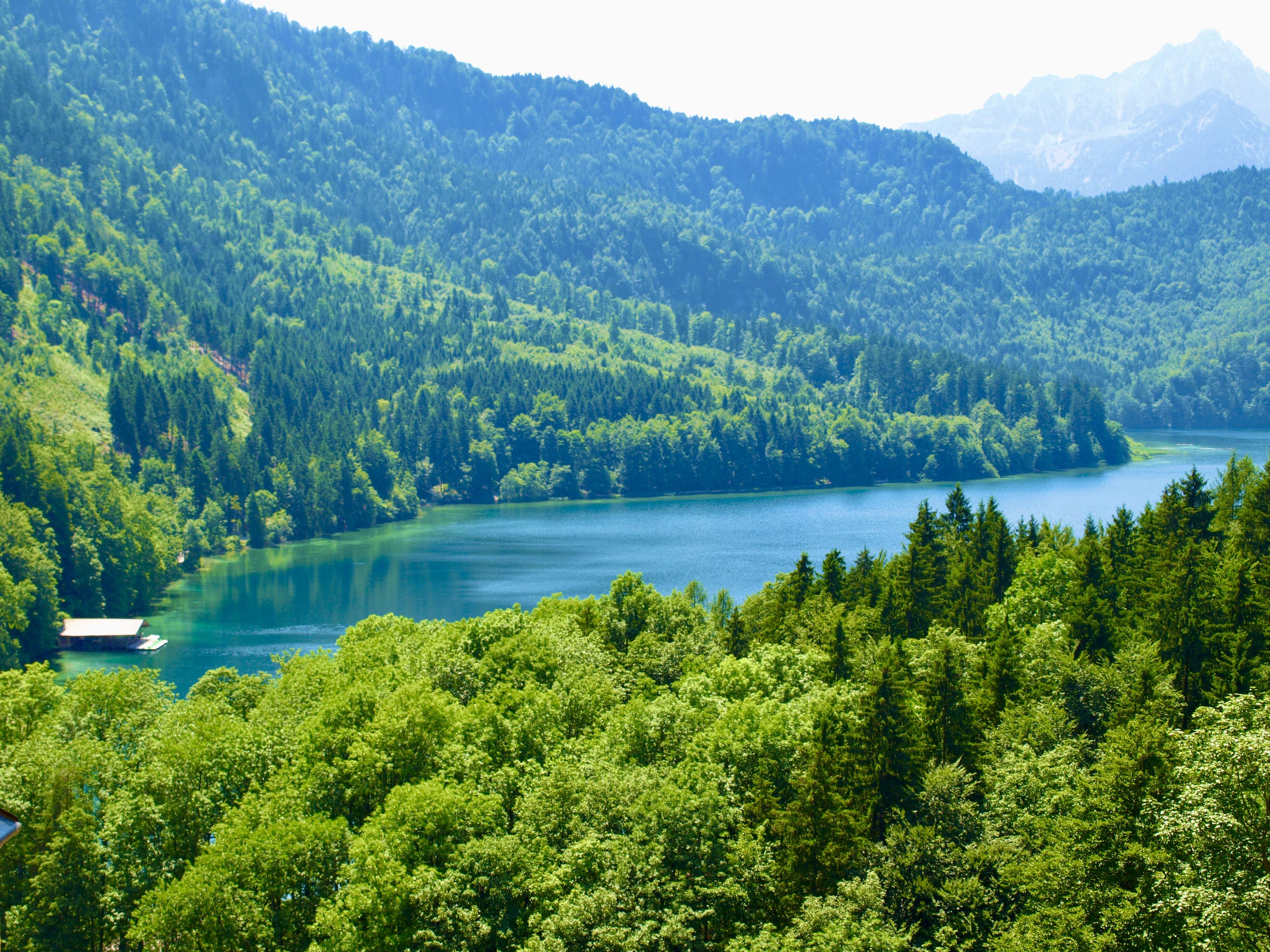
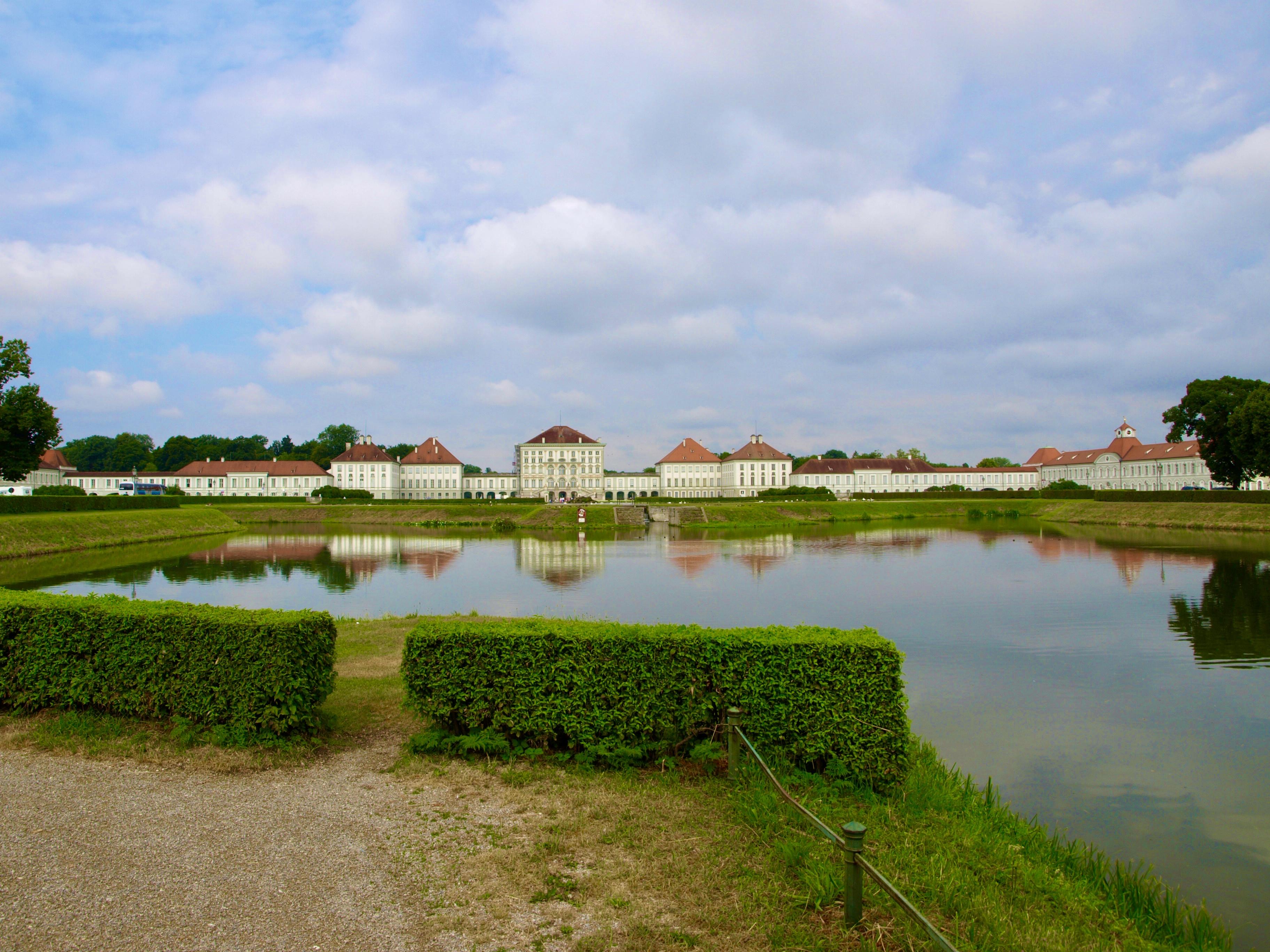
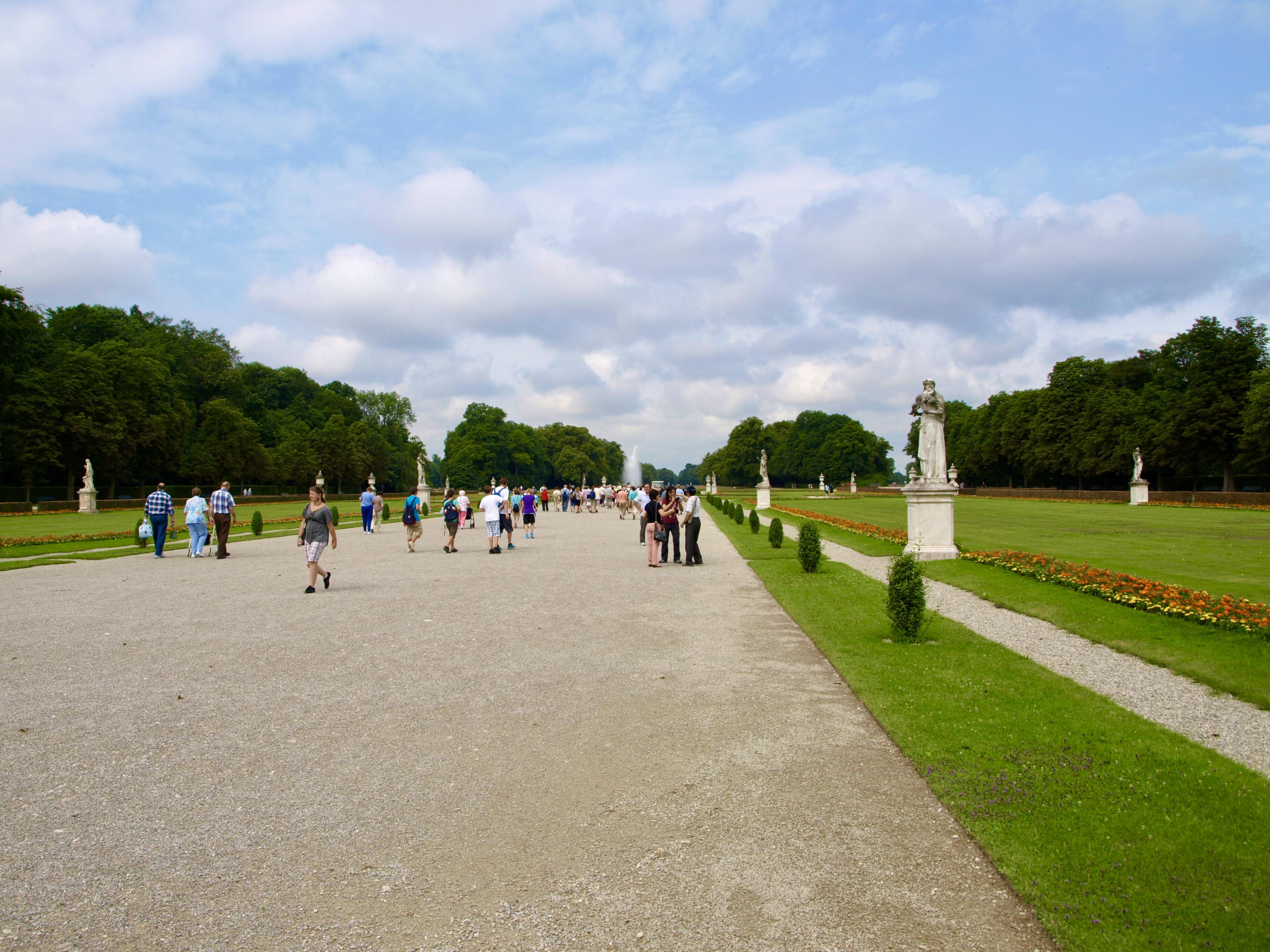
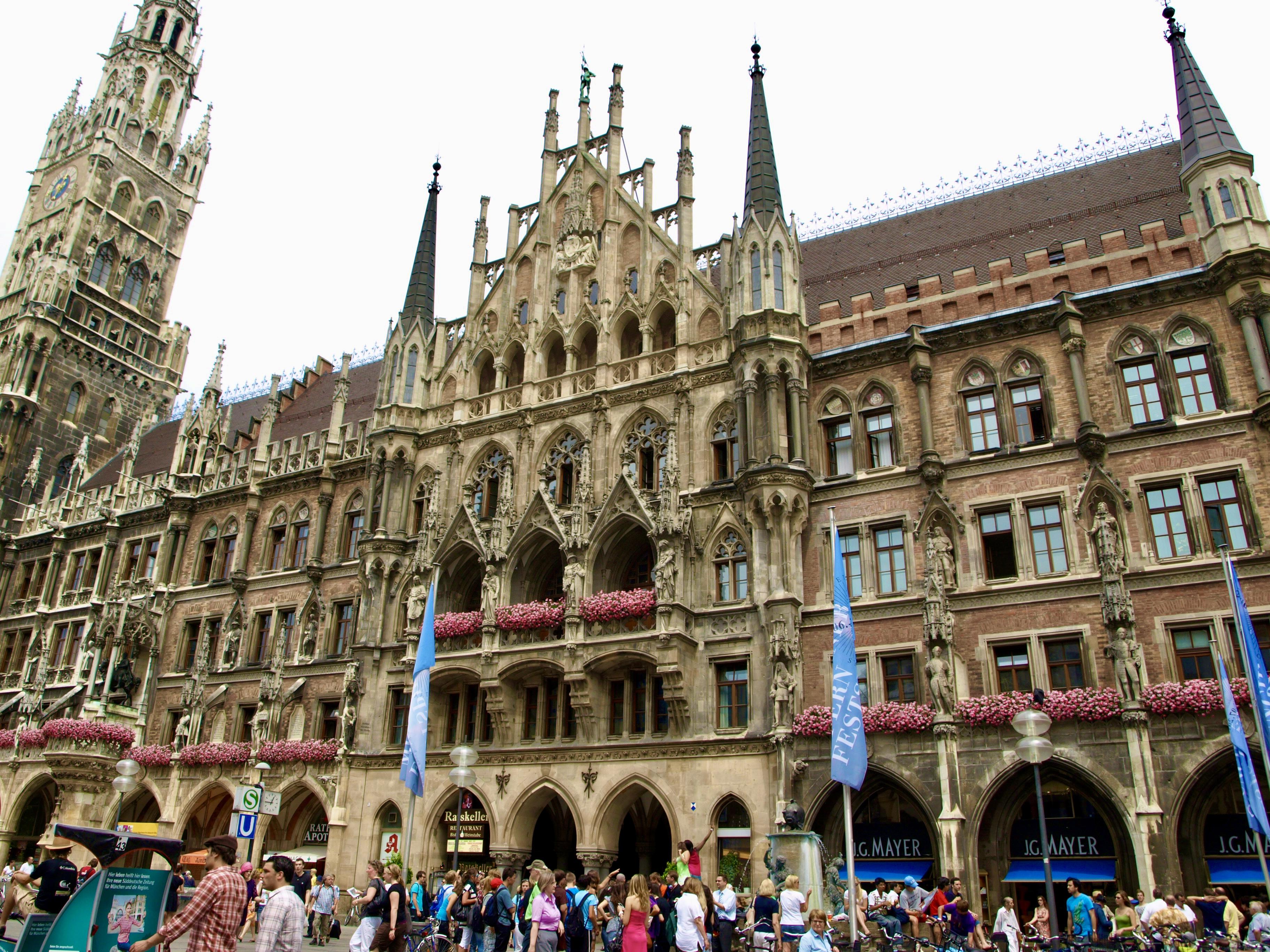
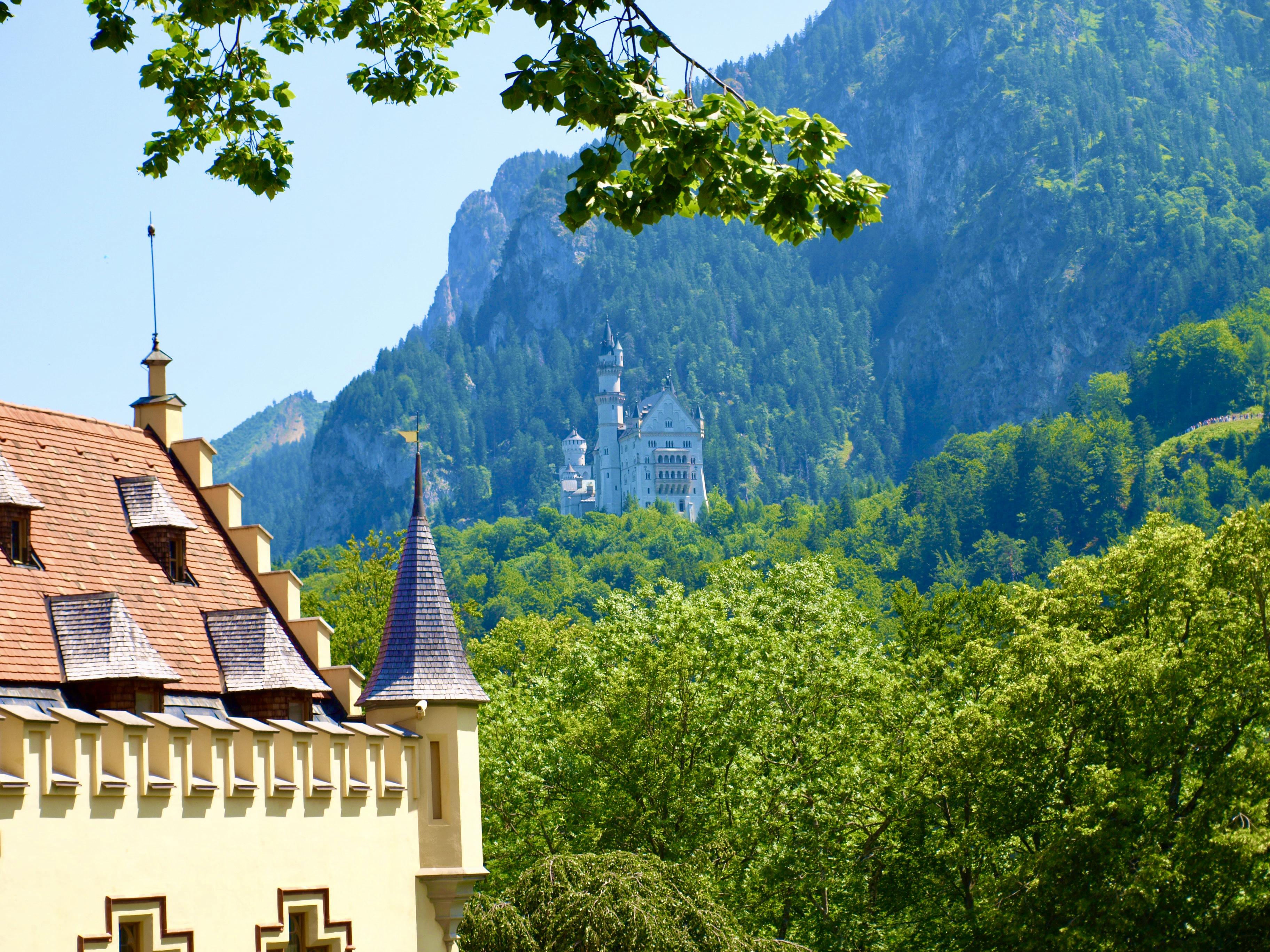
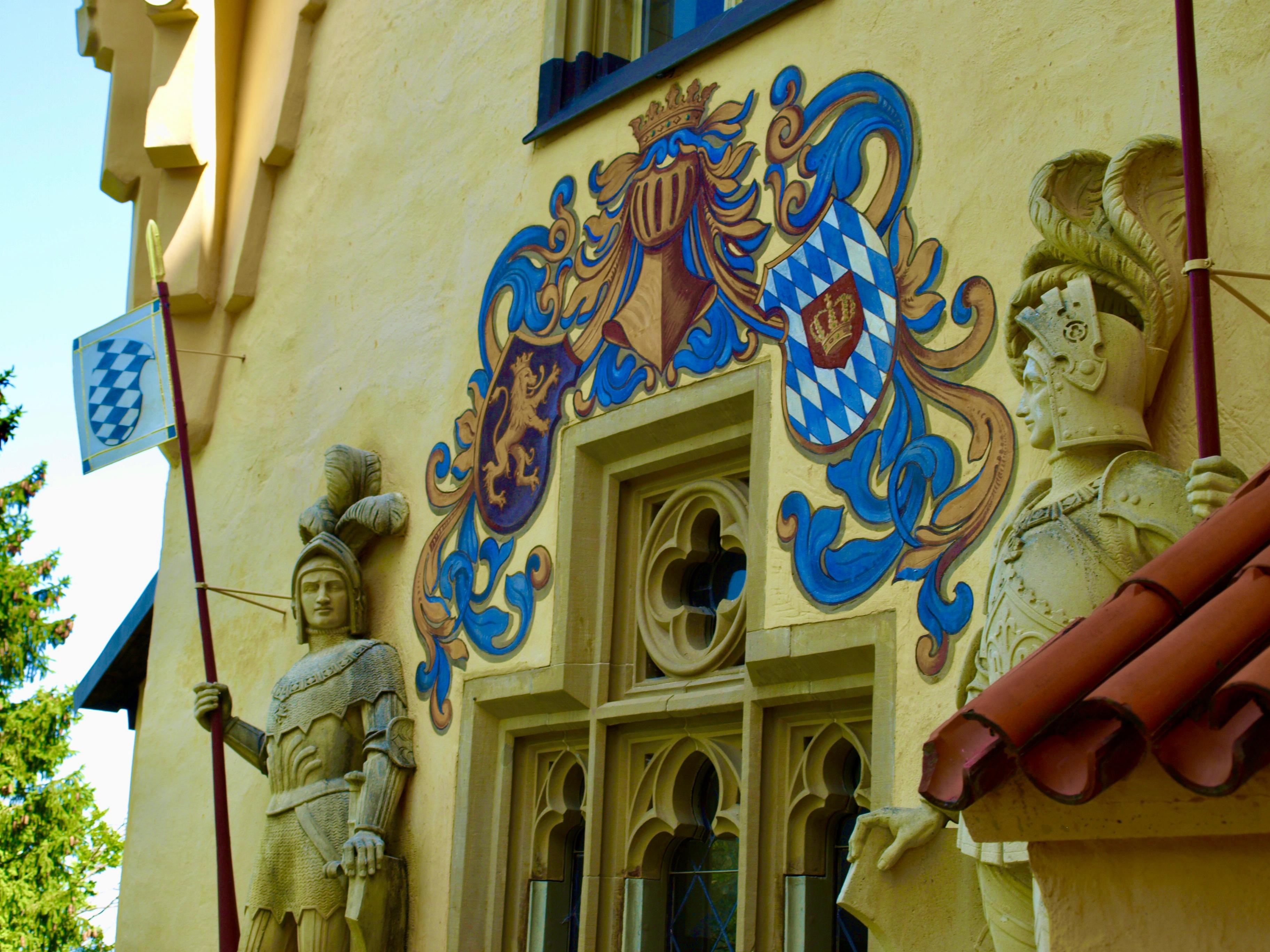
But our true beginnings of travel were earlier, in Munich and all of Bavaria, that fantastic region where the landscapes seem drawn, not real. There we discovered the heart of Germany: its picturesque, authentic, traditional essence. After seeing the two famous castles—Neuschwanstein and Hohenschwangau—and adding other castles, museums, churches, old town centers, and parks, we were marked for life. The nostalgia of those days always accompanies us, like a beautiful imprint you can never forget. It is a benchmark of civilization, culture, education, and beauty to which we constantly relate, and it is hard to match.
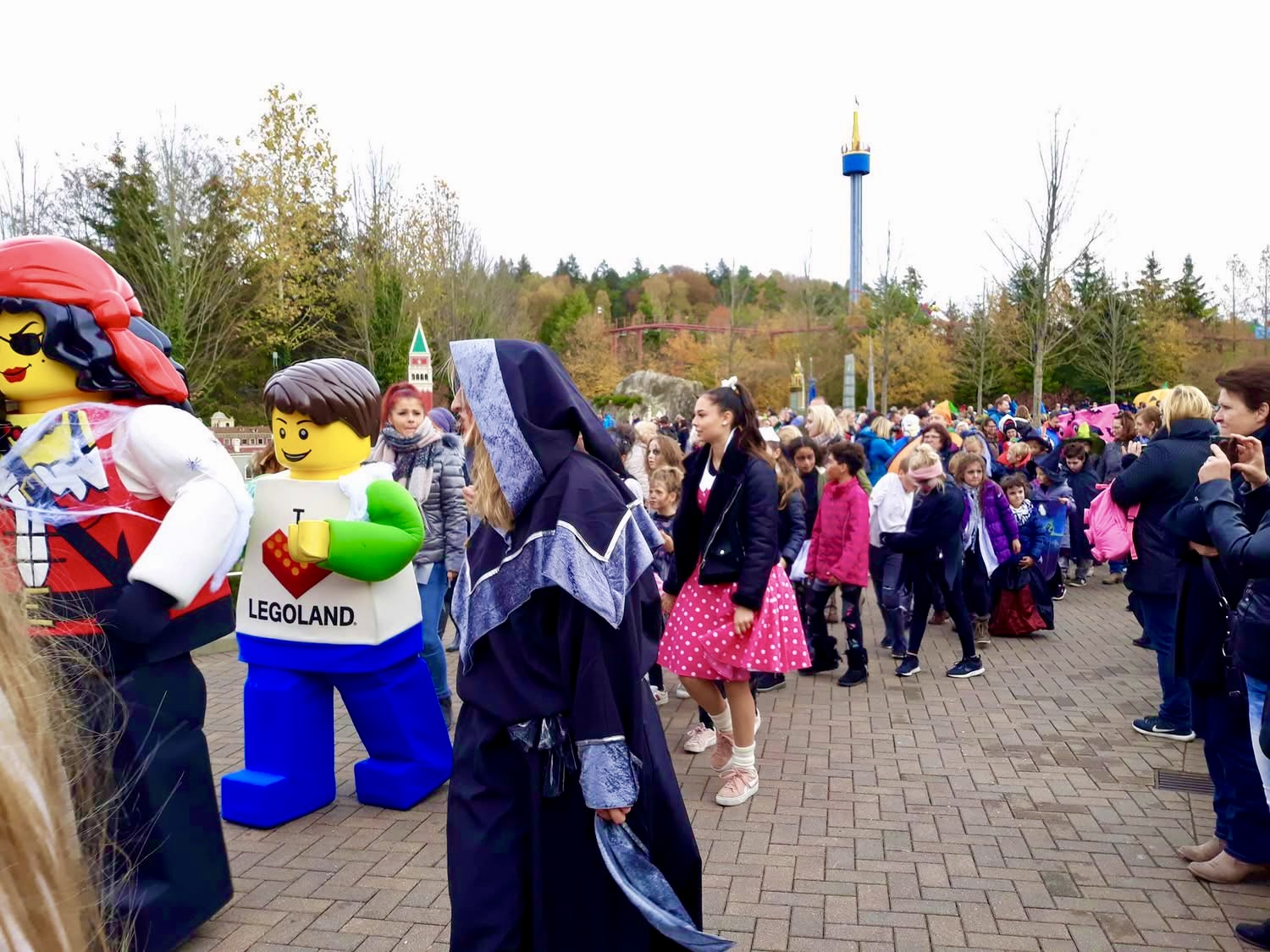
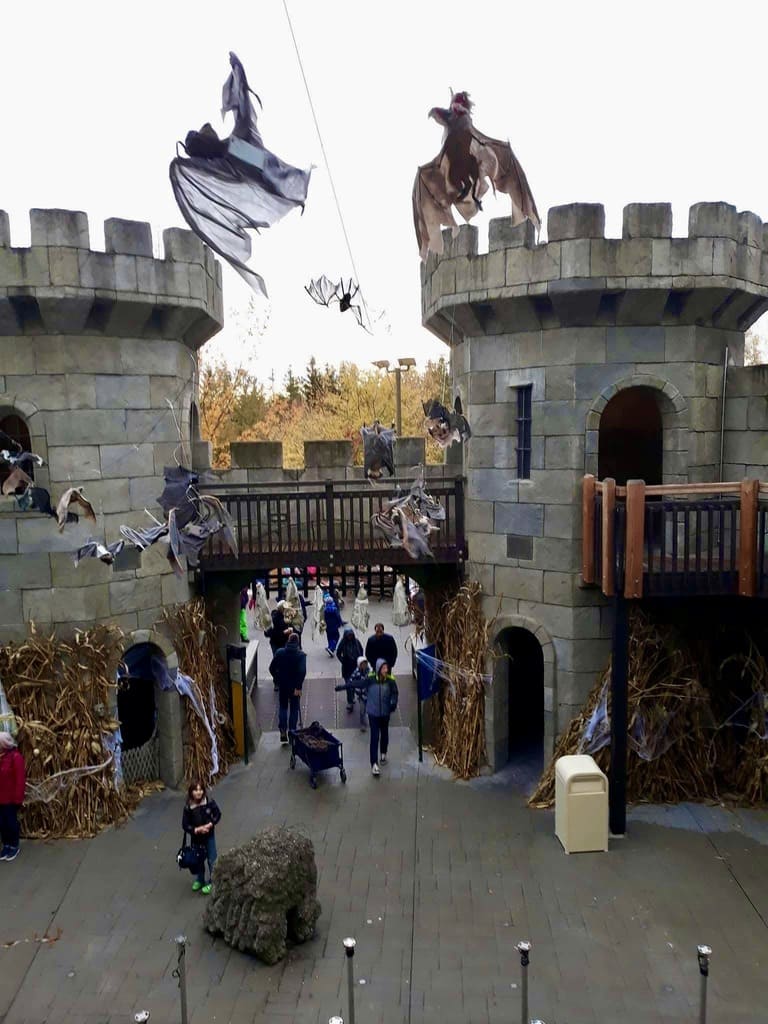
Next came Nuremberg, a medieval heart full of history, where we celebrated Emil through all the children’s museums we could find, but especially at the Playmobil FunPark near the city—absolutely magnificent for a small child. Years later, we also went to LEGOLAND Deutschland in Günzburg, and there’s no need to explain much: a huge, fascinating park, and the source of a long-lasting obsession with LEGO constructions and trains, which followed us for years.
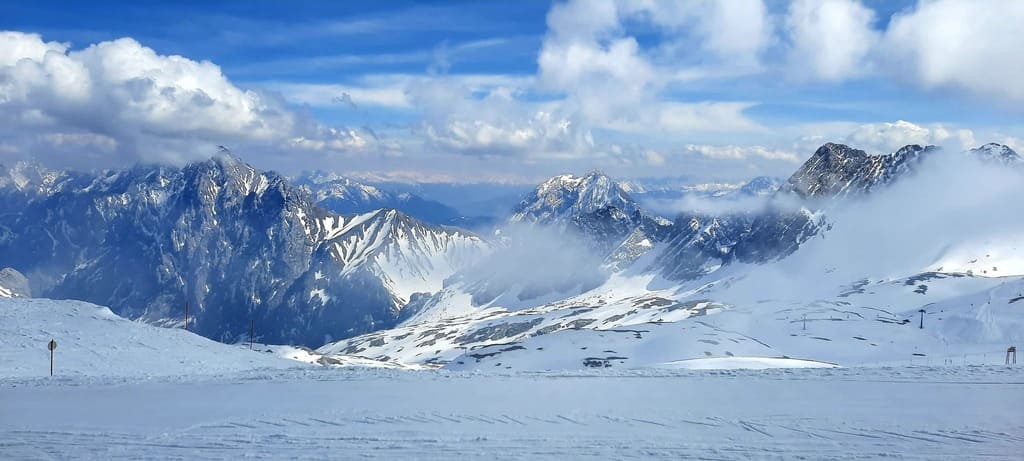
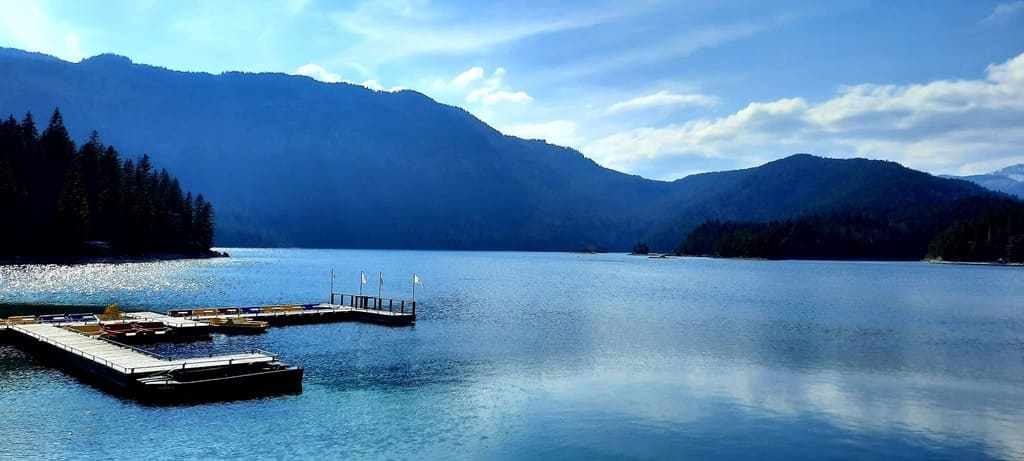
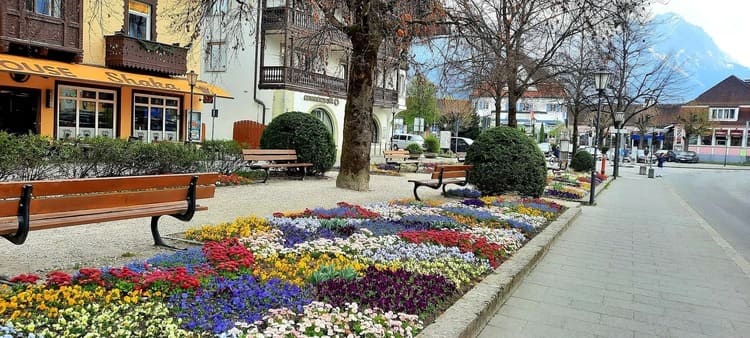
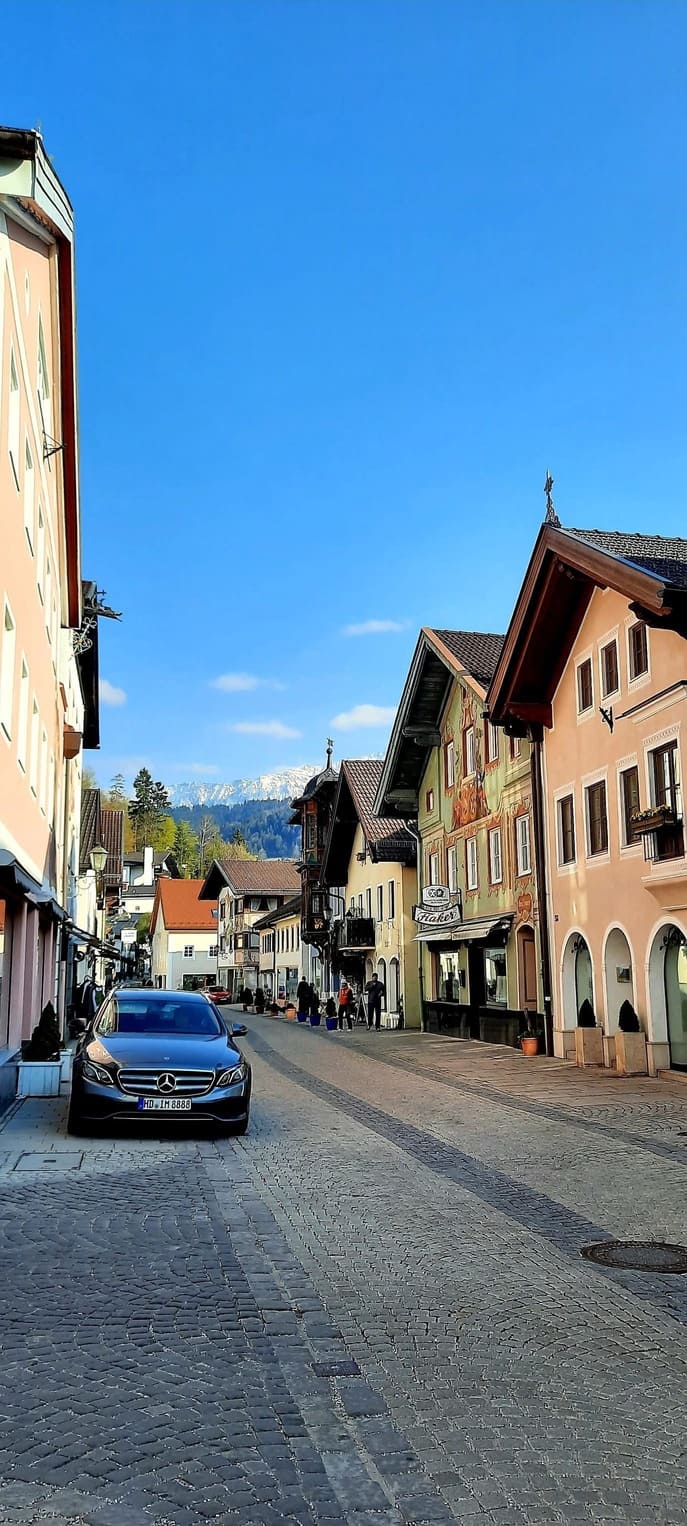
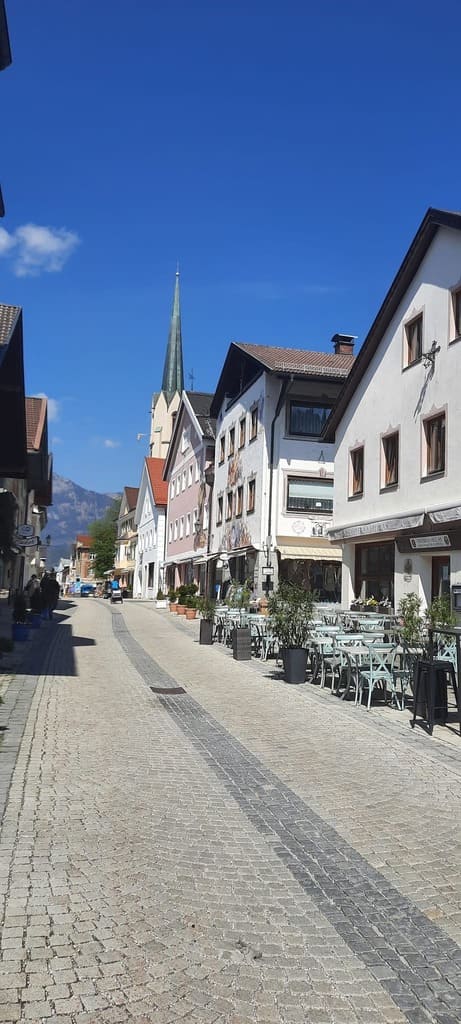
One of the most recent trips was to Garmisch-Partenkirchen, where in winter we took the train up the mountain to Zugspitze, Germany’s highest peak. There, you have a moment when you understand how small humans are and how vast everything that stretches beyond you is.
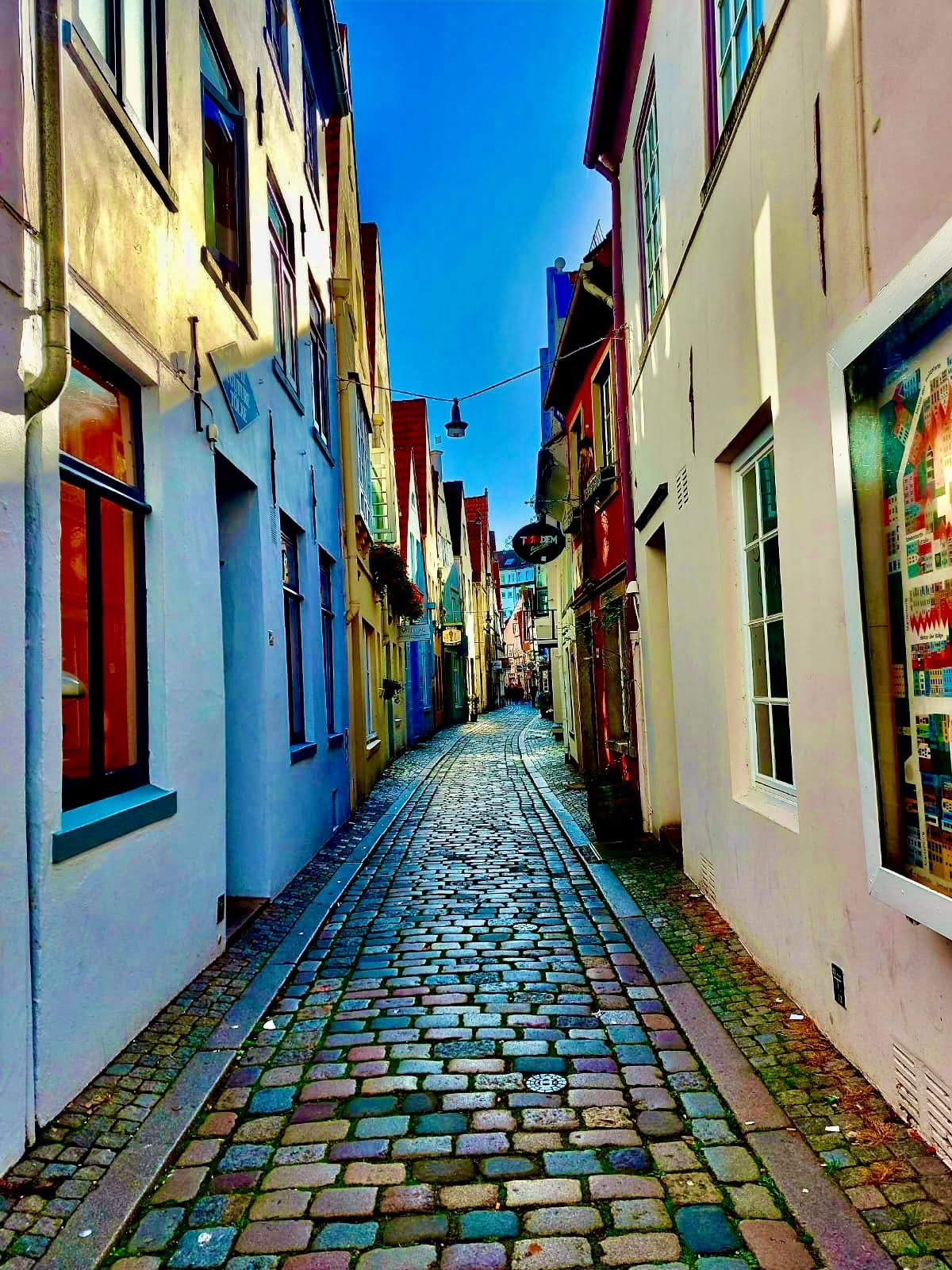
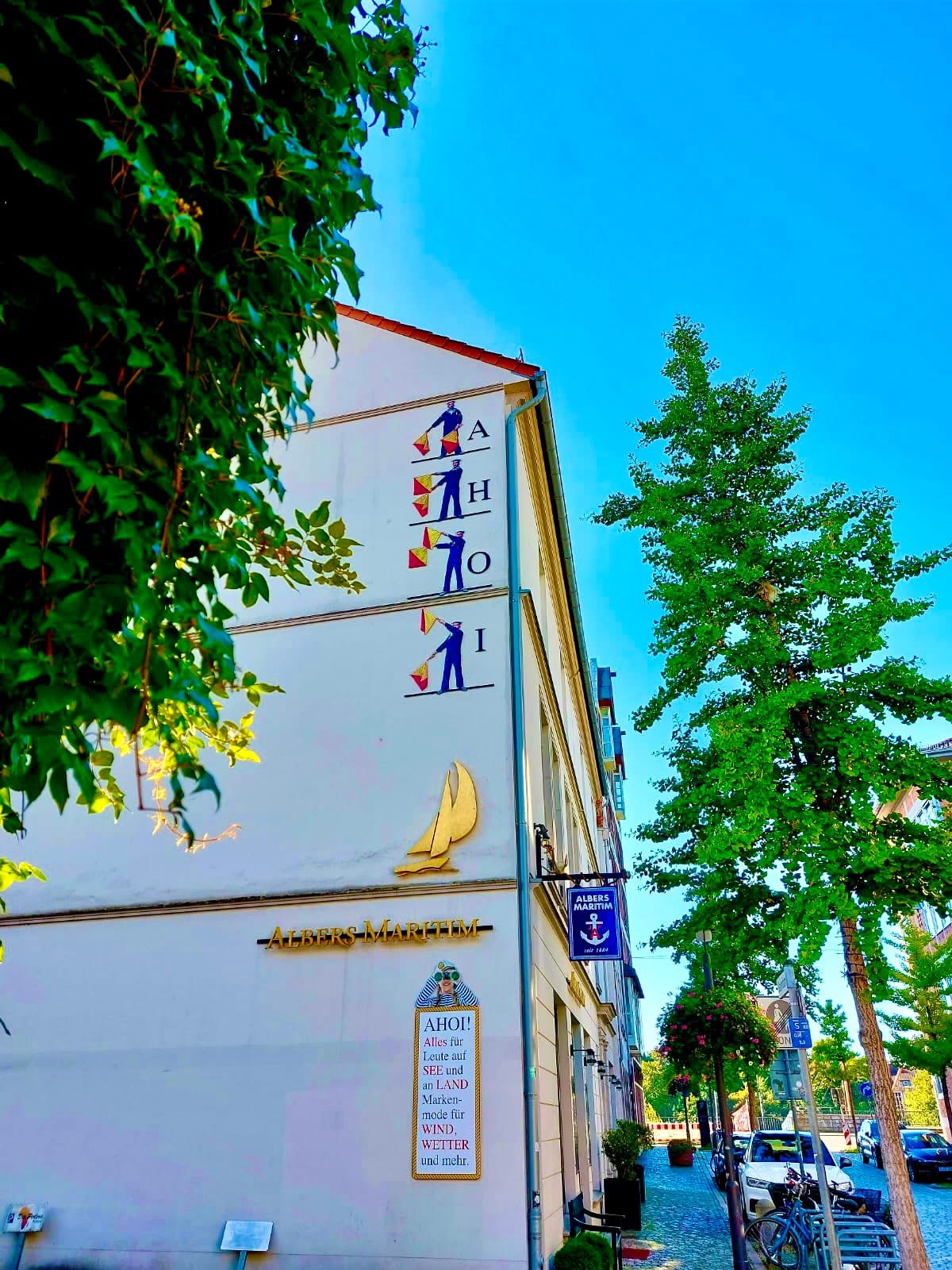
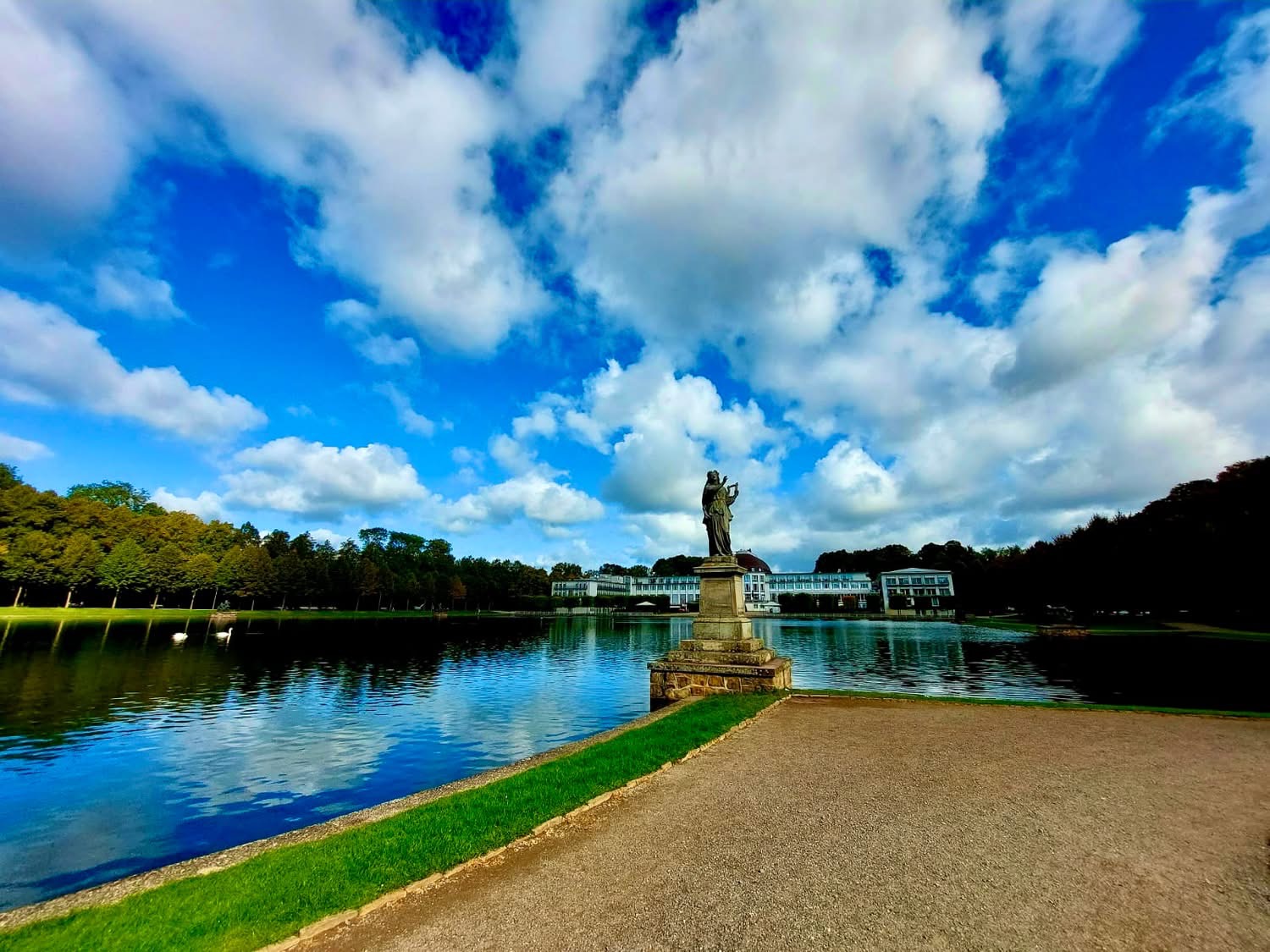
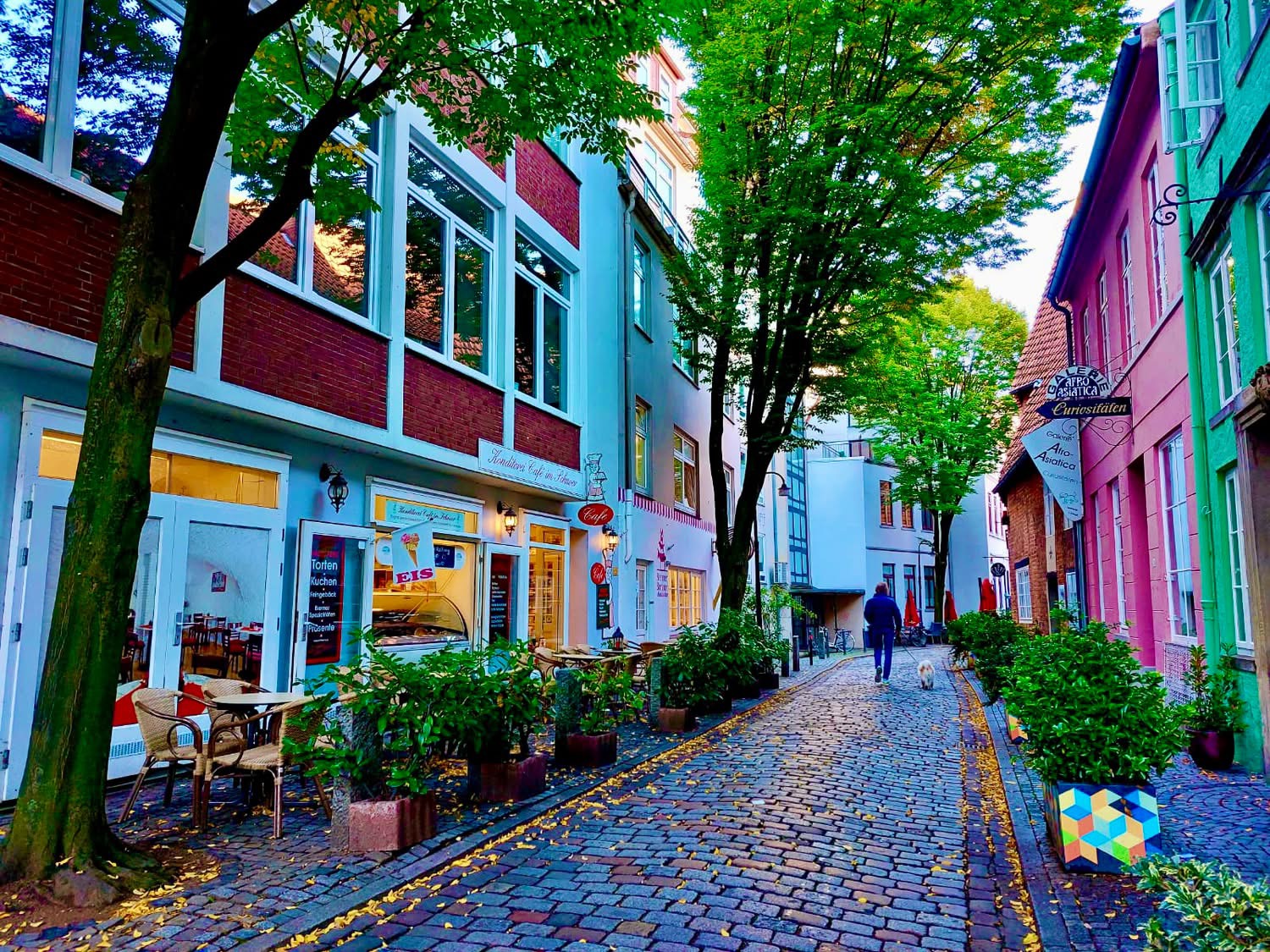
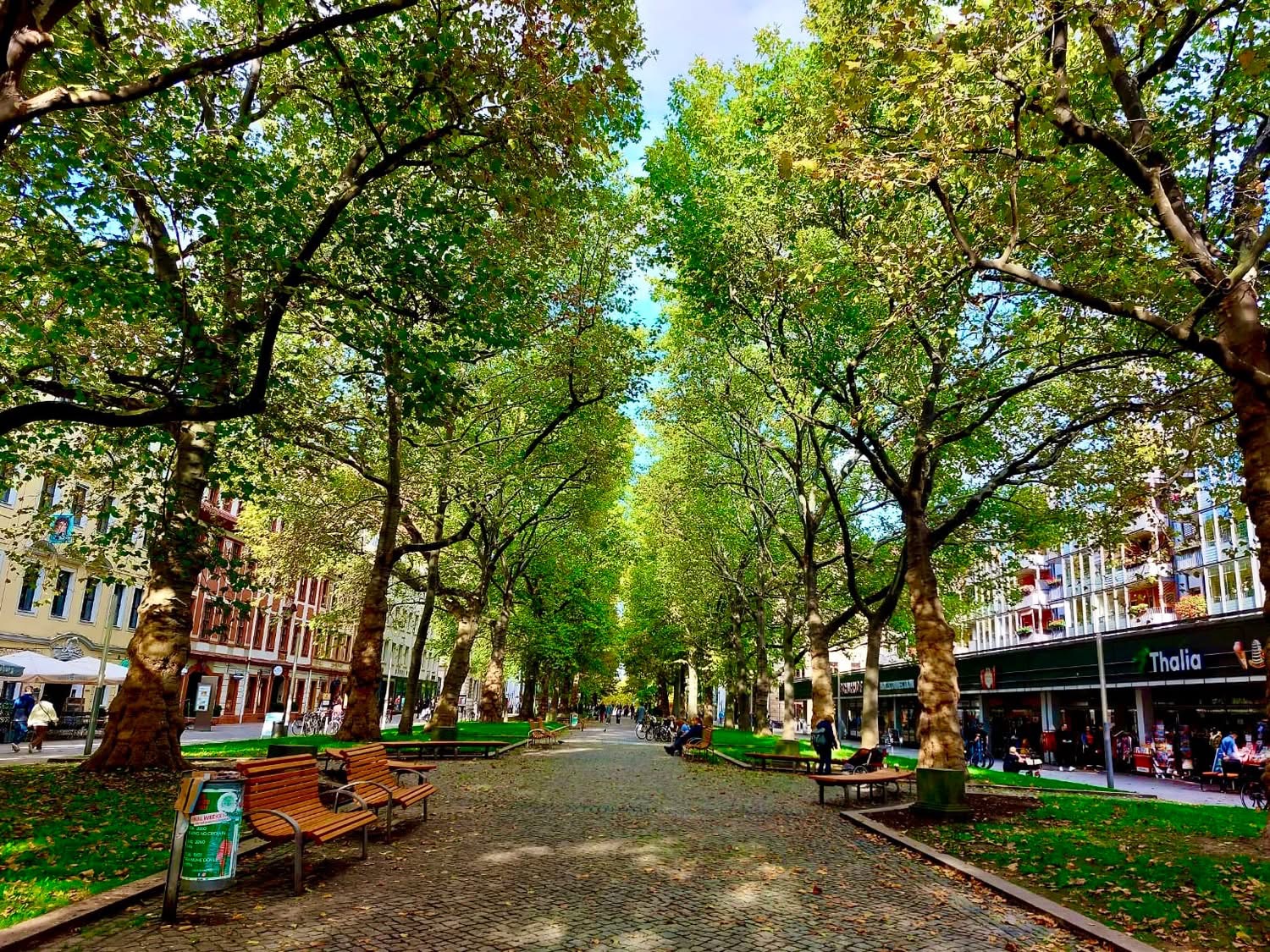
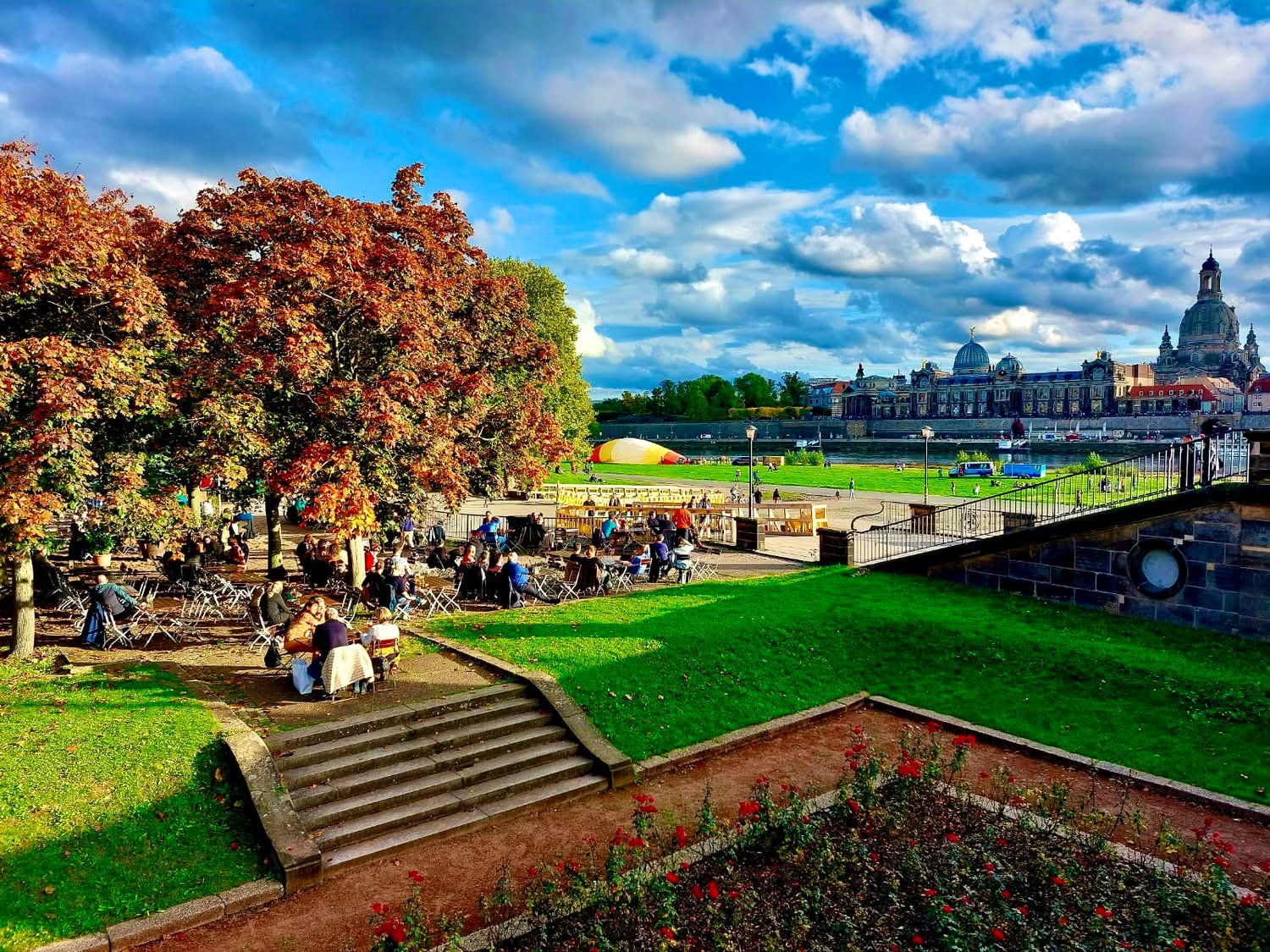
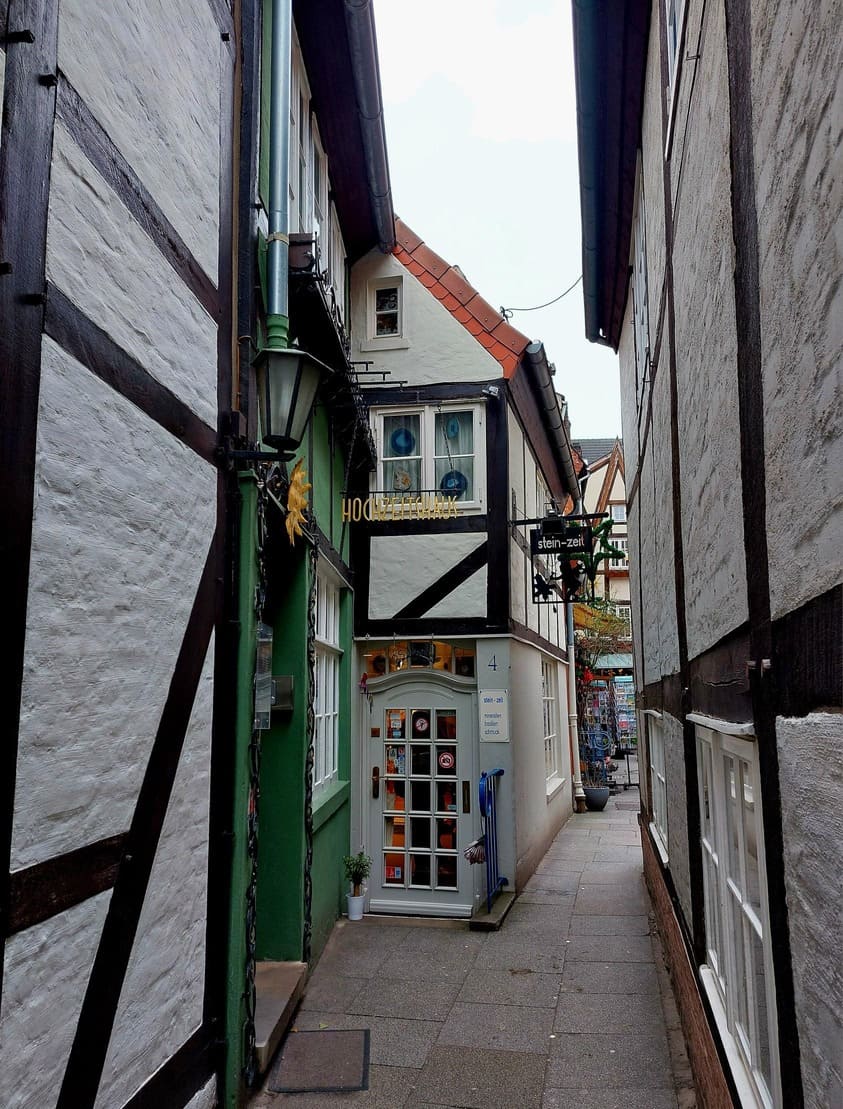
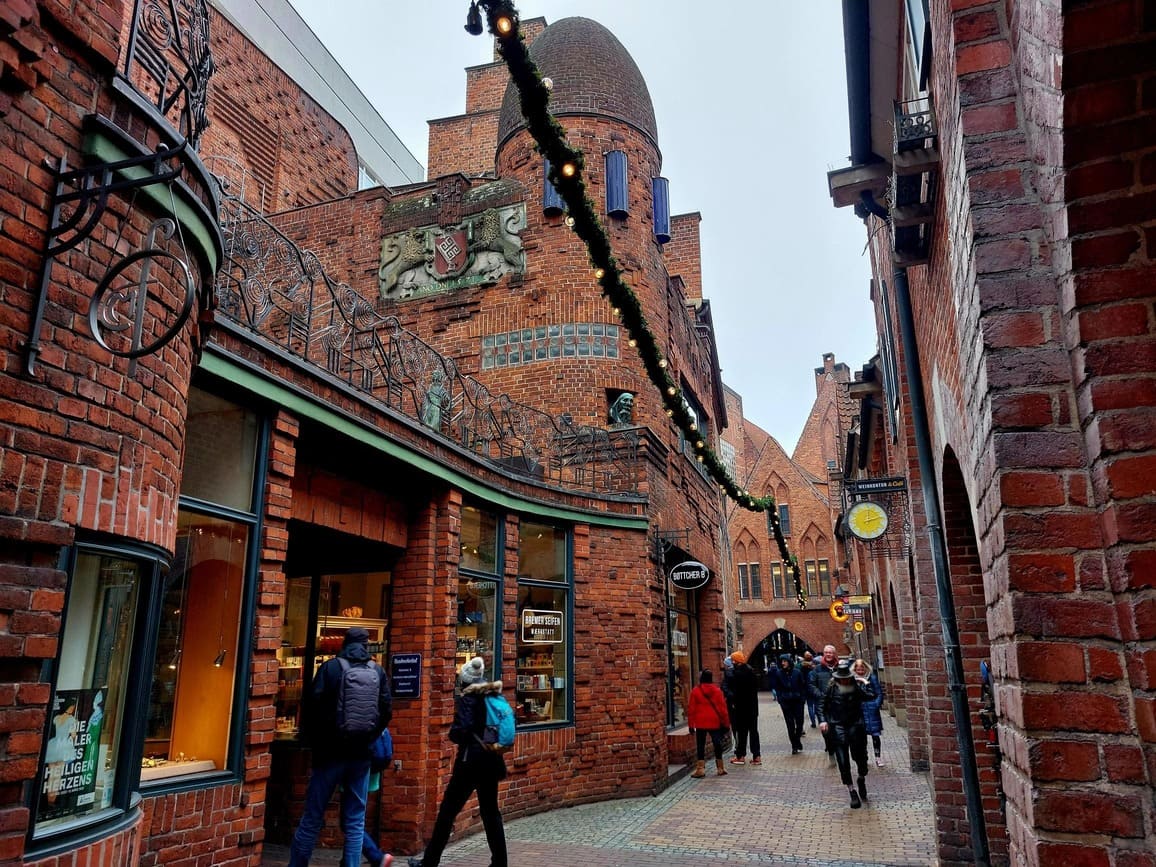
We also passed through Dresden, Bremen, and other cities, mostly in transit—but enough to feel the vibe of each and add a new shade to our perception of Germany.
And yet… no matter how much we analyze, how many countries we put on the list, or how many options we discuss before going on a trip, we always come back to Germany. Because it suits us best: structured, safe, civilized, clear. A country where rules are rules, where options exist for everyone, and where you feel that whatever you do, you are protected by a well-established system.
Germany is the country that calls me and frightens me at the same time. A benchmark of civilization, culture, education, and beauty to which I relate. And perhaps for that reason, it never leaves my heart.
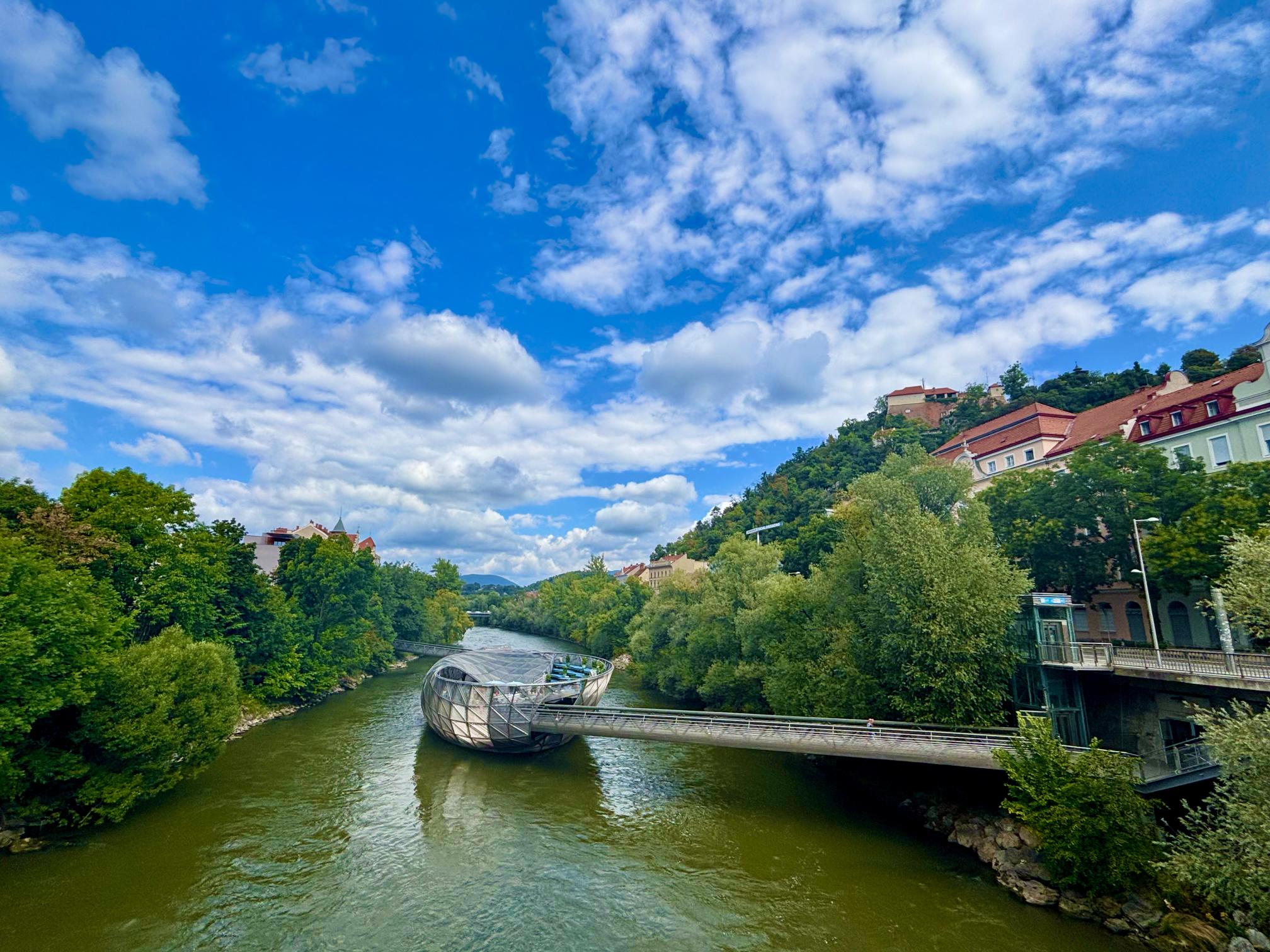
Austria has Vienna, the most beautiful city in Europe, the most connected in the world. I haven’t verified it, but that’s how it feels to me.
Vienna is the heart of Austria and, in my opinion, the most beautiful city in Europe.
Vienna is elegant, aristocratic, sophisticated, cultural, immense, yet welcoming and accessible. It unfolds gradually, structured and concentric, and you could probably discover it endlessly. Here, in the courts of the great Empire, the world’s greatest composers, writers, scholars, and people who forever changed European culture spent their time.
I don’t know what more I could write about Vienna, because it would always feel too little.
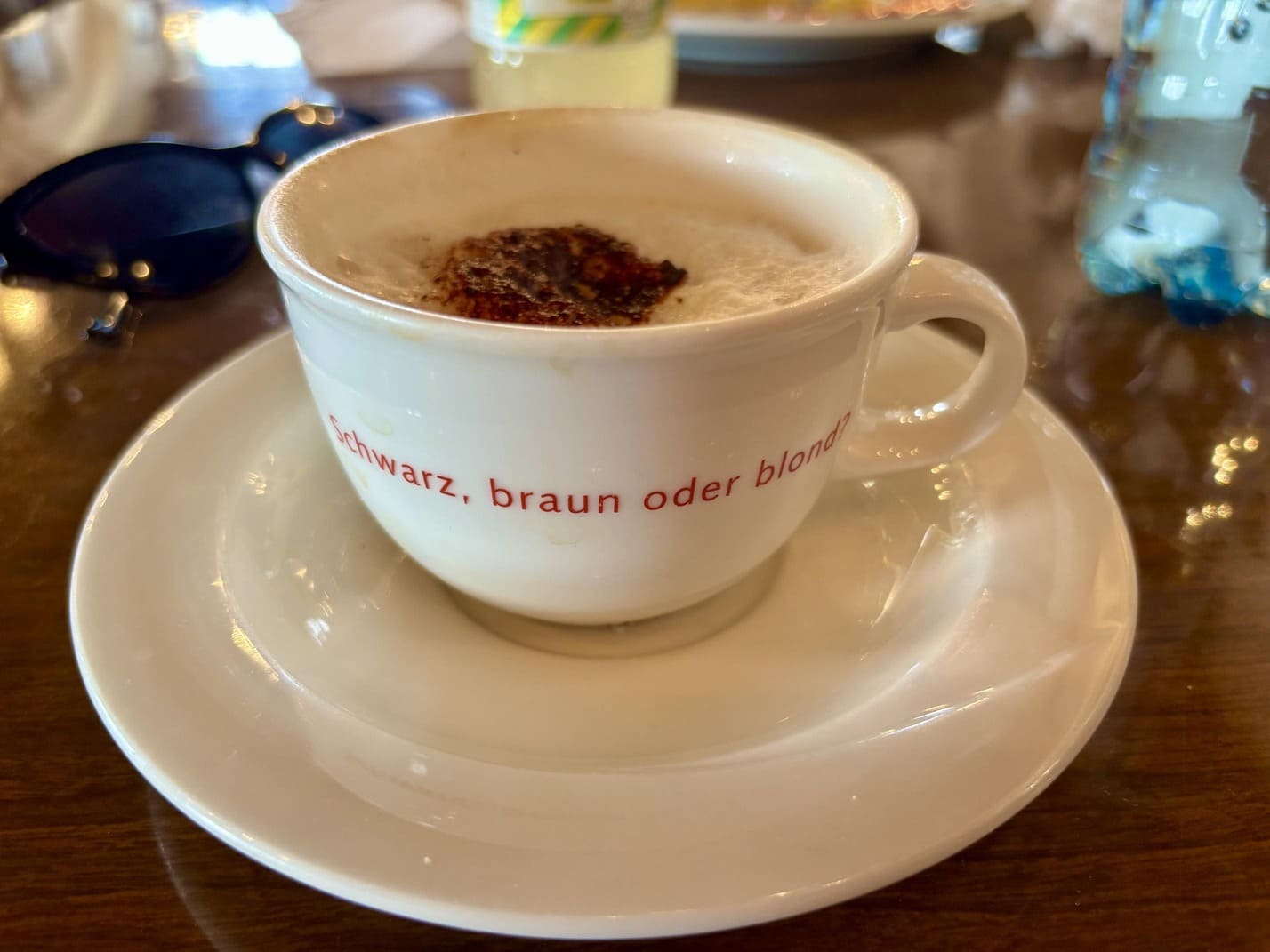
The sculptures, fountains, churches, parks, palaces, streets, museums, cafés, markets, concerts, theaters, restaurants, discreet yet elegant advertisements, and above all, the atmosphere… all captivate you and make you feel that you are in a city where beauty is law, and order is a way of life. Vienna is connected to the world, modern, with cultural centers, glass buildings, new museums, theaters, but without losing its former aristocratic air. It is a city that teaches you that beauty can be perfectly structured, but never cold.
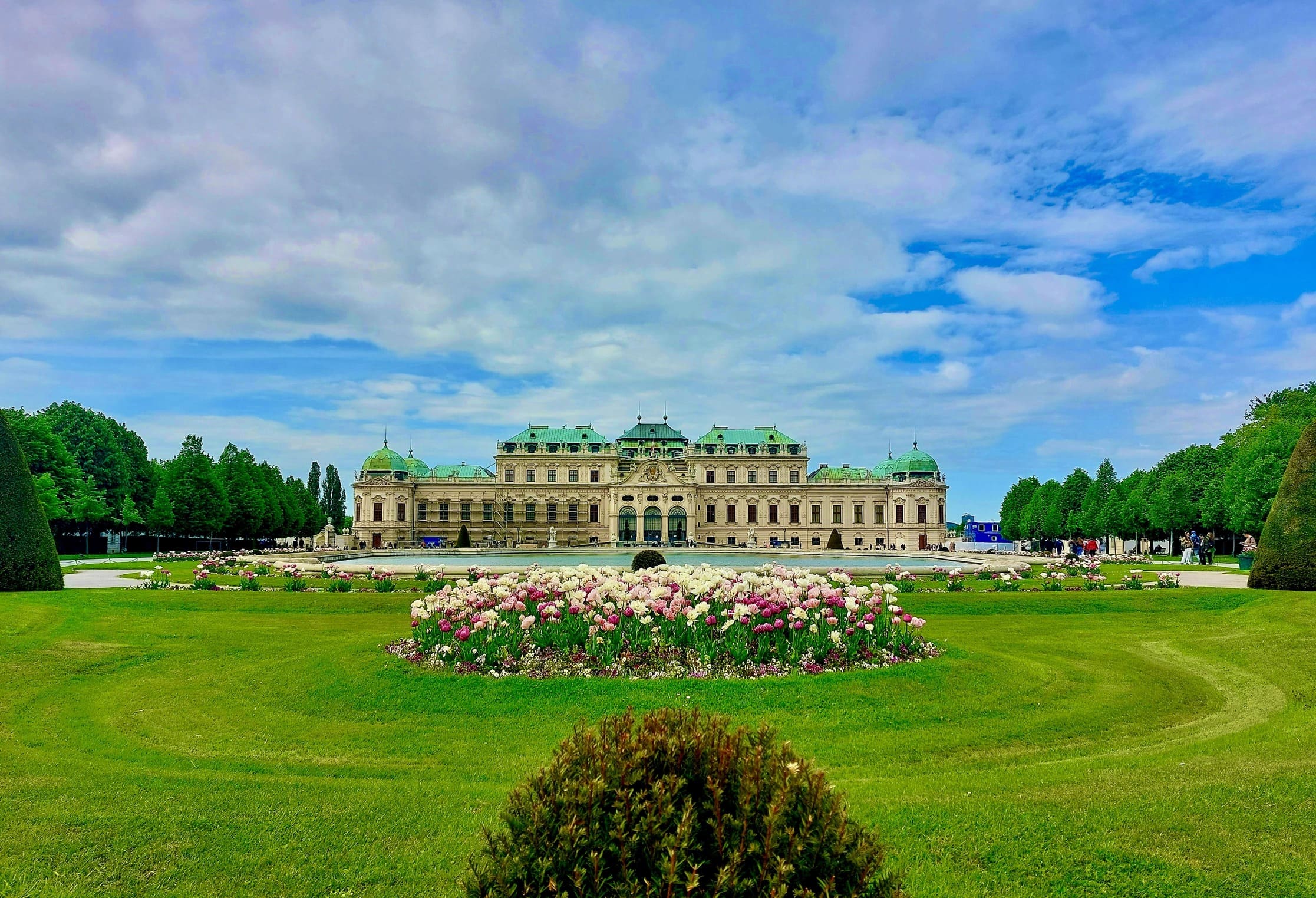
Belvedere and Schönbrunn are the emblems of this imperial world.
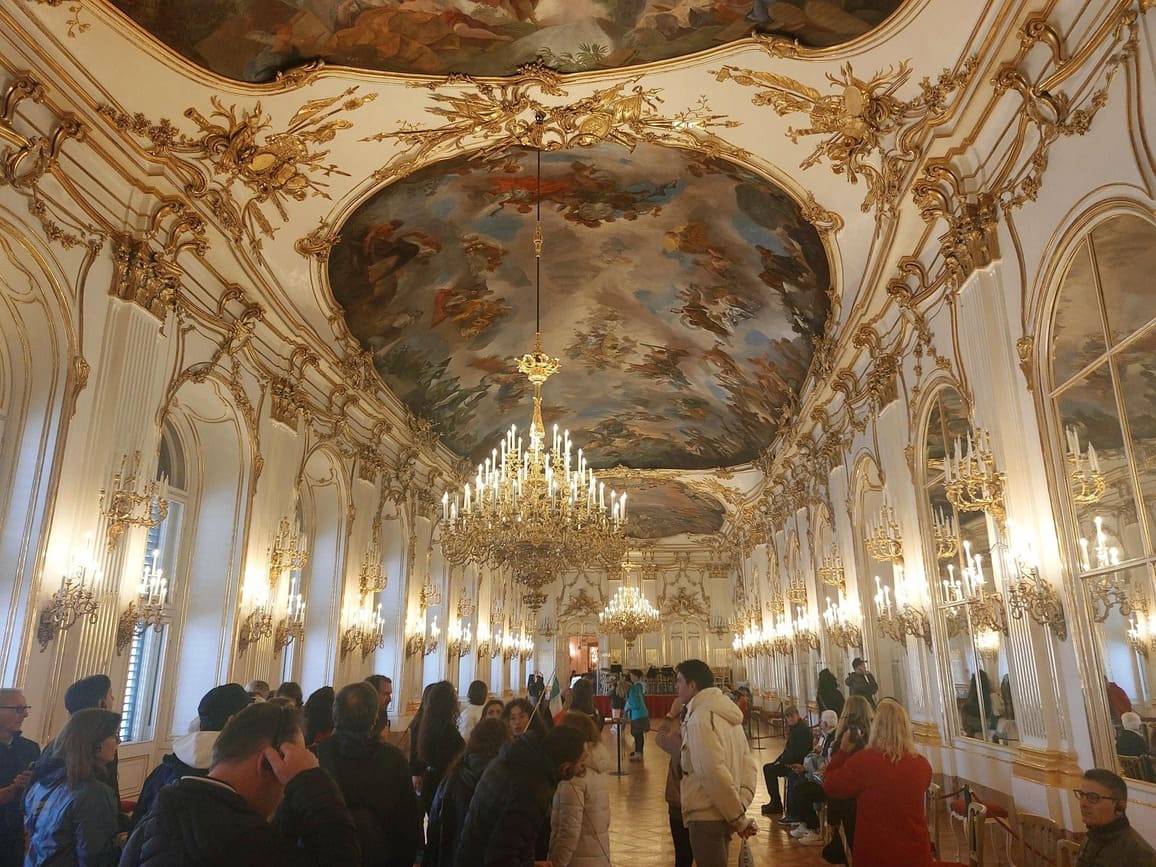
Schönbrunn is the first place you want to see if you want to understand imperial Austria: a summer palace of the Habsburgs, with acres of geometric gardens, paths, flowers, sculptures, fountains, and views that seem drawn. Schönbrunn is on the UNESCO list and remains a symbol of Habsburg power and refinement. The Habsburgs are the family that wove the politics and culture of Europe for centuries: emperors of the Holy Roman Empire, rulers of Austria, kings of vast provinces, builders of marital alliances, shaping empires over centuries. Under their banner, Vienna became the capital of a political and cultural world: their courts encouraged music, art, architecture, and diplomacy that shaped the European century. Habsburg power culminated in the Austro-Hungarian Empire, which dissolved at the end of World War I (1918), leaving behind palaces, gardens, and an urban culture that Vienna preserves with reverence.
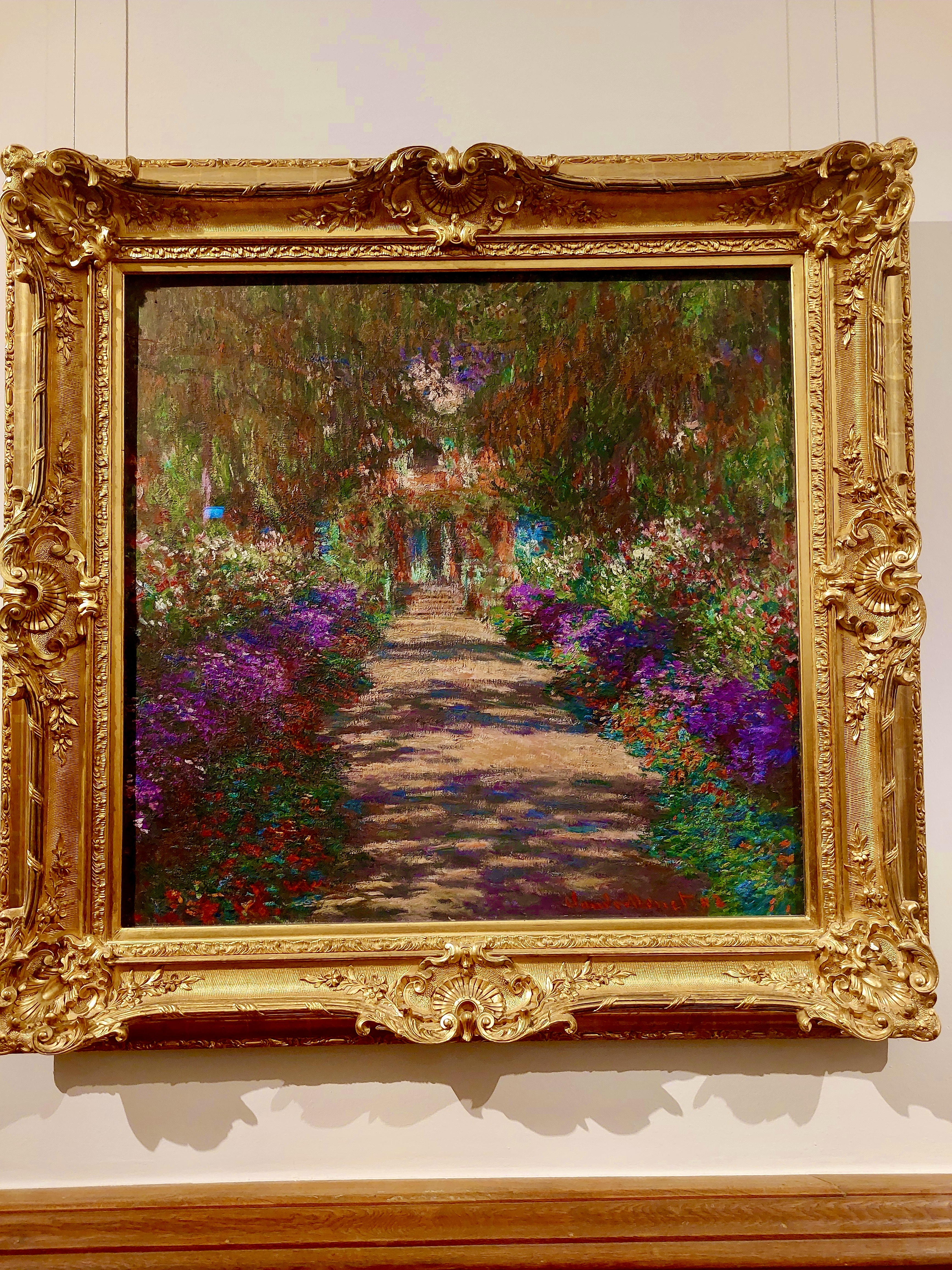
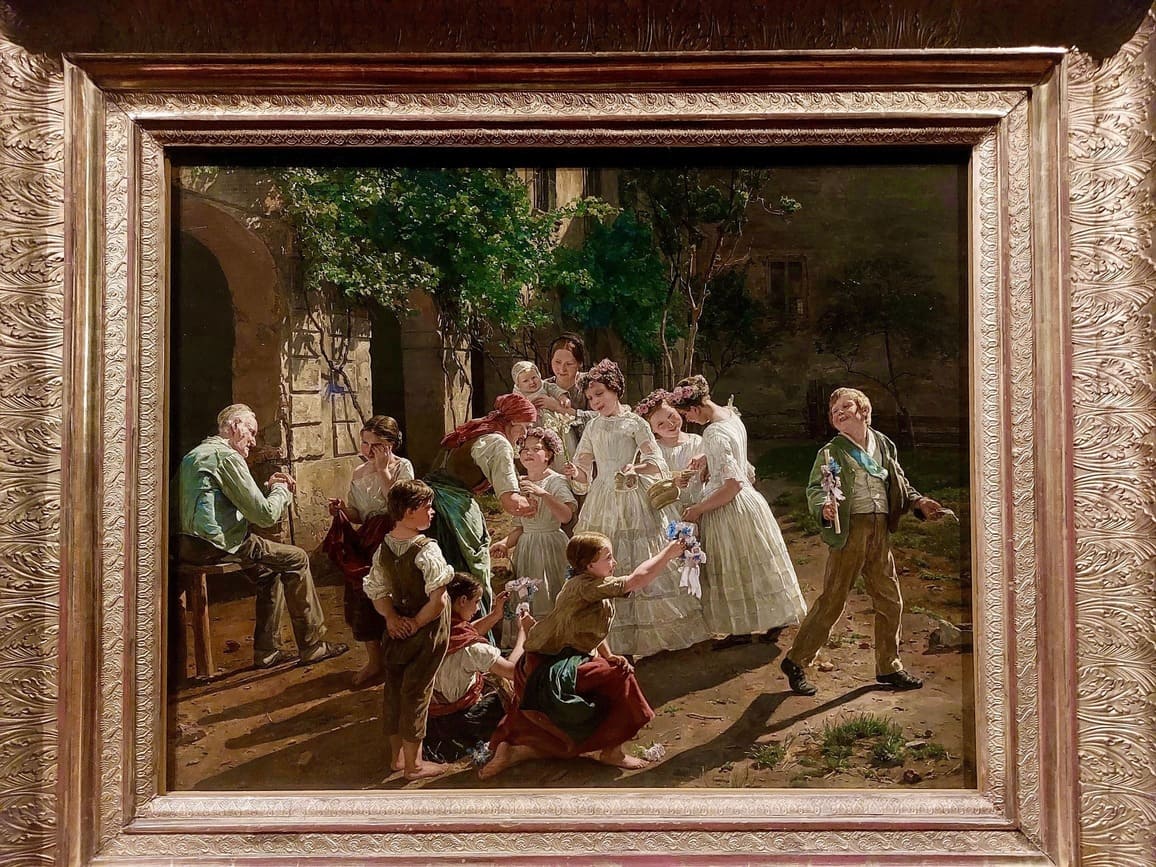
Belvedere, the palace that preserves the kiss of an entire world, is the place where Austrian art finds its highest expression. Two Baroque palaces—Upper and Lower—connected by terraced gardens, sculpted fountains, terraces, and symmetrical paths that look like a perfect drawing. Here is also one of Europe’s most precious treasures: Gustav Klimt’s “The Kiss,” a painting that transforms a kiss into eternity. I’ve seen other paintings, even the Louvre, but here some of the works are simply magnetic. You lose yourself in contemplation and cannot fathom how such detail was possible.
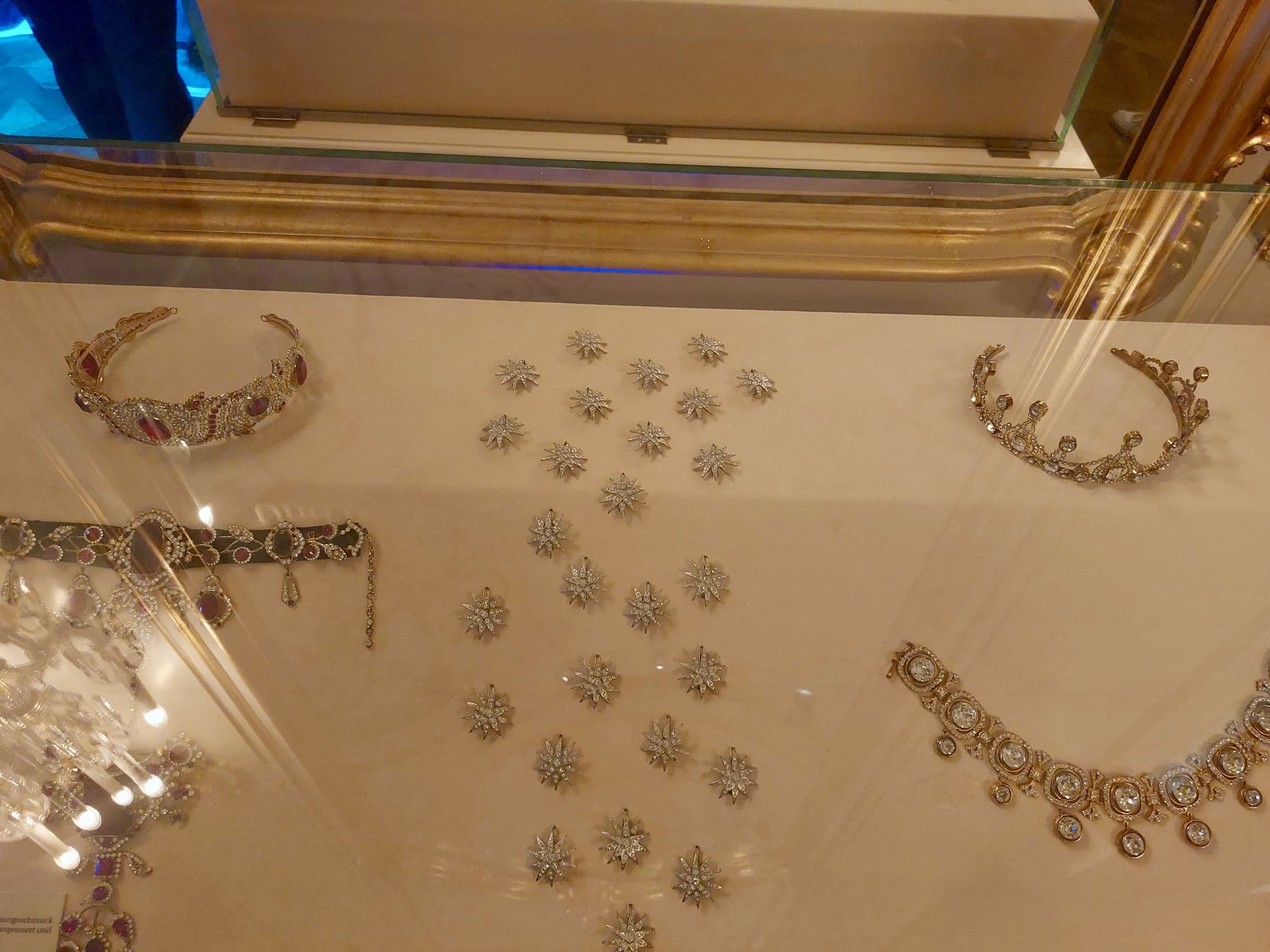
In the center of Vienna is Empress Sisi’s Palace—Hofburg, the imperial residence right in the heart of the city, just as the empress was for Austria. Visiting the Imperial Apartments and the Sisi Museum, spaces dedicated to Empress Elisabeth (“Sisi”), her personal objects, costumes, and tragedies, and the administrative heart of the former empire, brings you close to court life—much more “political” and ritualistic than the vacation charm of Schönbrunn.
St. Stephen’s Cathedral is the center of Vienna, the city’s zero point, the reference from which all streets and energies radiate. The south tower pierces the sky, and its colorful roof, the famous glazed tile mosaic, is the city’s absolute symbol.
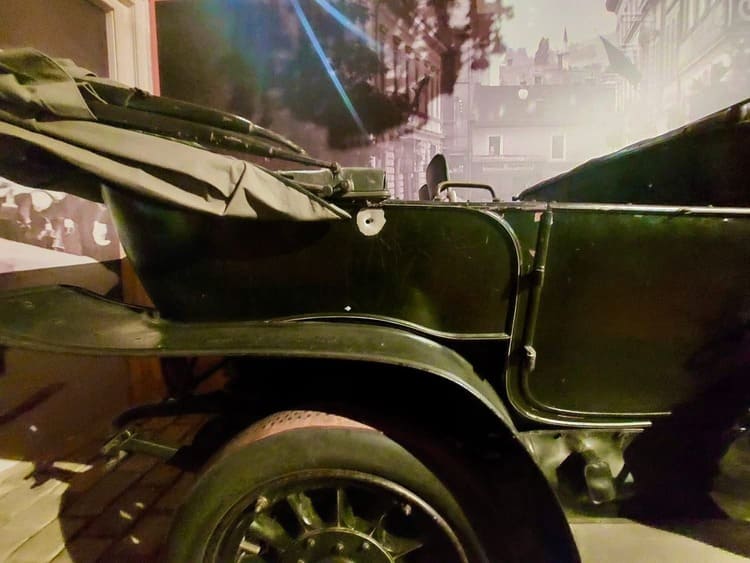
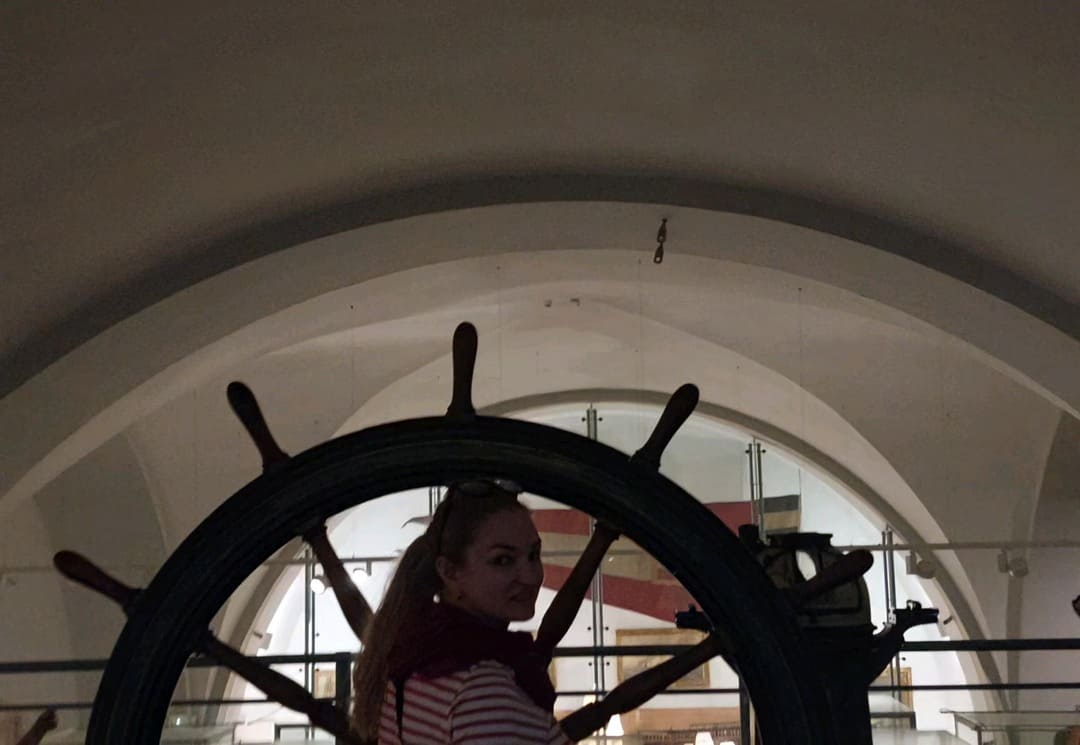
Before reaching the Ringstraße, the famous circular boulevard that includes Vienna’s most famous buildings, I stop at the Vienna Museum of Military. Austria is the country that set the stage for the start of World War I, so this topic receives special attention here. Then, to understand events as close to reality as possible, you must look at the source. The car that carried Franz Ferdinand and his wife at the moment of the assassination that triggered the European and then global conflict is displayed in the museum, along with the personal objects of the prince and his wife. Bullet holes in the car are visible. In short, a wealth of information, very well presented and structured, a pleasure to walk through and understand. Only the information stand and books seem slightly discordant compared to the museum itself, but the opportunity to visit it must not be wasted.
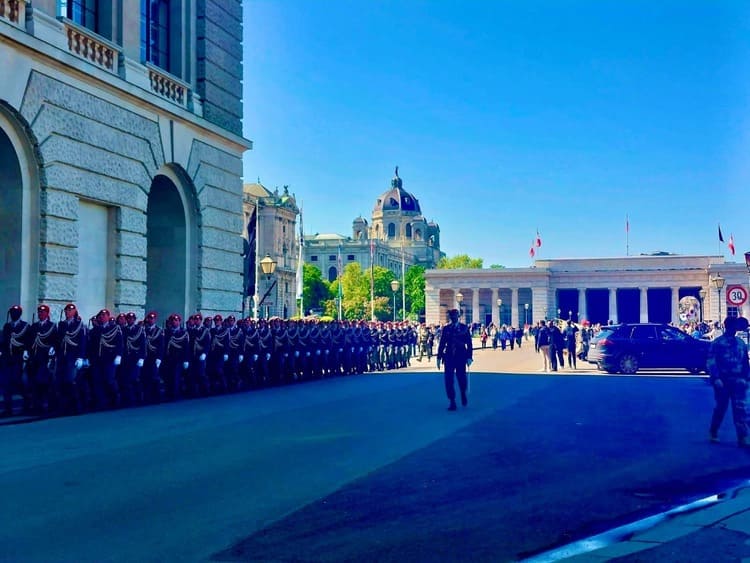
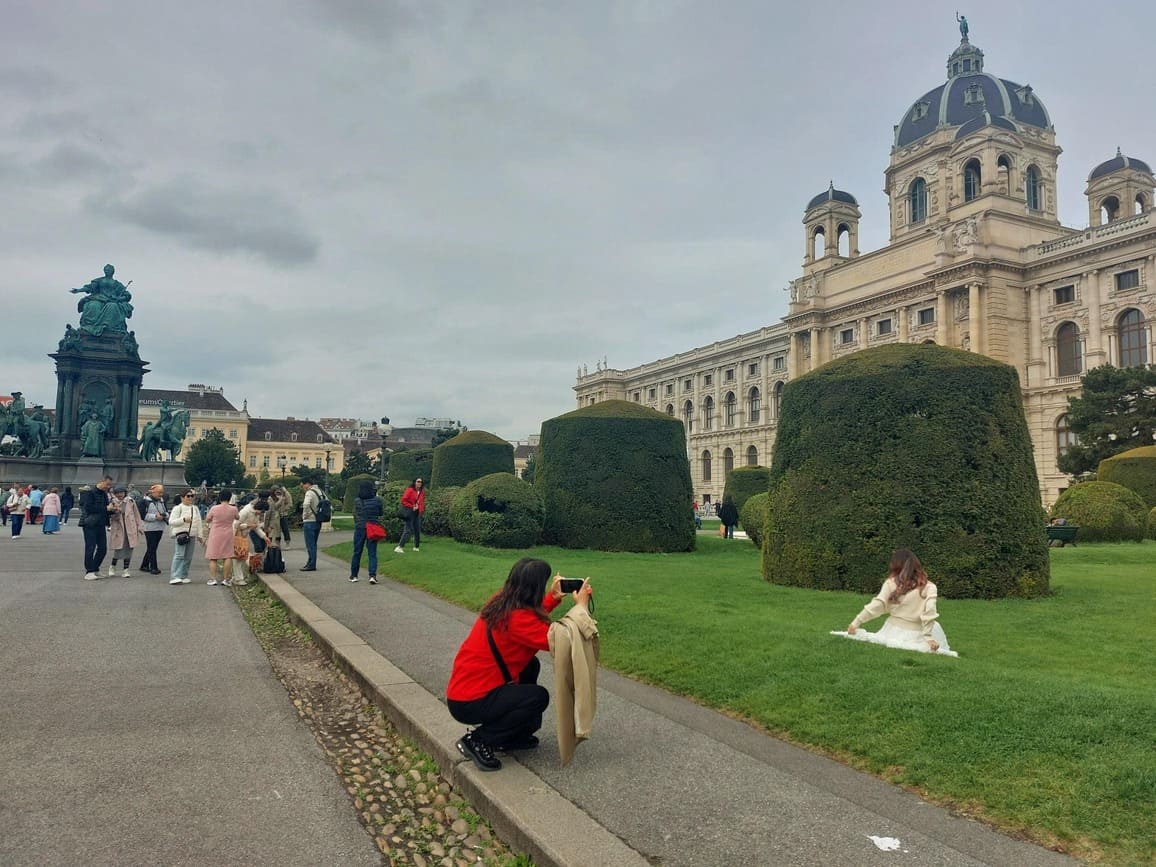
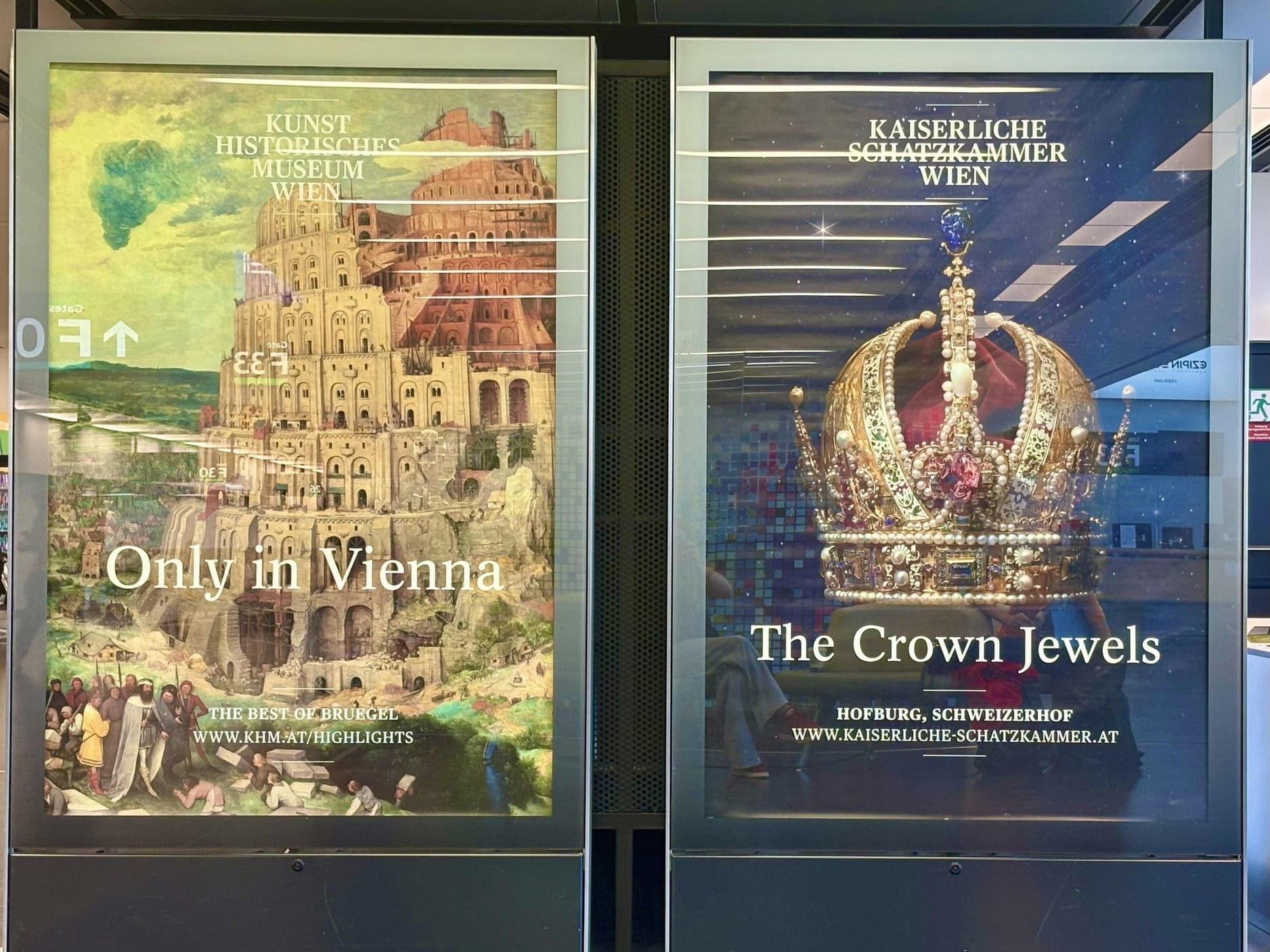
And now Ringstraße. Ringstraße is the great backbone of imperial Vienna—a circular boulevard of perfect elegance, built in the 19th century on the site of the old city walls. Here, side by side, stand all the symbols of Habsburg grandeur: monumental buildings, neoclassical architecture, carefully designed parks, and an atmosphere that reminds you at every step that Vienna was the center of a vast empire. Along the Ringstraße are some of Vienna’s most impressive buildings: Hofburg, the imperial palace; Rathaus, the Gothic city hall; the Greek-style Parliament; Burgtheater, the temple of Viennese theater; Votivkirche, the shining Gothic church; the University of Vienna; and a bit further, the Stock Exchange and cultural complexes, all built as a visual declaration of power and refinement. At the heart of this boulevard is Maria-Theresien-Platz, a perfectly symmetrical imperial square, flanked by two sister museums: Kunsthistorisches Museum and Naturhistorisches Museum. In the center rises the imposing statue of Empress Maria Theresa, mother of Austria, surrounded by historical figures and sculptural details: Religion, Peace, Justice, Power. Everything feels like an open-air monumental scene. Ringstraße is not just a boulevard: it’s a lesson in architecture, culture, and power, an open-air museum showing why Vienna is considered one of the world’s most beautiful cities.
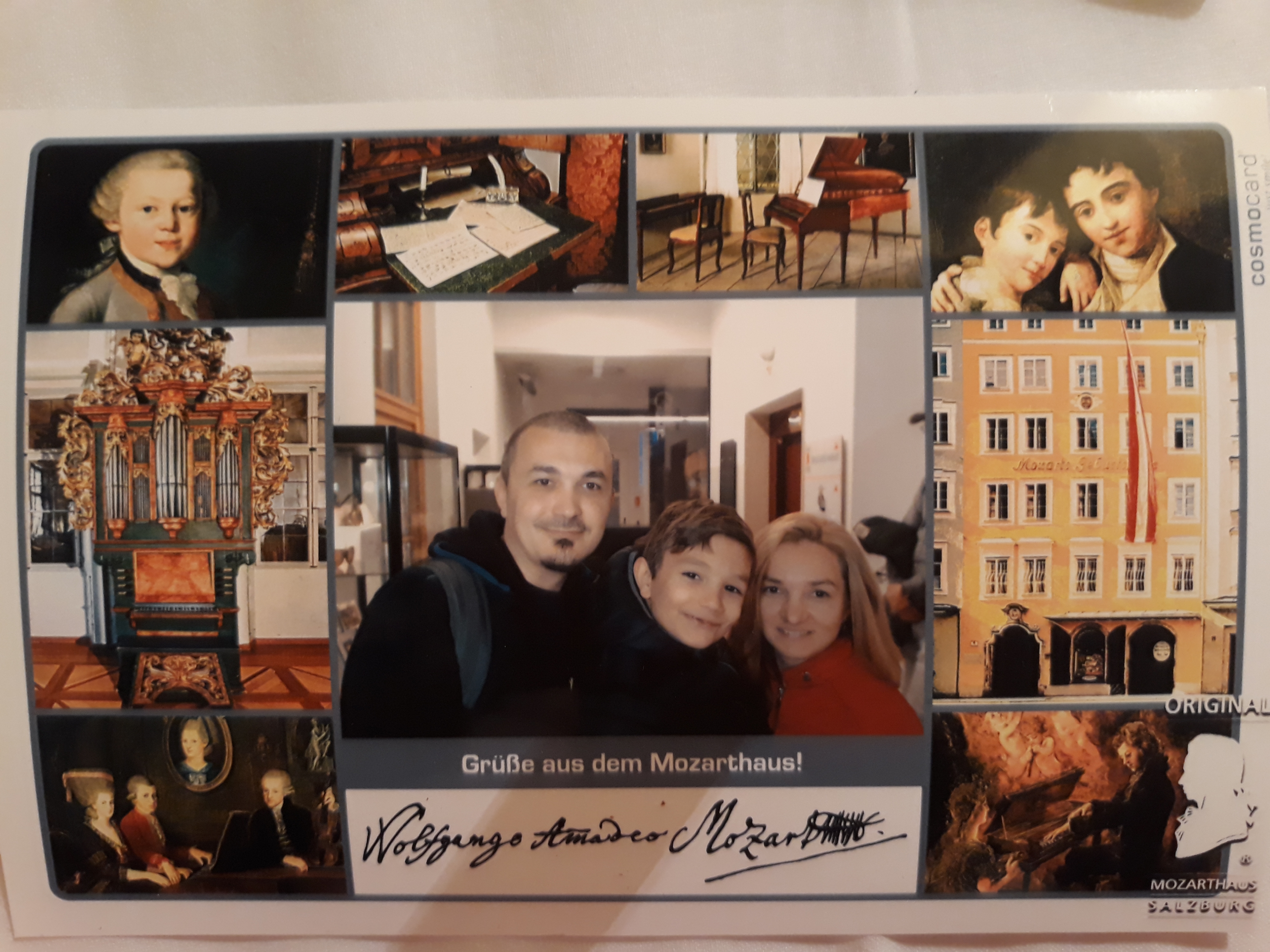
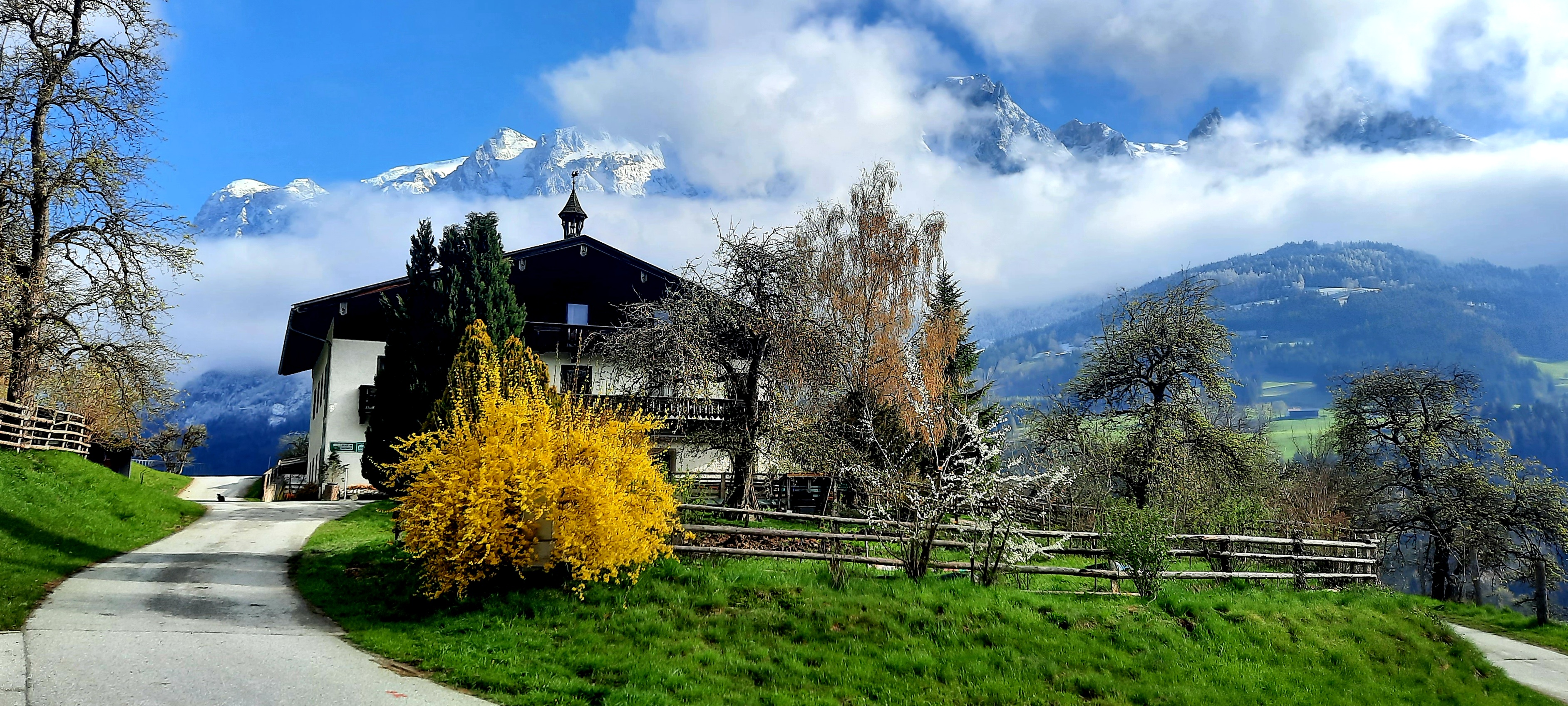
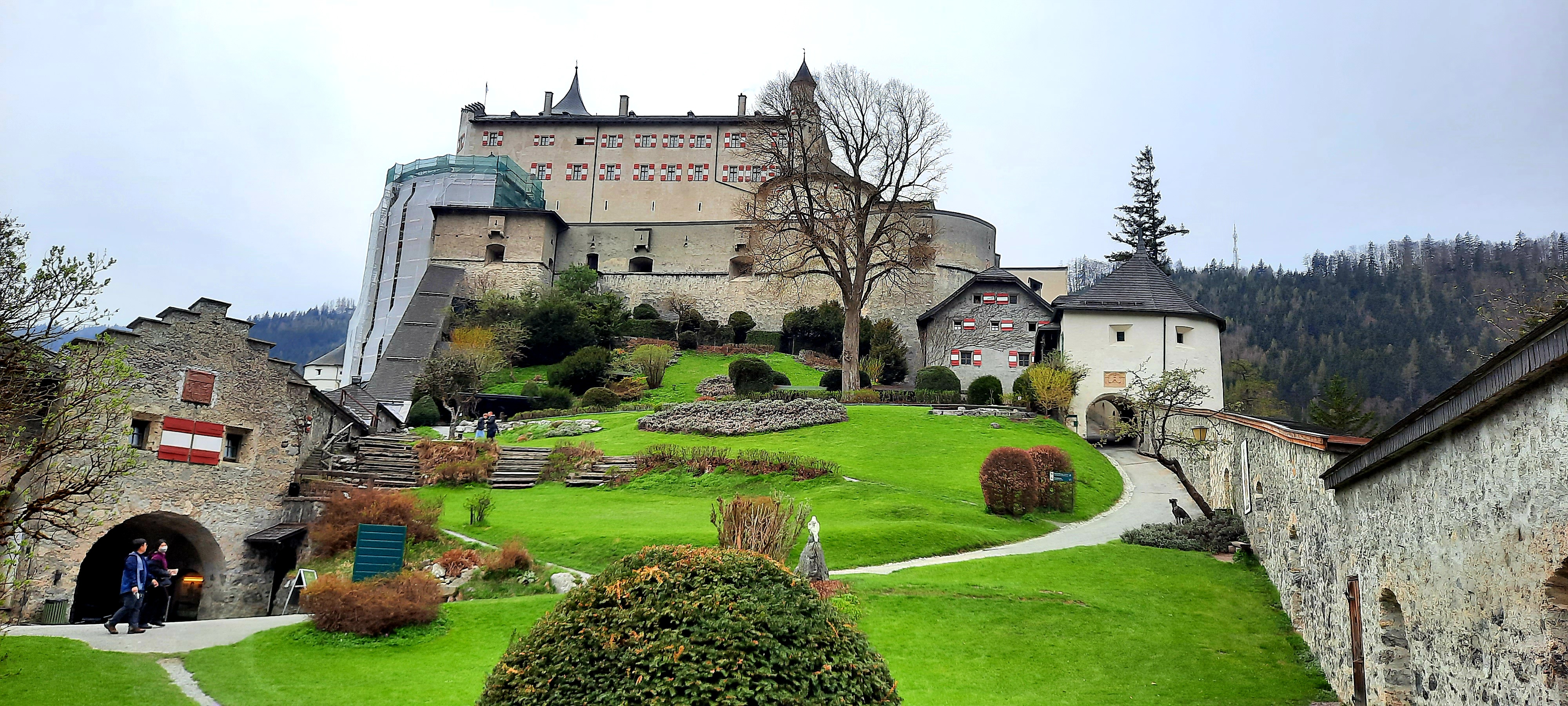
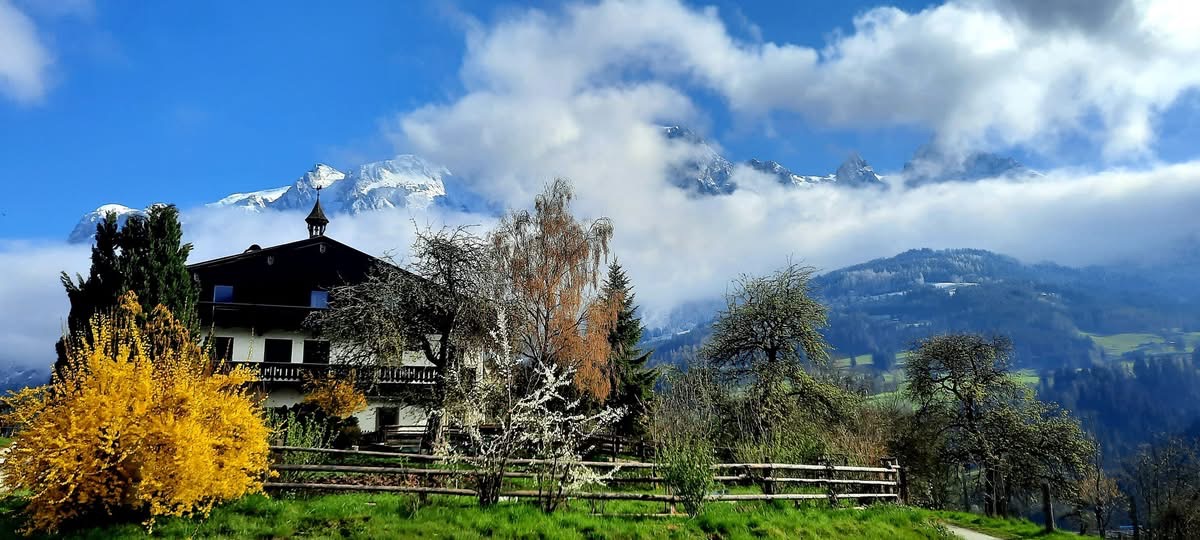
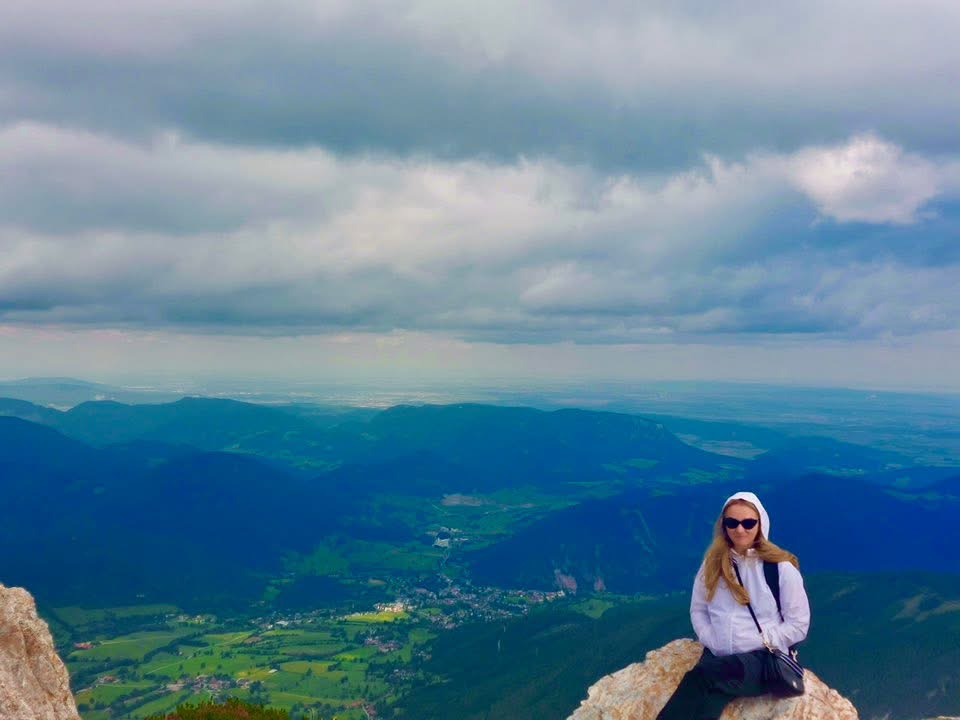
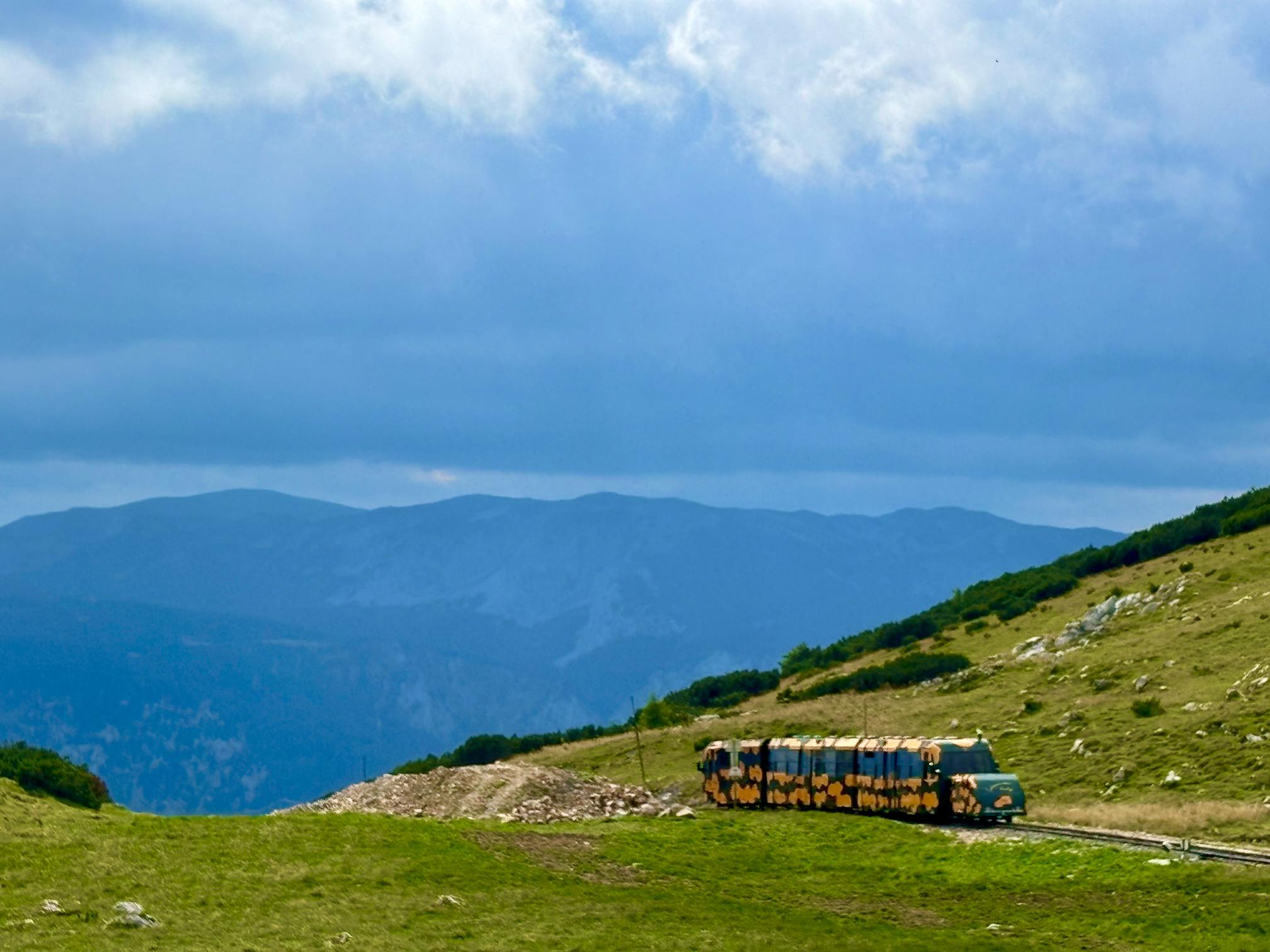
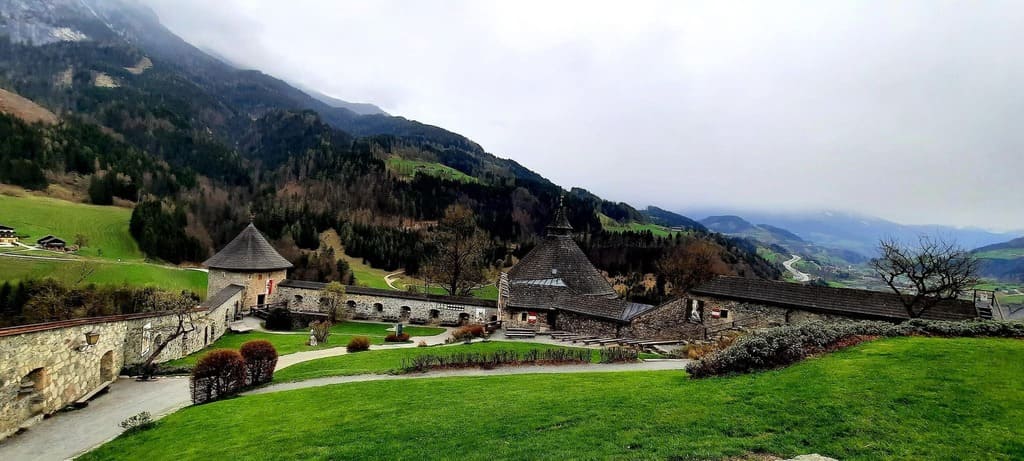
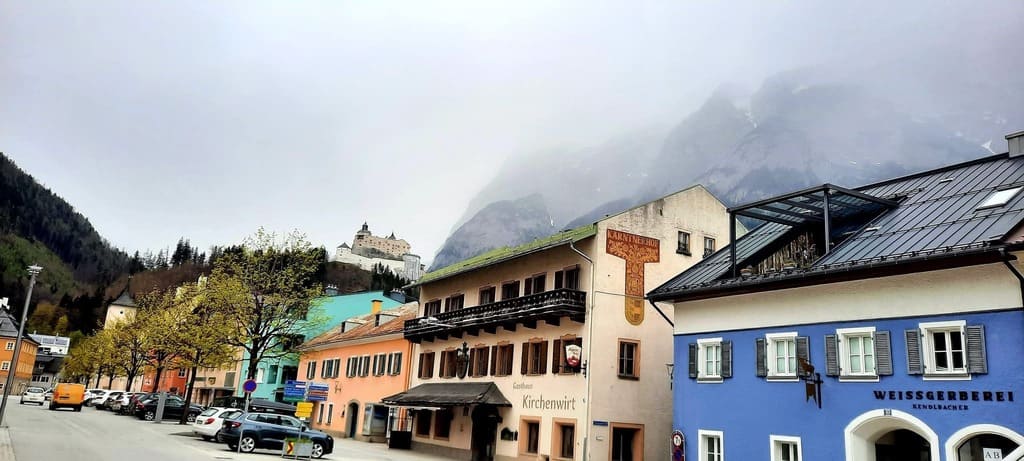
And as if this demonstration of what cities can be wasn’t enough, Austria also captivates with its stunning landscapes. Nature here seems straight out of a fairy tale. Salzburg, Mozart’s city and the filming location of “The Sound of Music,” transports you directly into a movie setting. The Alps guard the region with perfectly groomed ski slopes in winter, and the mountain villages and towns seem plucked from stories: the house façades gleam as if freshly painted, streets are cleaned every morning, small shops are colorful and decorated with calligraphy like in the Grimm Brothers’ writings (also German!). Traditional restaurants cook for the whole community, and people come daily to enjoy company and food. Voices are kept soft on the streets so as not to disturb the quiet of nature and the authentic local music. Every mountaineer has their house placed as high as possible on the mountain, hard to reach in winter, but with a breathtaking view. Absolutely fairy-tale-like.
Austria combines the imperial elegance of Vienna and the Habsburg palaces with the natural charm of the Alps and landscapes, offering perfect harmony between culture, history, tradition, and nature, between village and city, between civilization and tradition.
Austria is for me civilization personified, stimulating my mind and awakening my soul, complemented by fairy-tale landscapes that strengthen the body and rest the heart, all under the banner of magnificent and perfectly combined education, history, refinement, culture, and tradition—a perfection toward which every mortal aspires.